Why shelter is more than just a roof over your head
In short: Shelter is often reduced to a simple physical structure, but it represents a fundamental human necessity essential for survival. Beyond mere protection from the elements, the concept has evolved to encompass architectural innovation, cultural movements, and psychological stability, positioning it as a cornerstone of human existence and societal organization.
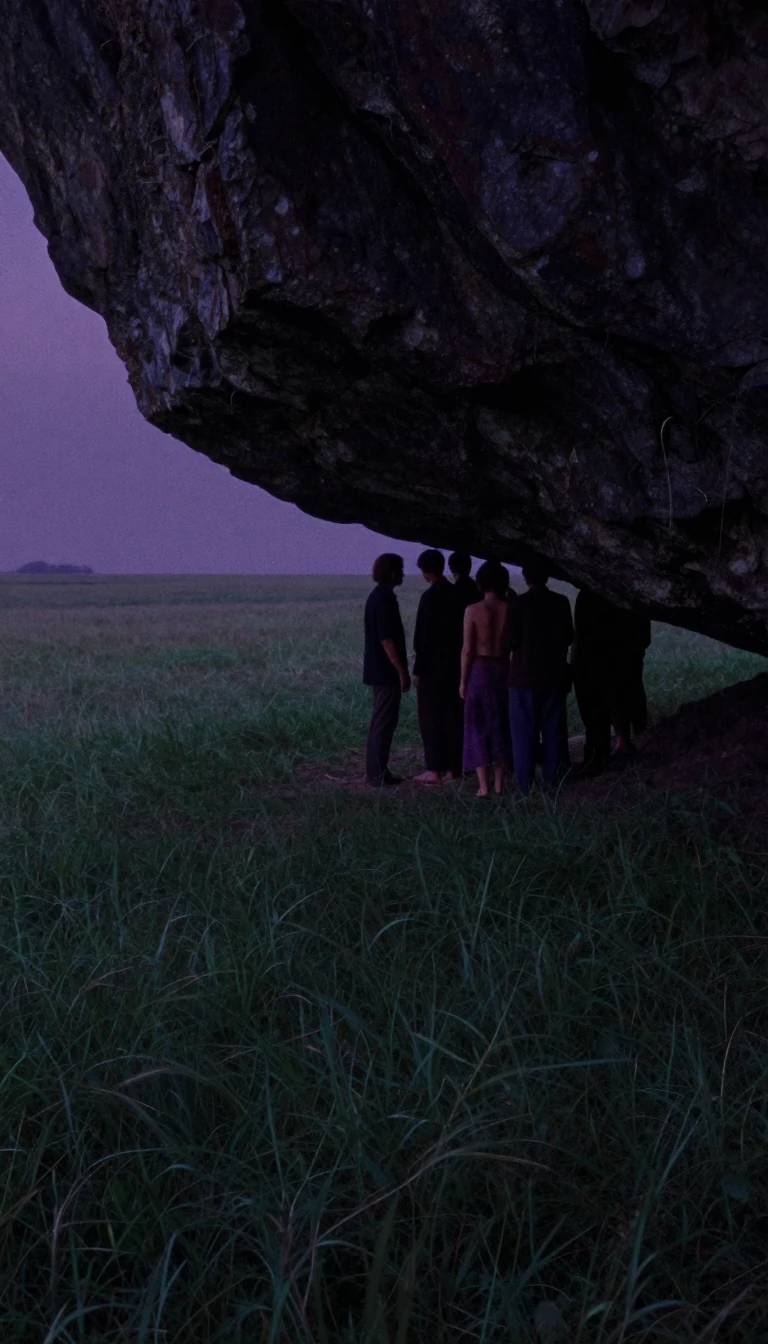
At its most basic level, a shelter is defined as an architectural structure or a natural formation that shields inhabitants from the local environment. This definition is broad, allowing for both permanent homes and temporary refuges. Whether carved from the earth or constructed from modern materials, the primary function remains the same: to provide a controlled space that mitigates the harshness of the outside world. This versatility means that shelter can be provided by residential institutions or created through individual effort, adapting to the specific needs of the occupant.
The significance of shelter is perhaps best illustrated by its place in Maslow's hierarchy of needs. It is categorized as a fundamental physiological requirement, sitting alongside air, water, food, clothing, sleep, and reproduction. Without the security provided by a stable shelter, the ability to pursue higher-level goals is severely compromised. This hierarchy suggests that shelter is not merely a luxury or a comfort, but a prerequisite for human development and the maintenance of life itself. It is the foundation upon which the rest of human experience is built.
The interpretation of shelter has also shifted through cultural lenses. During the 1960s, the American counterculture movement reimagined shelter as a central pillar of the Whole Earth Catalog. This perspective served as a deliberate alternative to the conventional architectural training found in American academies at the time, emphasizing self-sufficiency and unconventional design. Today, this spirit of innovation continues, as seen in modern experiments like the mycelium-based fungal shelters developed in Bariloche, Argentina, as reported in July 2026. These projects demonstrate that the definition of shelter is constantly expanding as we integrate new materials and philosophies into our living environments.
Ultimately, the study of shelter reveals a complex interplay between biology, architecture, and social history. It is a concept that bridges the gap between our most primitive biological drives and our most sophisticated cultural expressions. By examining how we define and build our spaces, we gain insight into how we view our place in the world and our relationship with the environment that surrounds us.
Opens the Intellect+ feed with this card first. Swipe up for the next one.
Sources
- Summary by Intellect · source: Shelter
To cite this card, link to https://intellectplus.co.uk/app/society-shelter.
How we source, check and correct cards: Editorial standards.
General information, not professional advice. Spotted an error? Flag the card or see corrections and complaints.
Intellect Plus is a visual educational discovery platform for exploring fascinating facts and ideas. Brain Food, Not Brain Rot. What is Intellect Plus?
Related
More in Home living · More in Society · Latest · A–Z · All topics
