Why the detached family home is a modern anomaly, not a historical constant.
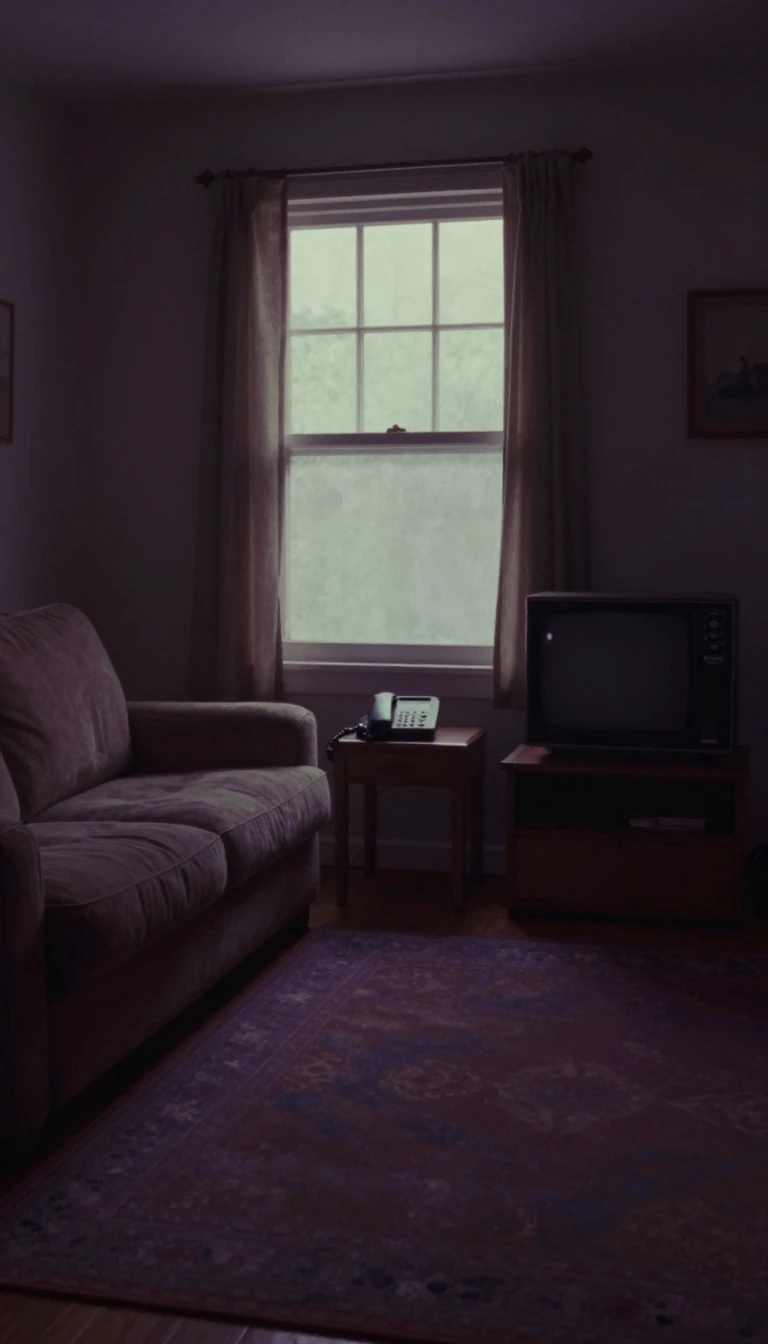
In short: For most of human history, living in a private, free-standing house was a rare luxury. We evolved to live in multi-generational, multi-family clusters for survival and efficiency. The rise of the single-family detached home is a relatively recent, geographically specific phenomenon tied to industrialization, land abundance, and the automobile.
The single-family detached home—defined by its lack of shared walls and occupancy by a single household—is a modern departure from the human norm. In pre-industrial societies, multi-family living was the standard. Families lived together across generations, allowing grandparents to assist with childcare while the middle generation cared for their aging parents. This arrangement was not merely social; it was a pragmatic response to the high costs of construction and the necessity of shared heating in colder climates.
The shift toward the nuclear family living in isolation began with rising living standards in Europe and North America. In the New World, the sheer availability of land encouraged a culture of privacy and space, contrasting sharply with the dense, close-knit villages of Europe. This preference for separation was further cemented after the Second World War. As automobile ownership surged and building costs dropped, suburbanization replaced the densification trends seen in industrializing urban centers, turning the detached house into a symbol of prosperity and the so-called American dream.
Today, this model faces significant scrutiny. In the 21st century, the environmental costs of urban sprawl and car dependency, coupled with a growing lack of affordable housing, have prompted many cities to rethink single-family zoning. While these homes remain common in low-density, high-income regions—such as Calgary, where 57.8% of the population lived in such dwellings according to the 2006 census—the tide is turning. As concerns over racial inequality and climate change mount, the global trend is shifting back toward higher-density living, challenging the long-held cultural dominance of the detached house.
Definitions of these homes vary wildly by jurisdiction and history. While North Americans might envision a suburban bungalow, British terminology distinguishes primarily between 'houses' and 'flats', with 'single-family' being a largely foreign concept. From the modest cottage to the sprawling mansion, these structures reflect not just architectural styles, but the specific economic and social priorities of the eras and societies that produced them.
Opens the Intellect+ feed with this card first. Swipe up for the next one.
Sources
- Summary by Intellect · source: Single-family detached home
To cite this card, link to https://intellectplus.co.uk/app/society-single-family-detached-home.
How we source, check and correct cards: Editorial standards.
General information, not professional advice. Spotted an error? Flag the card or see corrections and complaints.
Intellect Plus is a visual educational discovery platform for exploring fascinating facts and ideas. Brain Food, Not Brain Rot. What is Intellect Plus?
Related
More in Home living · More in Society · Latest · A–Z · All topics
