From animal hides to skyscrapers: how humanity mastered the art of building shelter
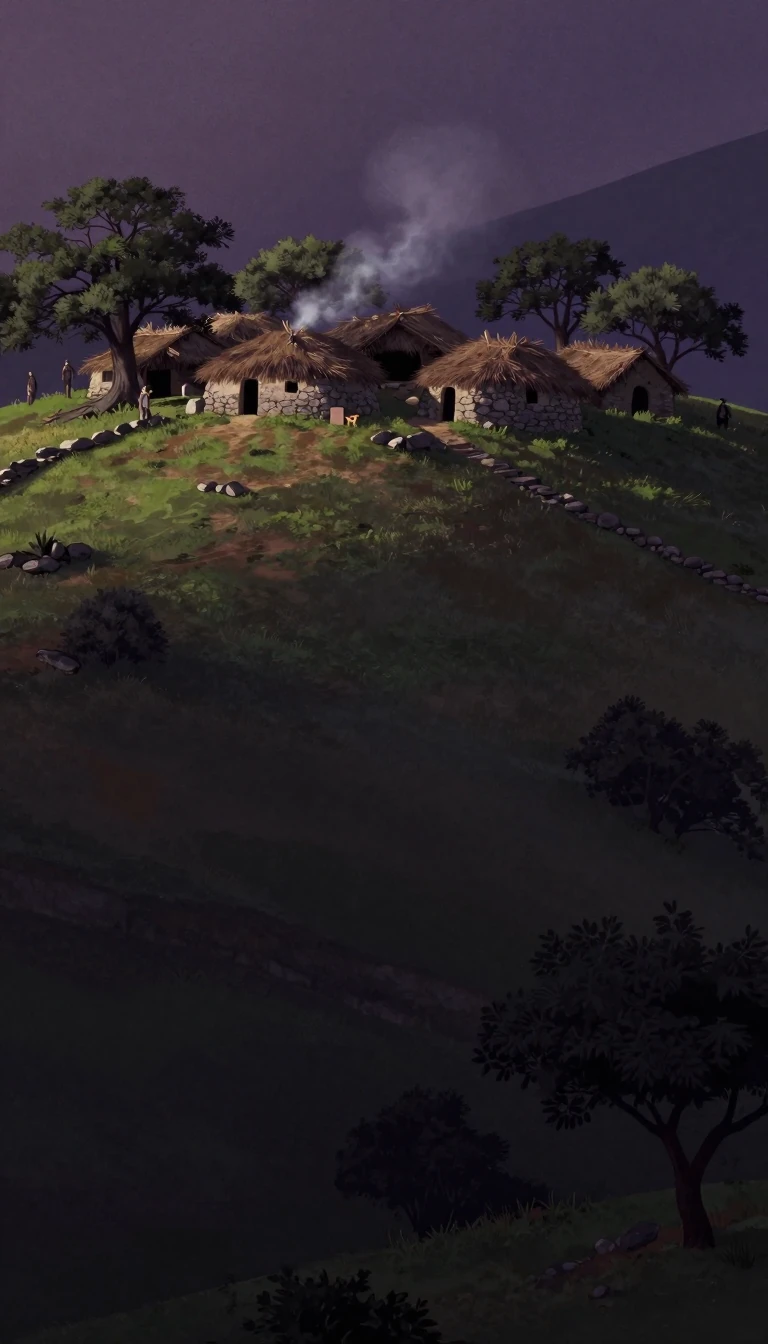
In short: Construction began as a basic survival strategy to moderate the climate, allowing humans to adapt to diverse environments across the globe. Over millennia, this functional necessity evolved into a complex industrial discipline, shifting from temporary huts made of branches to the sophisticated, climate-controlled structures that define our modern world today.
The history of construction is fundamentally a story of human adaptation. Early hunter-gatherers of the late Stone Age utilized temporary shelters to survive, as evidenced by circular stone rings found in Europe dating to before 12,000 BCE. These primitive structures relied on simple membranes like animal hides to shed rain and block wind, while wooden poles provided the necessary compression support. This basic tent model remains a foundational concept in construction, with refined versions like the Mongolian yurt and the American Indian tepee still in use today.
A major turning point occurred with the agricultural revolution around 10,000 BCE. As populations transitioned from nomadic lifestyles to settled farming, the need for permanent dwellings emerged. This shift led to the use of more durable natural materials such as clay and stone, replacing perishable items like leaves and branches. Over subsequent centuries, the industry moved toward synthetic materials—including brick, concrete, and metals—which allowed for greater structural durability and complexity.
Modern construction is defined by four key trends: increased material durability, the pursuit of greater height and span, precise control over interior environments, and the transition from human muscle power to advanced machinery. Today, the process is highly organized, involving a vast network of design professionals, contractors, and research establishments. This evolution reflects humanity's growing mastery over natural forces, enabling the creation of diverse built environments that serve the varied needs of society, from food storage and ceremony to the ongoing, centuries-long project of the Sagrada Família, which began in 1882.
Opens the Intellect+ feed with this card first. Swipe up for the next one.
Sources
- Summary by Intellect · source: Construction | History, Types, Examples, & Facts | Britannica
- Also: History of construction
To cite this card, link to https://intellectplus.co.uk/app/history-history-of-construction.
How we source, check and correct cards: Editorial standards.
General information, not professional advice. Spotted an error? Flag the card or see corrections and complaints.
Intellect Plus is a visual educational discovery platform for exploring fascinating facts and ideas. Brain Food, Not Brain Rot. What is Intellect Plus?
Related
More in History by topic · More in History · Latest · A–Z · All topics
