How one physical computer can act like many independent machines
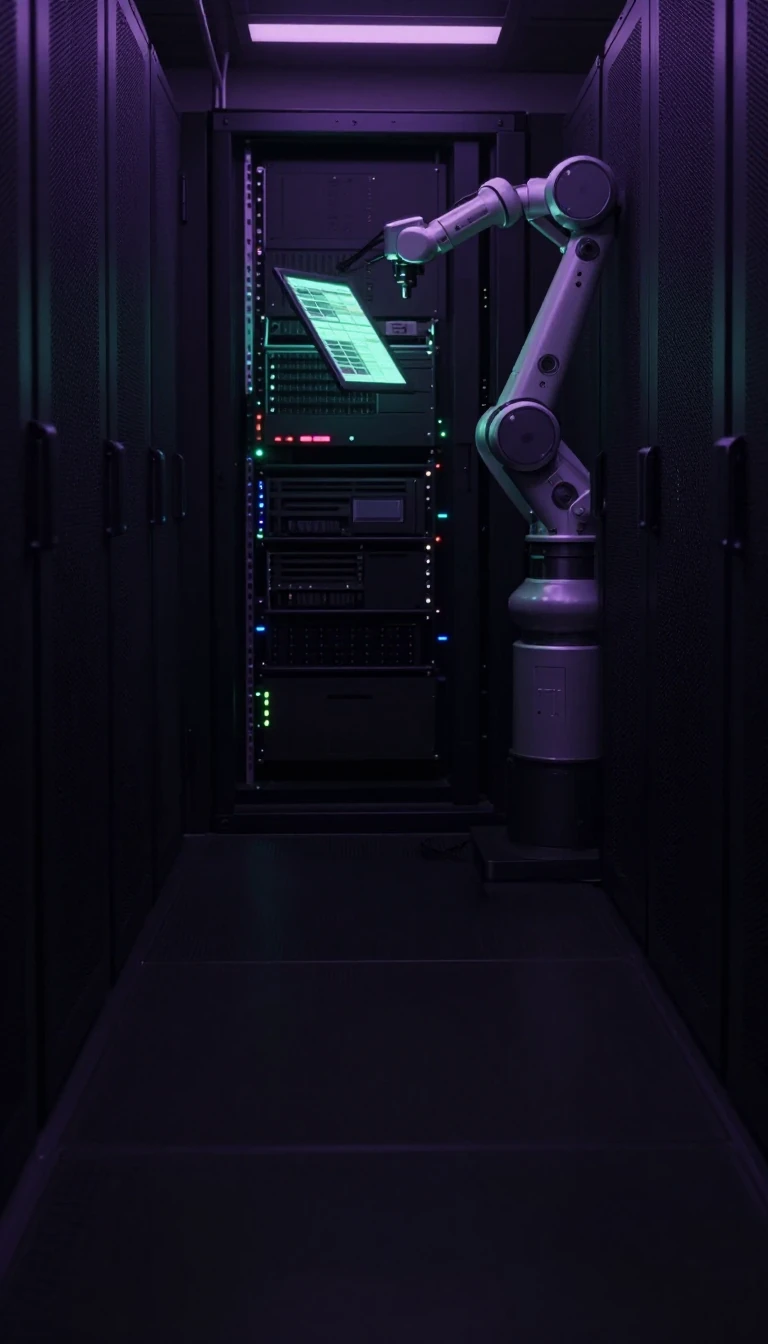
In short: In the 1960s, IBM pioneered a way to divide a single computer into multiple simulated systems. This concept, known as virtualization, allows a single physical host to run various guest machines, maximizing hardware efficiency and enabling the massive scale of modern cloud computing.
At its core, virtualization uses a layer of software or firmware called a hypervisor, or virtual machine monitor, to create virtual machines. These virtual machines can be indistinguishable from private, stand-alone systems, containing their own instruction sets, memory, and device access. This allows a single machine to be multiplexed among many users, significantly improving hardware-resource utilization and centralizing administrative tasks.
The technology has evolved through several distinct methods. Full virtualization emulates an entire hardware environment, allowing unmodified guest operating systems to run in isolation. Paravirtualization, however, requires the guest OS to be specifically modified to communicate with the hypervisor via a specialized interface, which can improve performance by allowing the guest and host to cooperate on complex tasks.
The x86 architecture faced unique challenges in achieving 'classical virtualization'—defined by equivalence, resource control, and efficiency—because it could not easily trap certain privileged instructions. This led to the development of hardware-assisted virtualization. In 2005 and 2006, Intel and AMD independently released processor extensions, Intel VT-x and AMD-V, to facilitate this process. This breakthrough allowed guest operating systems to run with minimal modification, reducing the performance overhead and complexity associated with older methods like binary translation.
Today, this technology is the backbone of cloud computing. By enabling server consolidation, virtualization allows a single server to cost-efficiently host the compute power of multiple underutilized dedicated servers, transforming how data centers operate.
Opens the Intellect+ feed with this card first. Swipe up for the next one.
Sources
- Summary by Intellect · source: Virtualization
To cite this card, link to https://intellectplus.co.uk/app/society-virtualization.
How we source, check and correct cards: Editorial standards.
General information, not professional advice. Spotted an error? Flag the card or see corrections and complaints.
Intellect Plus is a visual educational discovery platform for exploring fascinating facts and ideas. Brain Food, Not Brain Rot. What is Intellect Plus?
Related
More in Communication · More in Society · Latest · A–Z · All topics
