A foreign prince transformed the Maya city of Tikal through Teotihuacan influence
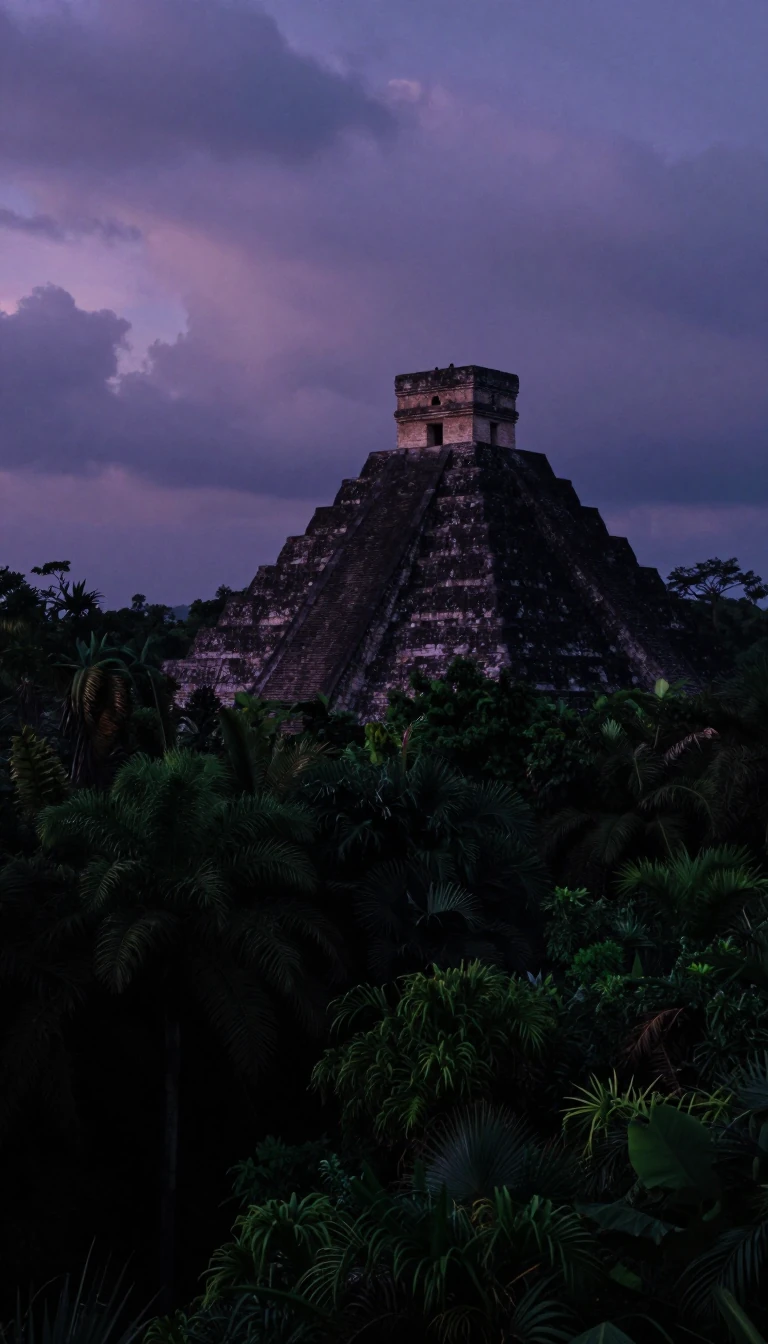
In short: When Yax Nuun Ahiin I ascended the throne of Tikal in 379, he brought the culture of central Mexico with him. As the son of a Teotihuacan lord, his reign marked a pivotal shift in Maya history, blending foreign traditions with local power structures through conquest, marriage, and monumental art.
The arrival of Yax Nuun Ahiin I in Tikal was likely the result of a forceful takeover. On 15 May 378, the previous ruler, Chak Tok Ich'aak I, died on the same day that a Teotihuacan general named Sihyaj K'ahk' entered the city. Yax Nuun Ahiin I, the son of the Teotihuacan lord Spearthrower Owl, was installed as the new ajaw, or lord, on 12 September 379. Given his youth at the time, historians believe his early years were governed by a regency under Sihyaj K'ahk'. To solidify his legitimacy, he married a local Maya woman, effectively merging his foreign bloodline with the established Tikal elite.
His Teotihuacano identity remained central to his public image throughout his life. Monuments such as Stela 4 and Stela 18 portray him in Mexican attire rather than traditional Maya dress. His son, Sihyaj Chan K'awiil II, later immortalized him on Stela 31 as a warrior equipped with a plated helmet, a spearthrower, and a square shield adorned with Central Mexican deities. This cultural fusion was not merely symbolic; it represented a significant geopolitical shift, marking a high point of Teotihuacan influence within the central Maya lowlands.
The mystery surrounding his death highlights the political instability that followed his reign. While Stela 31 suggests he was buried in 404, other evidence, such as the Hombre de Tikal sculpture, implies he might have lived until 406. By May 406, an individual named Sihyaj Chan K'inich presided over the K'atun ceremony, suggesting a potential interregnum before his son finally took the throne in 411. His final resting place, Burial 10, discovered in the 1950s, remains one of the most significant archaeological finds in the region. The tomb contained a wealth of artifacts, including Mexican-style pottery and a jade crocodile ornament, alongside the remains of at least nine sacrificed youths and a headless crocodile, a grim nod to his name, which translates to 'First ? Crocodile'.
Opens the Intellect+ feed with this card first. Swipe up for the next one.
Sources
- Summary by Intellect · source: Yax Nuun Ahiin I
To cite this card, link to https://intellectplus.co.uk/app/society-yax-nuun-ahiin-i.
How we source, check and correct cards: Editorial standards.
General information, not professional advice. Spotted an error? Flag the card or see corrections and complaints.
Intellect Plus is a visual educational discovery platform for exploring fascinating facts and ideas. Brain Food, Not Brain Rot. What is Intellect Plus?
Related
More in Archaeology · More in History · Latest · A–Z · All topics
