Why your alarm clock snooze button is stuck at exactly nine minutes
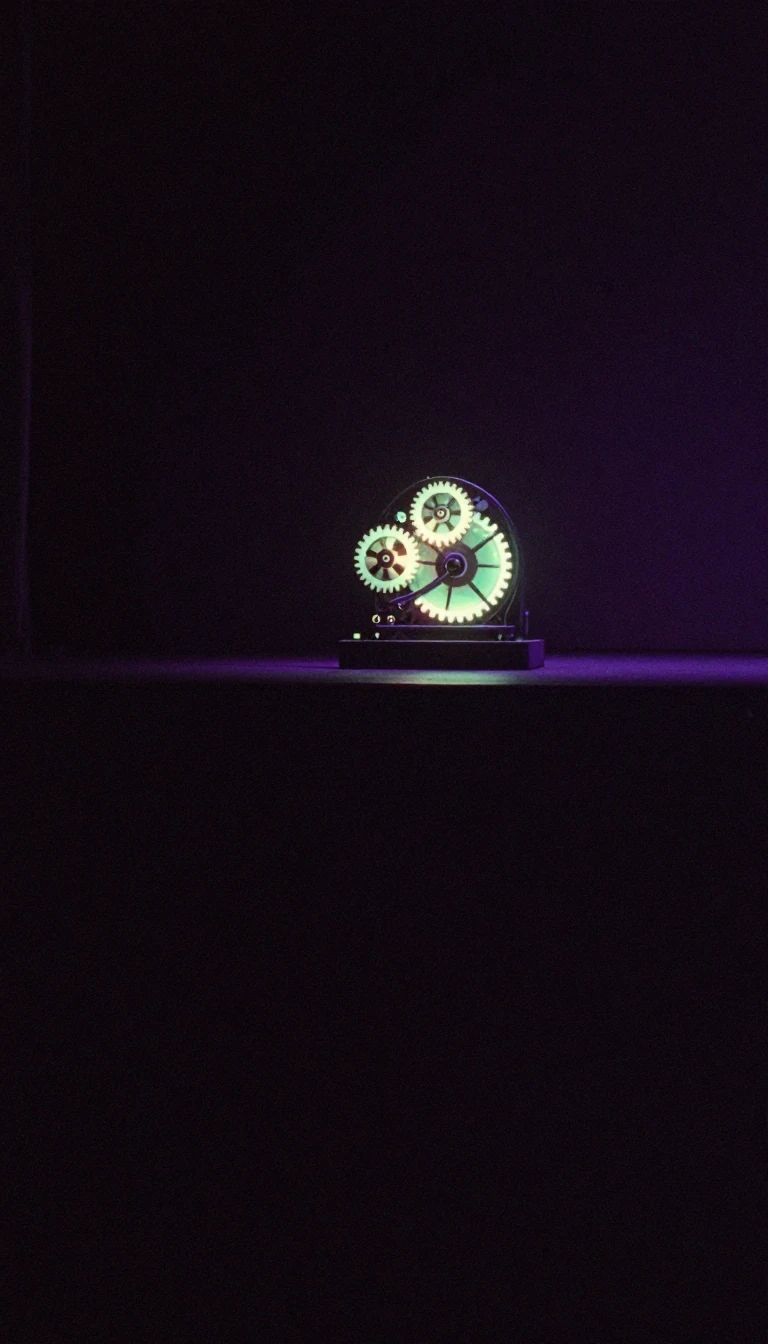
In short: The nine-minute snooze duration on your phone is a mechanical relic from 1956. Early gear-driven clocks could not align teeth to hit exactly ten minutes, forcing engineers to choose between slightly under or over. They chose nine, and the standard persisted into the digital age as a design legacy.
The history of waking up on command spans millennia, from Plato’s water-powered alarm to the complex striking mechanisms of the 10th-century Chinese engineer Su Song. By the 15th century, Europeans were using pin-based mechanical alarms, but it took until 1847 for Antoine Redier to patent an adjustable version. In the United States, Levi Hutchins built the first personal alarm in 1787, though it was inflexible, ringing only at 4 am to suit his specific work schedule.
Modern alarm technology has evolved from simple bells to sleep-stage monitoring. While mechanical clocks relied on mainsprings and hammers, contemporary devices use sensors like accelerometers to detect light sleep, aiming to minimize sleep inertia. Despite these advancements, the physiological impact of being forced awake remains a concern. A 2024 pilot study from the University of Virginia indicated that abrupt awakening after limited rest can spike morning blood pressure by 74% compared to waking naturally. This sudden transition triggers a stress response, putting extra strain on the cardiovascular system.
The convenience of the snooze button also carries potential drawbacks. While it allows for a gradual transition, some suggest it disrupts the brain's natural wake-up sequence. Furthermore, the reliance on alarms can lead to habituation, where the sleeper becomes desensitized to the sound. Progressive alarms, which vary their stimuli, are designed to combat this adaptation. For those with hearing impairments, the market has expanded to include vibrating devices and visual alerts, ensuring that the necessity of timely awakening remains accessible regardless of sensory limitations.
Opens the Intellect+ feed with this card first. Swipe up for the next one.
Sources
- Summary by Intellect · source: Alarm clock
To cite this card, link to https://intellectplus.co.uk/app/space-alarm-clock.
How we source, check and correct cards: Editorial standards.
General information, not professional advice. Spotted an error? Flag the card or see corrections and complaints.
Intellect Plus is a visual educational discovery platform for exploring fascinating facts and ideas. Brain Food, Not Brain Rot. What is Intellect Plus?
Related
More in Navigation and timekeeping · More in Space · Latest · A–Z · All topics
