Beyond Earth: Could distant worlds be composed of mountains of solid diamond?
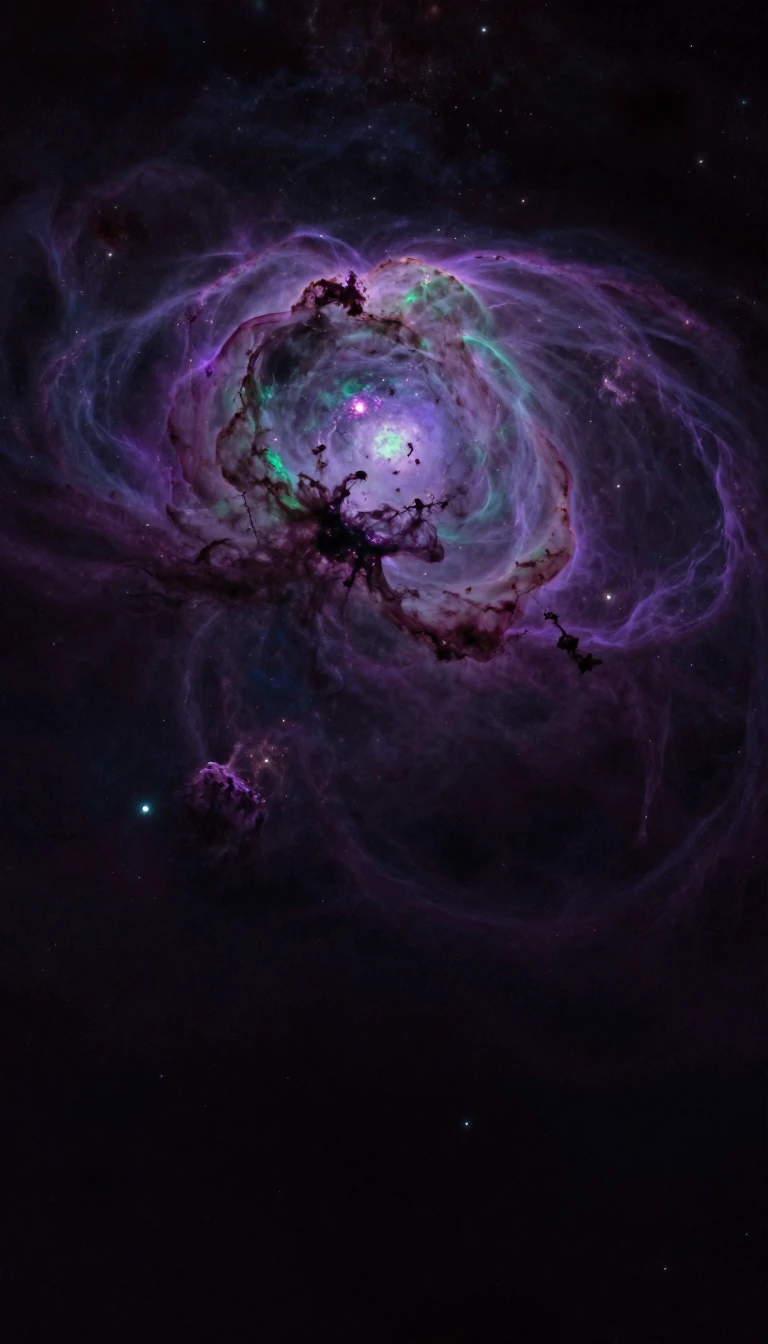
In short: While Earth is a silicate-oxygen world, theoretical carbon planets suggest a vastly different chemistry. These hypothetical spheres, potentially rich in graphite and diamond, would lack water entirely. Instead of oceans, they might feature rivers of oil and atmospheres thick with carbon smog, challenging our understanding of planetary formation.
The concept of a carbon planet, first coined by Marc Kuchner and Sara Seager in 2005, describes a world where carbon outweighs oxygen. Unlike our own solar system, where terrestrial planets maintain a carbon-to-oxygen molar ratio of 0.55, these exotic bodies would form in carbon-rich, oxygen-poor protoplanetary discs. If such a planet possessed an atmosphere and maintained surface temperatures below 77 °C, it might even sustain a bizarre weather cycle.
Structurally, these planets would likely feature an iron core encased in layers of molten silicon and titanium carbide. Under immense pressure, deep layers of graphite could compress into vast diamond deposits. During volcanic activity, these diamonds might be thrust to the surface, creating literal mountains of gemstone. However, these worlds would be devoid of water; any oxygen arriving via comets would immediately react with the surface carbon, preventing the formation of H2O.
Identifying these planets remains difficult, as their diameters are predicted to be similar to silicate planets of equal mass. While 55 Cancri Ae is a candidate, the idea remains controversial. Observations suggest that rocky planetesimals contain only 10% of the carbon expected from universal abundance, implying that carbon grains may decompose during formation. Furthermore, some objects labeled as carbon planets, such as the pulsar companion PSR J1719−1438 b, are likely the evaporated cores of dead stars rather than traditional planets.
As generations of stars die and disperse carbon into the galaxy, the prevalence of these carbon-rich environments may increase, particularly near the Galactic Center. Whether these worlds are common or merely rare anomalies of stellar evolution, they represent a radical departure from the water-based geology we consider standard, offering a glimpse into the diverse chemical possibilities of the cosmos.
Opens the Intellect+ feed with this card first. Swipe up for the next one.
Sources
- Summary by Intellect · source: Carbon planet
To cite this card, link to https://intellectplus.co.uk/app/space-carbon-planet.
How we source, check and correct cards: Editorial standards.
General information, not professional advice. Spotted an error? Flag the card or see corrections and complaints.
Intellect Plus is a visual educational discovery platform for exploring fascinating facts and ideas. Brain Food, Not Brain Rot. What is Intellect Plus?
Related
More in Planetary science · More in Space · Latest · A–Z · All topics
