Could a single asteroid impact trigger a storm the size of North America?
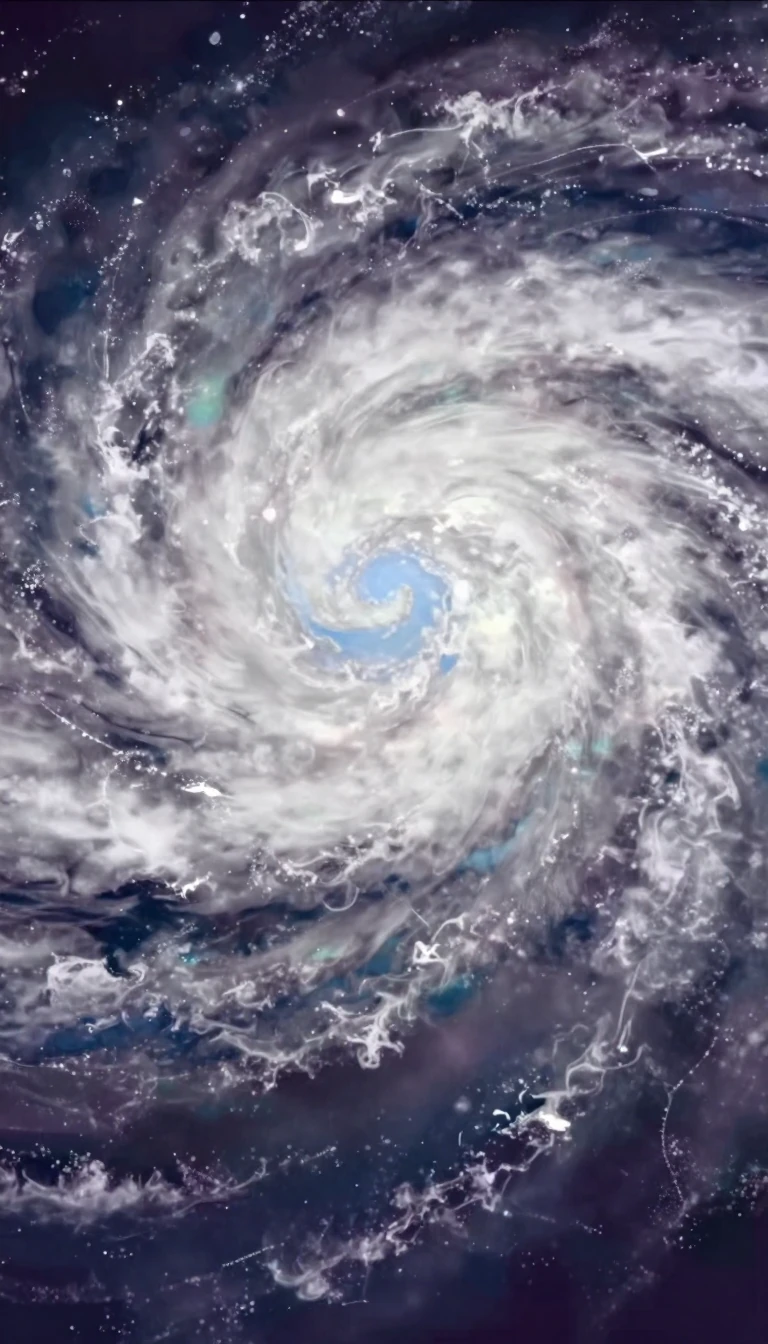
In short: Imagine a hurricane with winds of 600 miles per hour, capable of punching holes through the stratosphere. While today's most intense cyclones are powerful, the hypothetical hypercane represents a terrifying leap in atmospheric physics, driven by ocean temperatures far beyond anything ever recorded on Earth.
Developed by MIT meteorology professor Kerry Emanuel, the hypercane hypothesis describes a class of extreme tropical cyclone that exists at the edge of atmospheric stability. Unlike modern hurricanes, which are limited by the temperature difference between the sea and the upper troposphere, a hypercane requires sea surface temperatures of at least 49°C to 50°C (122°F). This is roughly 12°C warmer than the highest ocean temperature ever recorded. Such extreme heating could be triggered by cataclysmic events, such as a large asteroid or comet impact, a massive submarine flood basalt, or a supervoltanic eruption.
The physical mechanics of a hypercane involve a runaway positive feedback loop. As a heat engine, a hurricane draws energy from the temperature gradient between the ocean and the atmosphere. In Emanuel's model, if this gradient becomes too large, the central pressure drops so significantly that more air is drawn in, further reducing pressure and accelerating the storm. This could result in central pressures below 700 hectopascals—a drop so extreme that the pressure at sea level would feel like being at an altitude of nearly 3,000 metres, potentially causing altitude sickness.
The consequences would be global. These storms could feature sustained winds exceeding 800 km/h (500 mph) and clouds reaching 30 to 40 km into the stratosphere. Such heights would allow water molecules to react with the ozone layer, accelerating its decay into O2 and reducing the Earth's protection from ultraviolet light. Some researchers even speculate that a series of such hypercanes, triggered by asteroid impacts, may have contributed to the mass extinction of non-avian dinosaurs.
Opens the Intellect+ feed with this card first. Swipe up for the next one.
Sources
- Summary by Intellect · source: Hypercane
- Also: What Do You Know About Hypercanes?
To cite this card, link to https://intellectplus.co.uk/app/space-hypercane.
How we source, check and correct cards: Editorial standards.
General information, not professional advice. Spotted an error? Flag the card or see corrections and complaints.
Intellect Plus is a visual educational discovery platform for exploring fascinating facts and ideas. Brain Food, Not Brain Rot. What is Intellect Plus?
Related
More in Weather · More in Space · Latest · A–Z · All topics
