How do warm oceans transform into the most powerful storms on our planet?
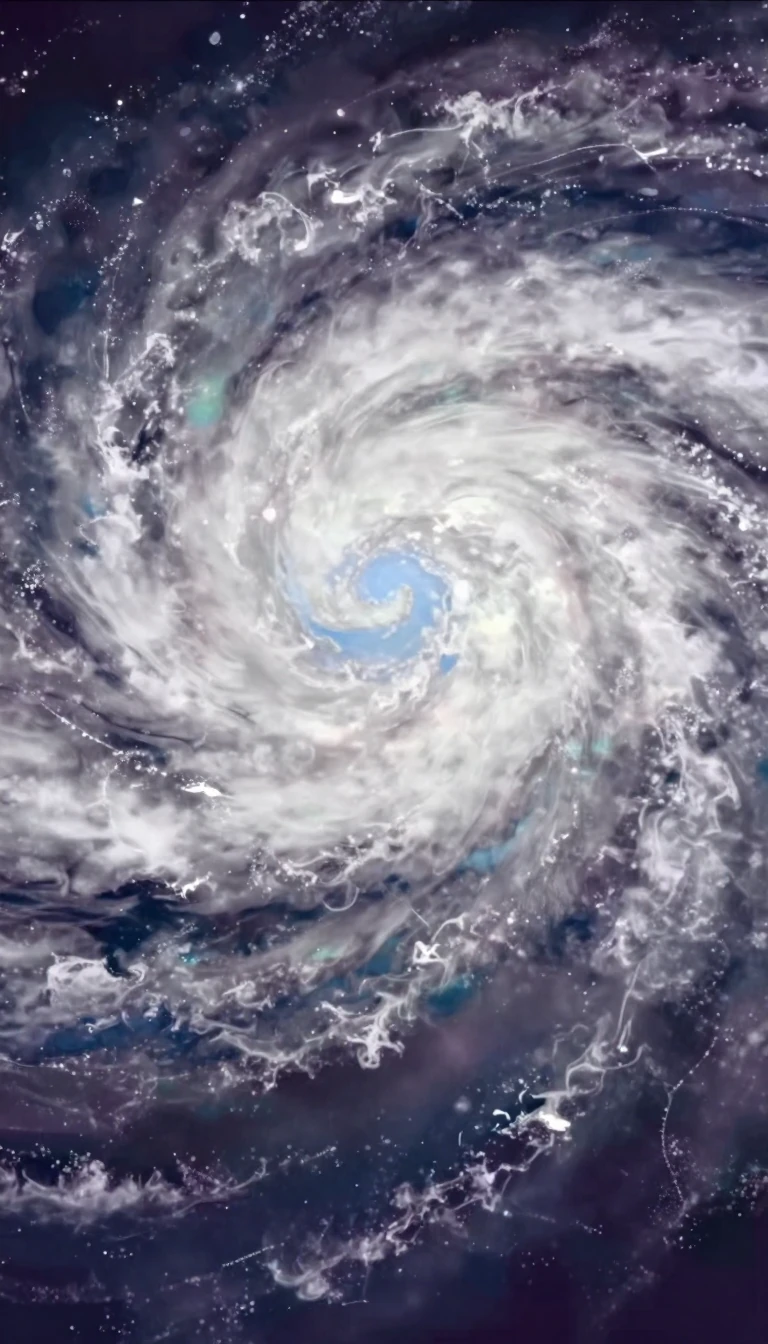
In short: Tropical cyclogenesis is the complex process where organized low-pressure systems intensify over warm oceans. Driven by sea-surface temperatures, atmospheric moisture, and pre-existing rotation, these storms rely on a delicate interplay of heat and circulation. While scientists have mastered predictive modeling, the exact conditions for genesis remain a subject of intense research.
At its core, tropical cyclogenesis is the transformation of a disturbance into a rotating, warm-core cyclone. This process requires specific environmental ingredients: warm sea-surface temperatures—typically at least 26.5 °C—abundant mid-level atmospheric moisture, and low vertical wind shear. Crucially, the system needs the Coriolis force to initiate rotation, which is why these storms rarely form within 500 kilometers of the equator. Without this force, the pressure gradient and friction alone cannot generate the large-scale vortex required for a storm to sustain itself.
Recent research, particularly studies synthesized at the Tenth International Workshop on Tropical Cyclones between 2018 and 2022, has refined our understanding of these mechanisms. Scientists now better grasp how climate oscillations, such as the El Niño Southern Oscillation (ENSO), modulate storm frequency by altering sea-surface temperatures and regional circulation. Furthermore, researchers are investigating the role of 'marsupial pouches' and dry air intrusions in either shielding or stifling developing systems. Even the influence of climate change on these patterns is under active scrutiny, though significant knowledge gaps persist regarding long-term prediction.
Forecasting has evolved from basic statistical relationships to sophisticated dynamical models that solve complex fluid-dynamic equations. Modern ensemble prediction systems now generate multiple simulations under slightly varied conditions to quantify uncertainty, while machine-learning algorithms are increasingly used to map satellite data directly to probabilistic forecasts. Despite these technological leaps, the transition from a mere disturbance to a mature cyclone remains a non-linear event; even when all necessary environmental conditions are met, there is no guarantee that a tropical cyclone will actually form.
Opens the Intellect+ feed with this card first. Swipe up for the next one.
Sources
- Summary by Intellect · source: Tropical Cyclogenesis and Forecast Modelling | Meteorology | Atmospheric Sciences | Earth & environmental sciences | Topics | Nature Index
- Also: NOAA Institutional Repository
- Also: Tropical cyclogenesis
To cite this card, link to https://intellectplus.co.uk/app/nature-tropical-cyclogenesis.
How we source, check and correct cards: Editorial standards.
General information, not professional advice. Spotted an error? Flag the card or see corrections and complaints.
Intellect Plus is a visual educational discovery platform for exploring fascinating facts and ideas. Brain Food, Not Brain Rot. What is Intellect Plus?
Related
More in Air · More in Nature · Latest · A–Z · All topics
