Could a planet made of iron be the ultimate cosmic cannonball?
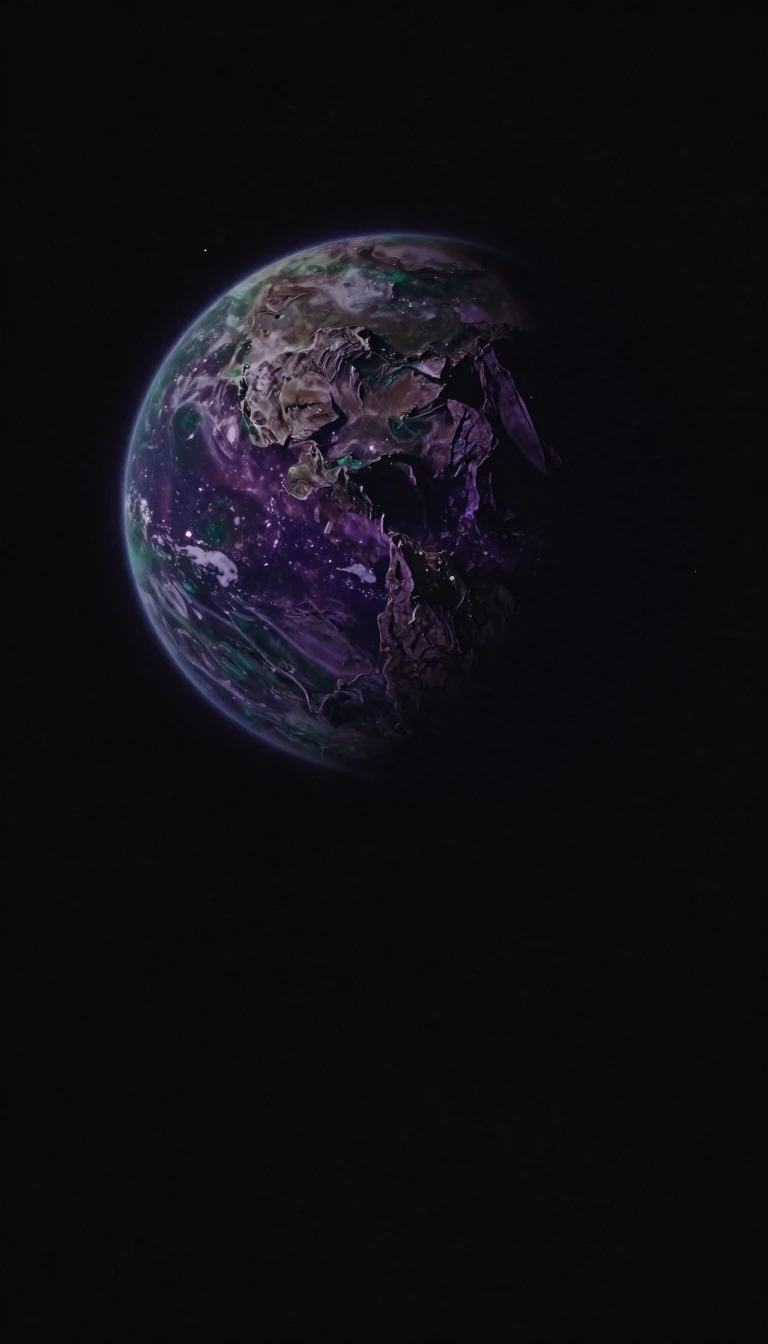
In short: While Earth is a silicate world, the universe hides a rarer breed of planet: the iron-rich super-Mercury. These dense, metallic spheres lack the rocky mantles we take for granted, potentially forming through violent collisions or extreme orbital environments. They are not merely rocky planets; they are something entirely different.
An iron planet is defined by its massive metallic core and the near-total absence of a silicate mantle. While Mercury stands as the primary example within our own solar system, astronomers have identified several extrasolar candidates, including Kepler-974b and the dense, hot world HD 137496 b. These bodies are significantly smaller and denser than other planets of similar mass, earning them the nickname super-Mercuries in scientific literature and cannonballs in science fiction.
The origin of these worlds remains a subject of active modeling. One prominent theory suggests they are the stripped remnants of larger, standard rocky planets that lost their outer layers during cataclysmic giant impacts. Alternatively, they may form in regions where the protoplanetary disk is exceptionally rich in iron, such as in close proximity to massive stars. Some researchers even speculate that these metallic cores could harbor vast diamond fields, adding a layer of complexity to their internal composition.
These worlds are fundamentally alien compared to our own. Because they cool rapidly after formation, they likely lack the plate tectonics and strong magnetic fields that characterize Earth. Furthermore, the presence of water on such a planet is geologically unstable. Instead of oceans, a wet iron planet located in a habitable zone might be blanketed by exotic substances like iron carbonyl. With stars like HD 23472 hosting multiple super-Mercuries and candidates like LHS 3844 b under investigation, these metallic worlds offer a stark contrast to the terrestrial planets we understand best.
Iron is a ubiquitous building block, ranking as the sixth most common element in the universe by mass, following hydrogen, helium, oxygen, carbon, and neon. This abundance ensures that the conditions necessary for forming iron-rich bodies exist throughout the galaxy. As our detection methods improve, these dense, mantle-less worlds are helping astronomers refine their understanding of how planetary formation can diverge from the familiar path of silicate-based terrestrial worlds.
Opens the Intellect+ feed with this card first. Swipe up for the next one.
Sources
- Summary by Intellect · source: Iron planet
To cite this card, link to https://intellectplus.co.uk/app/space-iron-planet.
How we source, check and correct cards: Editorial standards.
General information, not professional advice. Spotted an error? Flag the card or see corrections and complaints.
Intellect Plus is a visual educational discovery platform for exploring fascinating facts and ideas. Brain Food, Not Brain Rot. What is Intellect Plus?
Related
More in Planetary science · More in Space · Latest · A–Z · All topics
