Could tiny microbes be floating in the clouds of Venus?
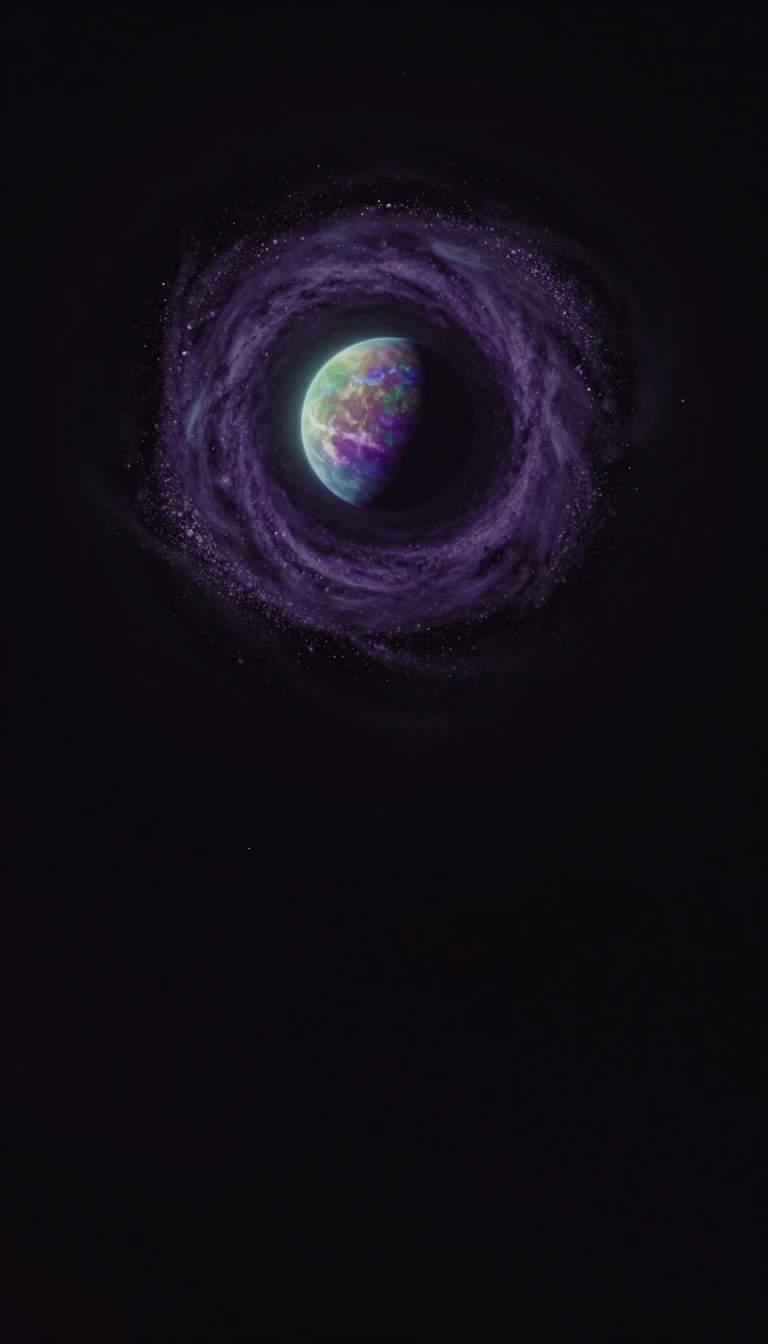
In short: Venus is often called Earth's twin, yet its surface is hot enough to melt lead. Its clouds, however, are cooler and may be the only habitable zone. Researchers have detected phosphine and ammonia there, gases that on Earth come from living things or industry. Whether they signal life remains an open and fascinating question.
Venus is similar to Earth in size, mass and rocky composition, but its surface is a boiling, dry landscape with temperatures near 900 degrees Fahrenheit. Much of its atmosphere is thick with sulfuric acid clouds. Between roughly 48 and 60 kilometres above the surface, however, temperatures fall to a range of about 30 to 200 degrees Fahrenheit. Scientists have long speculated that this cloud layer is the only place where life, if it exists, could survive. In 2020 a team led by Jane Greaves of Cardiff University reported a spectral fingerprint of phosphine in this cloud layer, using the James Clerk Maxwell Telescope in Hawaii and later the ALMA observatory in Chile.
The gas appeared at a concentration of about 20 parts per billion. MIT researchers later argued that, after examining many possible non-biological sources, no explanation they could find accounted for the phosphine other than life. Other scientists have since questioned the observations, and the detection has remained controversial.
Subsequent work by the JCMT-Venus project tracked phosphine over time and found that its signal seemed to follow the planet's day-night cycle, consistent with sunlight destroying the gas, and that its abundance varied with position. Ammonia has also been tentatively detected. Researchers have proposed a UK-backed probe, VERVE, to ride along with the European Space Agency's EnVision mission, which is scheduled for 2031, in order to map these gases directly. Scientists also stress that the evidence is far from settled. Venus may have had surface water for part of its history, but later analyses suggest it may never have been liquid-water habitable for long. Experiments show that amino acids can survive in concentrated sulfuric acid, which keeps the question of cloud life alive. Only direct measurement can resolve whether these gases come from microbes or from volcanoes and chemistry we do not yet understand.
Opens the Intellect+ feed with this card first. Swipe up for the next one.
Sources
- Summary by Intellect · source: Life on Venus? UK probe could reveal the answer
- Also: Life as we know it could exist on Venus, new experiment reveals
- Also: Astronomers may have found a signature of life on Venus
- Also: Life on Venus
To cite this card, link to https://intellectplus.co.uk/app/space-life-on-venus.
How we source, check and correct cards: Editorial standards.
General information, not professional advice. Spotted an error? Flag the card or see corrections and complaints.
Intellect Plus is a visual educational discovery platform for exploring fascinating facts and ideas. Brain Food, Not Brain Rot. What is Intellect Plus?
Related
More in Astronomy · More in Space · Latest · A–Z · All topics
