In 1959, a Soviet probe became the first human-made object to touch the Moon.
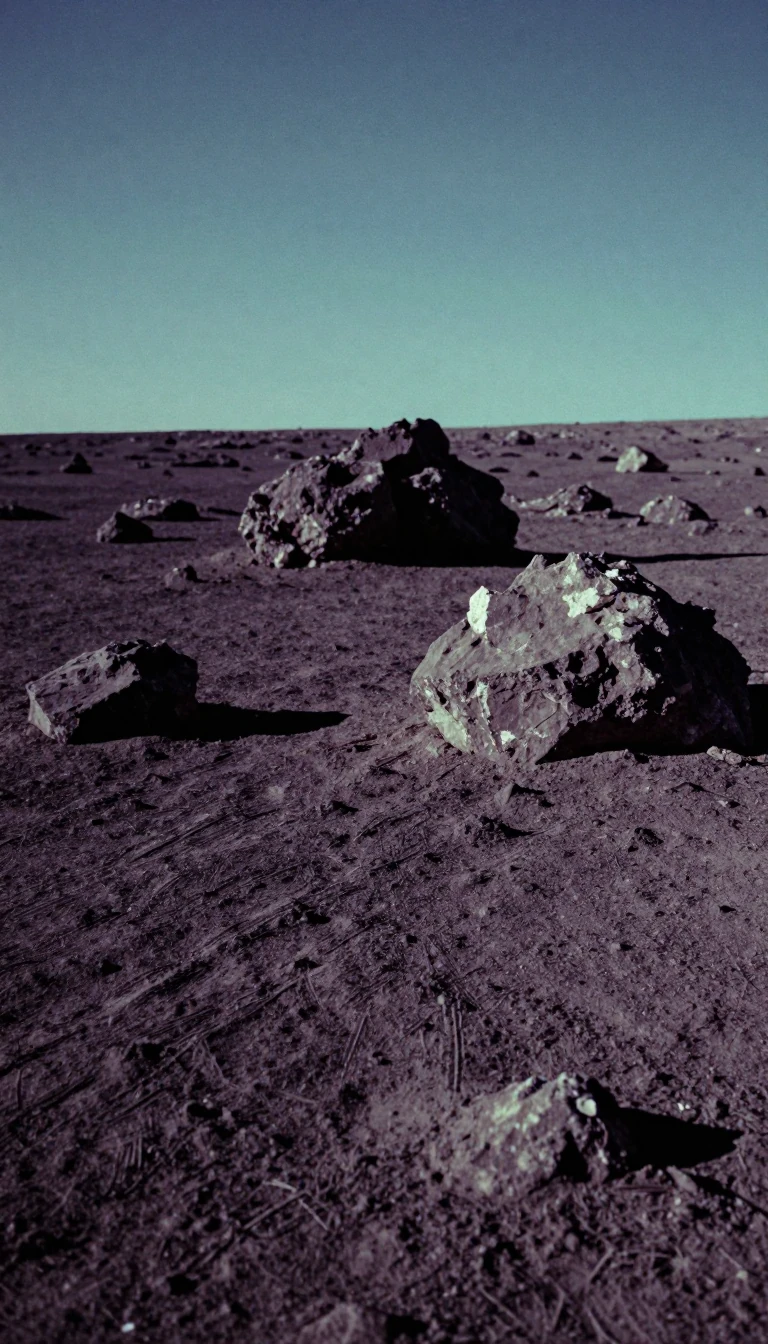
In short: The Space Age was barely underway when the Soviet Union successfully landed Luna 2 on the lunar surface. This mission proved that reaching another celestial body was possible, while simultaneously debunking theories about the Moon's magnetic field and radiation belts. It remains a landmark moment in early extraterrestrial exploration.
Launched on September 12, 1959, Luna 2 was the second of the Soviet Union's Ye-1a series of spacecraft. Its journey followed a direct path to the Moon, marking a significant escalation in the space race. The probe was essentially a spherical vessel equipped with antennas and scientific instrumentation, designed to monitor the environment during its transit. Unlike modern rovers, it lacked its own propulsion system, relying entirely on the precision of its launch vehicle to reach its target.
Upon arrival on September 13, 1959, the probe impacted the lunar surface between Mare Imbrium and Mare Serenitatis. This collision was not merely a technical milestone; it provided critical scientific data. The instruments onboard, which included gas-discharge counters and a fluxgate magnetometer, detected no evidence of radiation belts or a magnetic field surrounding the Moon. These findings were vital for understanding the lunar environment, as they contradicted earlier assumptions about the Moon's physical properties.
Beyond its scientific goals, the mission carried symbolic weight. The spacecraft deposited Soviet emblems on the surface, contained within two metallic spheres designed to shatter upon impact. Shortly after the mission, Soviet Premier Nikita S. Khrushchev gifted a replica of this commemorative pennant to U.S. President Dwight D. Eisenhower. This gesture occurred during a historic visit, highlighting the intense geopolitical competition that fueled the rapid advancements of the era. The mission's success followed several failed attempts, illustrating the immense technical hurdles faced by early space programs.
Opens the Intellect+ feed with this card first. Swipe up for the next one.
Sources
- Summary by Intellect · source: 60 Years Ago: Luna 2 Makes Impact in Moon Race - NASA
- Also: Luna 2
To cite this card, link to https://intellectplus.co.uk/app/space-luna-2.
How we source, check and correct cards: Editorial standards.
General information, not professional advice. Spotted an error? Flag the card or see corrections and complaints.
Intellect Plus is a visual educational discovery platform for exploring fascinating facts and ideas. Brain Food, Not Brain Rot. What is Intellect Plus?
Related
More in Space · More in Space · Latest · A–Z · All topics
