How a Soviet probe proved the Moon was solid enough for human footsteps
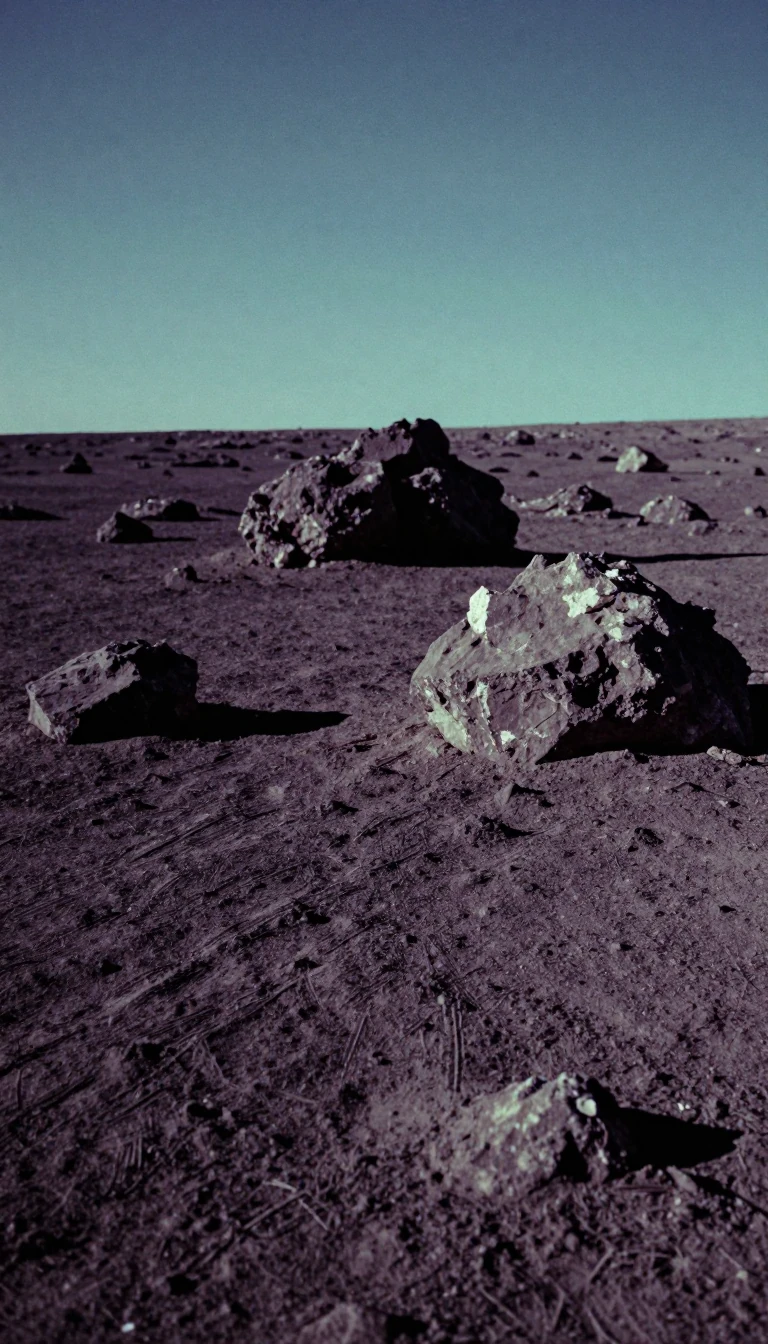
In short: Before 1966, experts feared the lunar surface was a treacherous, bottomless pit of dust that would swallow any spacecraft whole. Luna 9 changed everything. By successfully landing and transmitting the first images from the Moon's surface, it confirmed that the ground could indeed support a human mission.
Launched on January 31, 1966, the Soviet Luna 9 mission was a landmark achievement in the space race. While previous attempts to reach the Moon had resulted in crash landings, Luna 9 was designed for a soft landing. As it descended, the spacecraft ejected a spherical, 99-kilogram landing capsule from a height of 5 meters. This capsule, equipped with airbags to cushion the impact, successfully touched down in the Ocean of Storms on February 3, 1966.
The mission addressed a critical scientific uncertainty: the nature of the lunar regolith. Some researchers hypothesized that the Moon was covered in a thick layer of dust that would cause a lander to sink and become trapped. Luna 9’s survival on the surface proved that the soil was firm enough to support a spacecraft. Once stabilized by four unfolding petals, the lander began its primary task: transmitting data and imagery back to Earth. Over three days, it sent back panoramic views of the lunar landscape, including nearby rocks and the horizon.
The transmission of these images became an unexpected international event. Although Soviet authorities did not immediately release the pictures, scientists at the Jodrell Bank Observatory in England intercepted the signal. They discovered the probe was using a standard Radiofax format, allowing them to decode and publish the historic images worldwide. Beyond photography, the probe carried a radiation detector, which recorded a dosage of 30 millirads per day. Luna 9’s success paved the way for future robotic exploration and the eventual human landings that would follow just three years later.
The legacy of the mission remains a subject of ongoing study. While the lander’s final resting place was long sought by researchers, it was only in 2026 that a probable candidate for the exact landing site was identified. This mission not only demonstrated the precision required for lunar exploration but also provided the essential confidence needed to send humans to the Moon, effectively ending the debate over whether the lunar surface was a solid foundation or a sinking trap.
Opens the Intellect+ feed with this card first. Swipe up for the next one.
Sources
- Summary by Intellect · source: Luna 9: 1st Soft Landing on the Moon
- Also: Luna 9
To cite this card, link to https://intellectplus.co.uk/app/space-luna-9.
How we source, check and correct cards: Editorial standards.
General information, not professional advice. Spotted an error? Flag the card or see corrections and complaints.
Intellect Plus is a visual educational discovery platform for exploring fascinating facts and ideas. Brain Food, Not Brain Rot. What is Intellect Plus?
Related
More in Space · More in Space · Latest · A–Z · All topics
