The secret cost of forging the Navy's most advanced aircraft
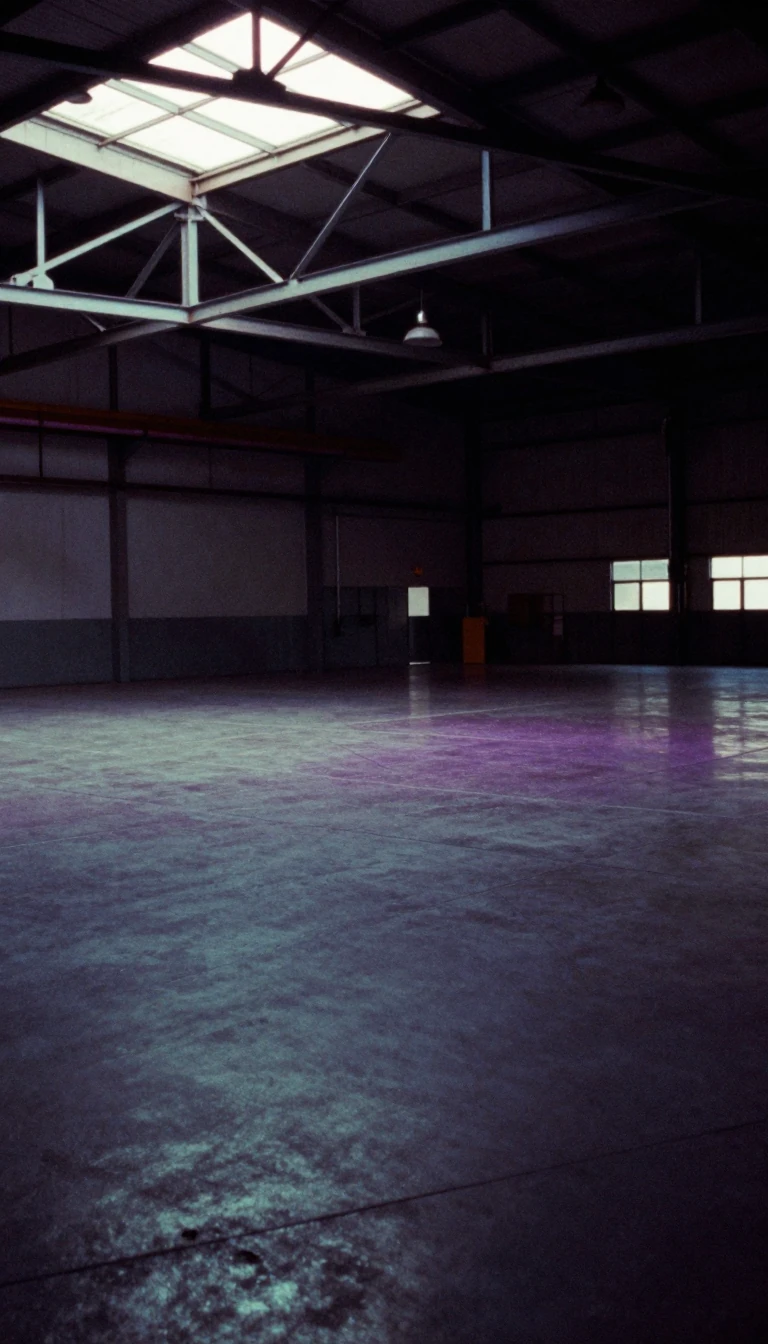
In short: Hidden beneath the high-tech testing of the V-22 Osprey and F-14 Tomcat lies a legacy of environmental damage and forced displacement. To build a premier naval aviation hub, the U.S. government rapidly seized ancestral lands and introduced chemicals that still linger in the groundwater today.
In 1937, the Navy sought to consolidate its scattered aviation test programs into a single, remote location. Cedar Point, Maryland, was chosen for its isolation from air traffic and ample space for weapons testing. Construction began in April 1942, driven by the urgency of World War II. The project was so rapid that the federal government purchased 6,412 acres of prime farmland in just one month, forcing residents—some of whom had lived there for 300 years—to relocate on extremely short notice.
The base grew into a 'boom town,' employing 7,000 workers at its peak. However, this industrial expansion left a lasting environmental footprint. During the late 1950s through the 1980s, the station used DDT and various pesticides, herbicides, and industrial wastes like solvents and paints. These contaminants seeped into the groundwater and surface water, leading to the site being added to the Superfund National Priorities List in May 1944. As of 2022, while some areas are 'cleaned up,' the Navy continues to monitor landfill gas and restrict fish consumption in certain zones.
Despite these costs, the station became the definitive forge for naval aviation. It hosted the development of iconic aircraft like the Grumman F-14 Tomcat, the AV-8B Harrier II jump jet, and the P-3 Orion. Today, it serves as a massive complex for over 17,000 people, transitioning from the era of manned flight to the future of unmanned systems, while still carrying the physical and ecological scars of its rapid wartime birth.
Opens the Intellect+ feed with this card first. Swipe up for the next one.
Sources
- Summary by Intellect · source: Naval Air Station Patuxent River
To cite this card, link to https://intellectplus.co.uk/app/space-naval-air-station-patuxent-river.
How we source, check and correct cards: Editorial standards.
General information, not professional advice. Spotted an error? Flag the card or see corrections and complaints.
Intellect Plus is a visual educational discovery platform for exploring fascinating facts and ideas. Brain Food, Not Brain Rot. What is Intellect Plus?
Related
More in Space · More in Space · Latest · A–Z · All topics
