Seattle-Tacoma International Airport was built on a plateau of millions of cubic yards of earth.
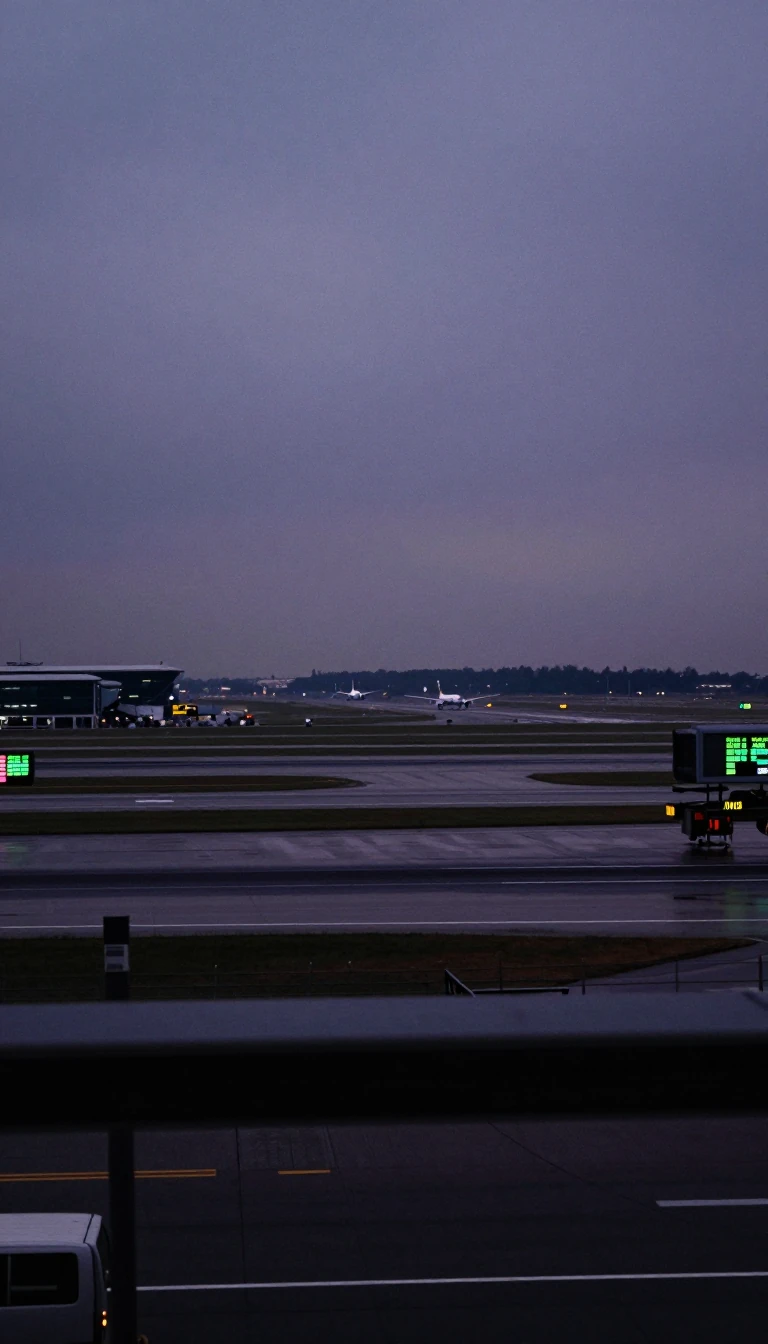
In short: Born from the urgent military needs of World War II, Sea-Tac transformed from a fog-prone airfield into a global aviation hub. Today, it manages over 50 million passengers annually, balancing constant infrastructure expansion with the complex demands of modern international travel and the legacy of its unique regional partnership.
The airport's origins trace back to 1942, when the U.S. military assumed control of Boeing Field. To maintain civilian aviation, the Port of Seattle secured federal funding to construct a new facility near Bow Lake. The site, chosen for its strategic location, required massive engineering efforts; workers excavated 6.5 million cubic yards of earth to create a stable plateau. Though initially estimated to cost $1.7 million, the project's final price tag ballooned to over $4.2 million due to challenging sandy soil conditions.
The facility officially opened on October 31, 1944, though commercial operations were initially restricted by military requirements. By the late 1940s, the airport began its transition into a major commercial hub, formally dedicating its terminal in 1949. The subsequent decades saw rapid evolution, including runway extensions to accommodate the jet age and the 1973 addition of an automated underground train system—one of the first of its kind in the United States. This era also marked the beginning of a significant public art collection, which now includes 289 works valued at $40 million.
Growth has not been without friction. In the 1980s, a contentious debate erupted over a proposal to rename the airport after Senator Henry M. Jackson. Tacoma residents, who had contributed to the original construction budget, successfully campaigned to restore the original name, viewing the change as a betrayal of the city's historical role. Later, the addition of a third runway in 2008 required years of legal battles and environmental mitigation to address noise concerns from neighboring communities.
Today, Sea-Tac serves as a critical gateway for Alaska Airlines and Delta Air Lines. Recent modernization efforts, such as the 2022 opening of a massive International Arrivals Facility, aim to alleviate congestion. Despite these upgrades, the airport faces ongoing challenges, including aging baggage systems and the need for further expansion to accommodate a projected regional population increase of one million people by 2035.
Opens the Intellect+ feed with this card first. Swipe up for the next one.
Sources
- Summary by Intellect · source: Seattle–Tacoma International Airport
To cite this card, link to https://intellectplus.co.uk/app/places-seattle-tacoma-international-airport.
How we source, check and correct cards: Editorial standards.
General information, not professional advice. Spotted an error? Flag the card or see corrections and complaints.
Intellect Plus is a visual educational discovery platform for exploring fascinating facts and ideas. Brain Food, Not Brain Rot. What is Intellect Plus?
Related
More in Cities · More in Countries & Cities · Latest · A–Z · All topics
