The Butterfly Nebula hides a blazing stellar engine behind a massive wall of dust.
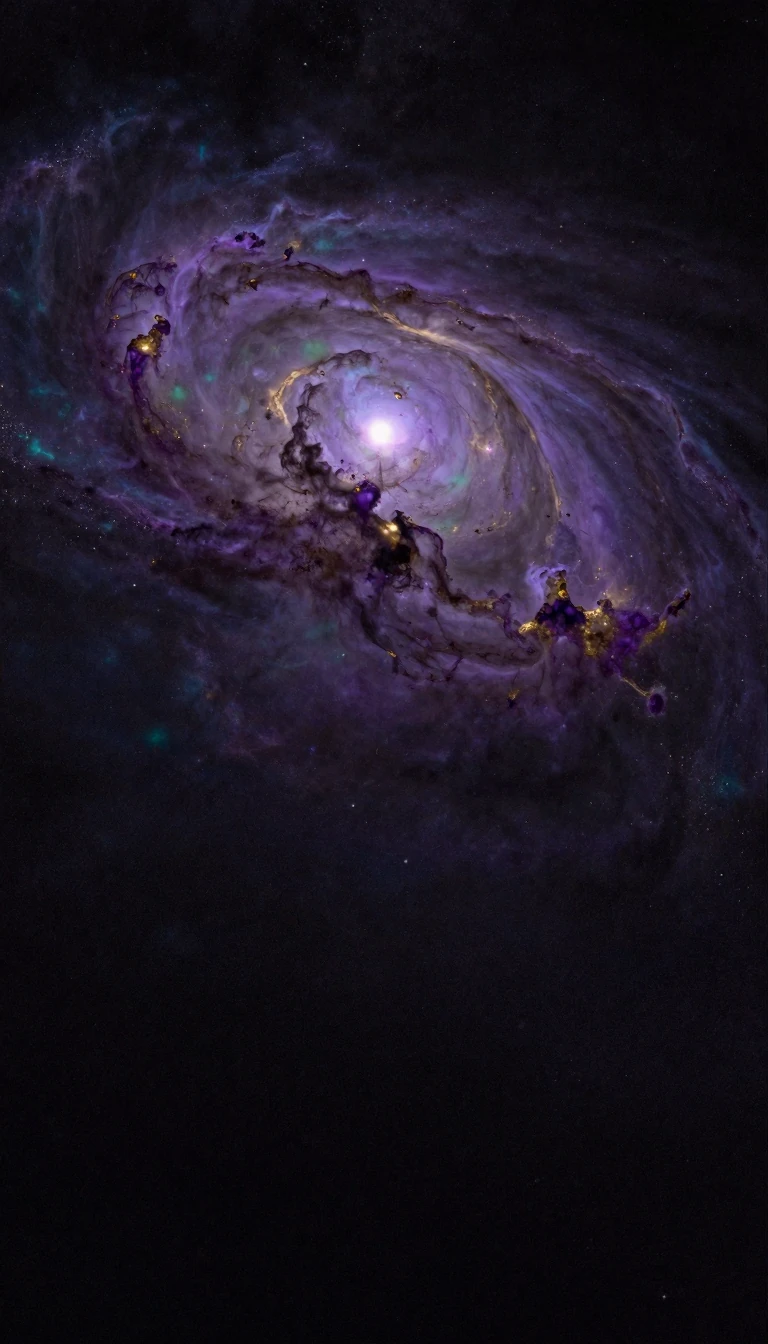
In short: Located 3400 light-years away, the Butterfly Nebula is a masterpiece of cosmic architecture. While its wings span light-years, its heart remained a mystery for years. A dense, doughnut-shaped torus of dust obscures the central star, which burns at a staggering 220,000 Kelvin, making it one of the hottest stars known.
Planetary nebulas like NGC 6302 are fleeting cosmic phenomena, lasting only about 20,000 years. They occur when stars with masses between 0.8 and 8 times that of the Sun shed their outer layers at the end of their lives. Despite the name, these objects have no connection to planets; the term originated centuries ago when early astronomers mistook their round appearance for planetary discs. The Butterfly Nebula, however, is anything but round, displaying a complex bipolar structure with two distinct lobes.
The nebula’s iconic insectoid shape is likely dictated by a dense, doughnut-shaped torus of gas and dust that surrounds the central star. This torus acts as a barrier, preventing gas from expanding equally in all directions and forcing outflows into the characteristic 'wings' we observe. Recent observations using the James Webb Space Telescope and the Atacama Large Millimeter/submillimeter Array have provided an unprecedented look at this structure, identifying crystalline silicates like quartz and large, mature dust grains within the torus.
Perhaps most intriguing is the discovery of polycyclic aromatic hydrocarbons (PAHs) within the nebula. These carbon-based molecules, typically associated with campfire smoke or car exhaust on Earth, are rarely found in oxygen-rich environments. Their presence in the Butterfly Nebula suggests they may form when high-speed winds from the central star burst into the surrounding gas. This provides a rare glimpse into the chemical evolution of dying stars, as the central engine continues to fade on its inevitable path toward becoming a white dwarf.
Opens the Intellect+ feed with this card first. Swipe up for the next one.
Sources
- Summary by Intellect · source: Webb investigates complex heart of a cosmic butterfly
- Also: NGC 6302
To cite this card, link to https://intellectplus.co.uk/app/space-ngc-6302.
How we source, check and correct cards: Editorial standards.
General information, not professional advice. Spotted an error? Flag the card or see corrections and complaints.
Intellect Plus is a visual educational discovery platform for exploring fascinating facts and ideas. Brain Food, Not Brain Rot. What is Intellect Plus?
Related
More in Astronomical objects · More in Space · Latest · A–Z · All topics
