Most multi-planet systems detected by Kepler are stable and lack orbital resonances
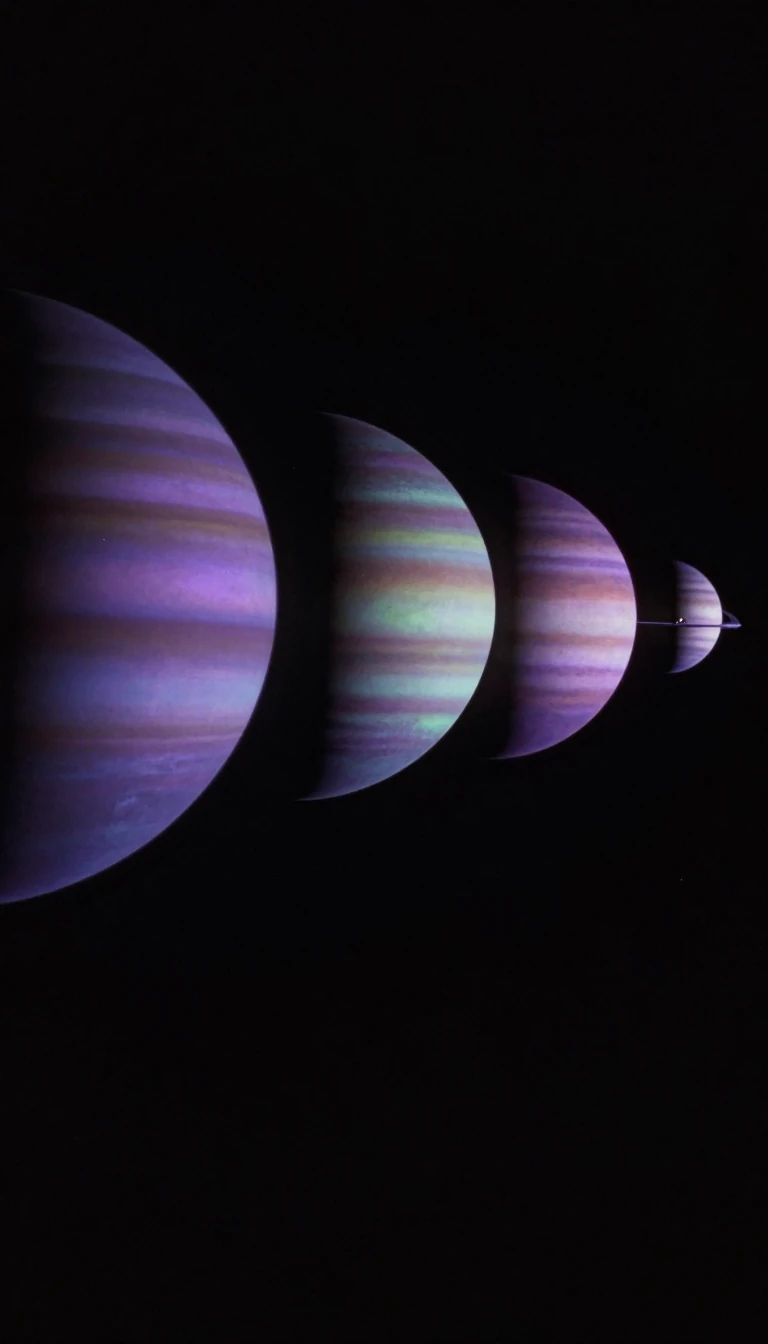
In short: Researchers analyzing data from the Kepler space telescope found that about one-third of the initial transiting planet candidates belong to multi-planet systems. By examining 115 stars with at least two candidate planets, the team characterized the orbital architectures of these systems, finding that most planet pairs are not locked into mean-motion resonances.
The study used numerical integrations to test the long-term stability of these systems, assuming a standard mass-radius relationship. They found that virtually all candidate systems are stable. While there were small excesses of planets near the 2:1 resonance, the vast majority of pairs are spaced independently.
The research adds to our understanding of planetary architecture by suggesting these systems consist of multiple super-Earth and Neptune-sized planets with low to moderate mutual inclinations. However, the study relies on candidate data and assumes a nominal mass-radius relationship for its stability tests.
Why it matters: Understanding how planets arrange themselves helps astronomers determine how common and stable multi-planet systems are in our galaxy.
Opens the Intellect+ feed with this card first. Swipe up for the next one.
Sources
- Summary by Intellect · source: Research: Lissauer et al. (2011). ARCHITECTURE AND DYNAMICS OF KEPLER 'S CANDIDATE MULTIPLE TRANSITING PLANET SYSTEMS. The Astrophysical Journal Supplement Series.
To cite this card, link to https://intellectplus.co.uk/app/space-research-most-multi-planet-systems-detected-by-kepler-are-stable-and.
How we source, check and correct cards: Editorial standards.
General information, not professional advice. Spotted an error? Flag the card or see corrections and complaints.
Intellect Plus is a visual educational discovery platform for exploring fascinating facts and ideas. Brain Food, Not Brain Rot. What is Intellect Plus?
Related
More in Exoplanets · More in Space · Latest · A–Z · All topics
