Substellar objects appear much bluer than expected due to complex atmospheric absorption
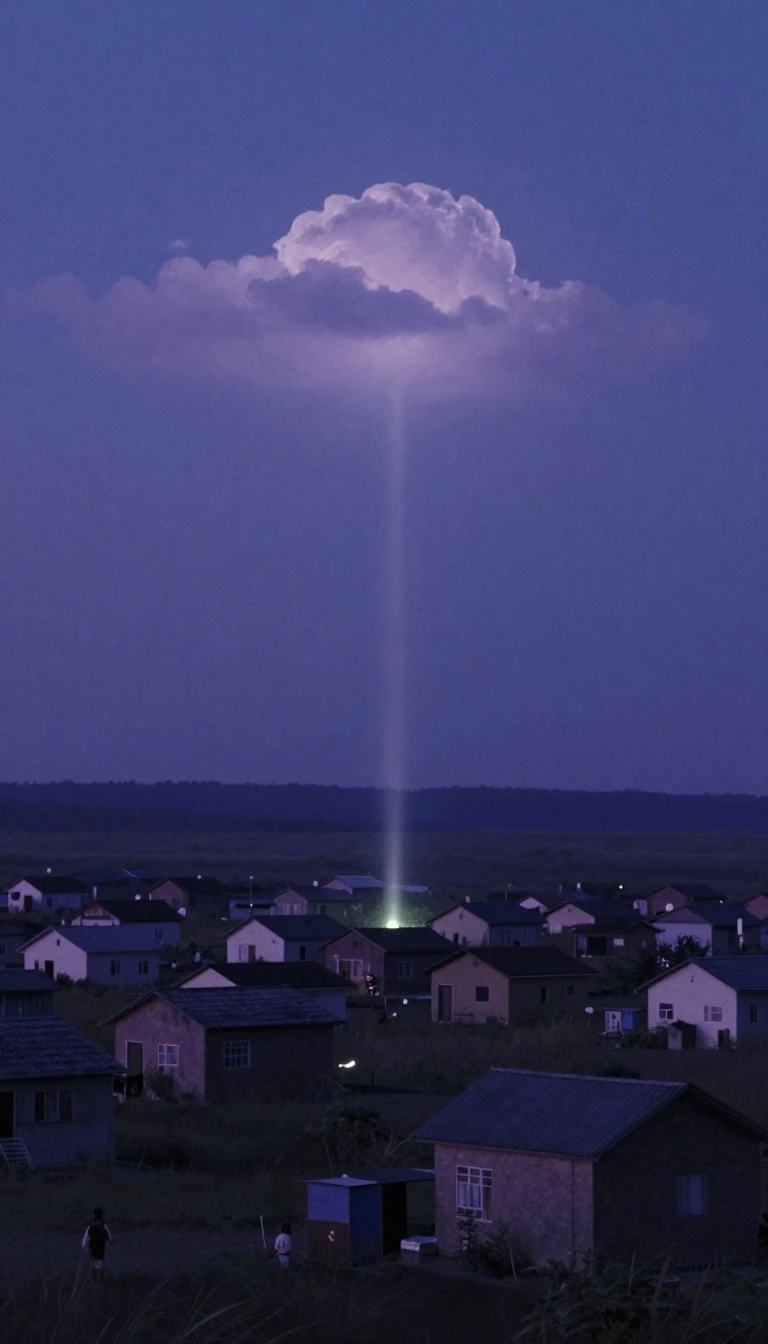
In short: Researchers using new nongray calculations found that extrasolar giant planets and brown dwarfs exhibit much bluer infrared colors than scientists previously believed. By modeling atmospheres for temperatures as low as 100 K, the study revealed that specific molecular absorption patterns redistribute light in ways that significantly enhance emergent flux in certain infrared bands.
The study used theoretical modeling to simulate the atmospheres, spectra, and evolution of objects ranging from Saturn-mass planets to low-mass stars. This work is significant because it provides a framework for identifying these exotic objects across a wide temperature range.
The researchers focused on solar-metallicity objects in isolation, meaning the model does not account for how a nearby star might insulate the planet's atmosphere.
Why it matters: Understanding these complex atmospheric absorptions helps astronomers better detect and identify distant planets and brown dwarfs.
Opens the Intellect+ feed with this card first. Swipe up for the next one.
Sources
- Summary by Intellect · source: Research: Burrows et al. (1997). A Nongray Theory of Extrasolar Giant Planets and Brown Dwarfs. The Astrophysical Journal.
To cite this card, link to https://intellectplus.co.uk/app/space-research-substellar-objects-appear-much-bluer-than-expected-due-to-co.
How we source, check and correct cards: Editorial standards.
General information, not professional advice. Spotted an error? Flag the card or see corrections and complaints.
Intellect Plus is a visual educational discovery platform for exploring fascinating facts and ideas. Brain Food, Not Brain Rot. What is Intellect Plus?
Related
More in Exoplanets · More in Space · Latest · A–Z · All topics
