Why a simple rubber ring caused the catastrophic destruction of the Space Shuttle Challenger
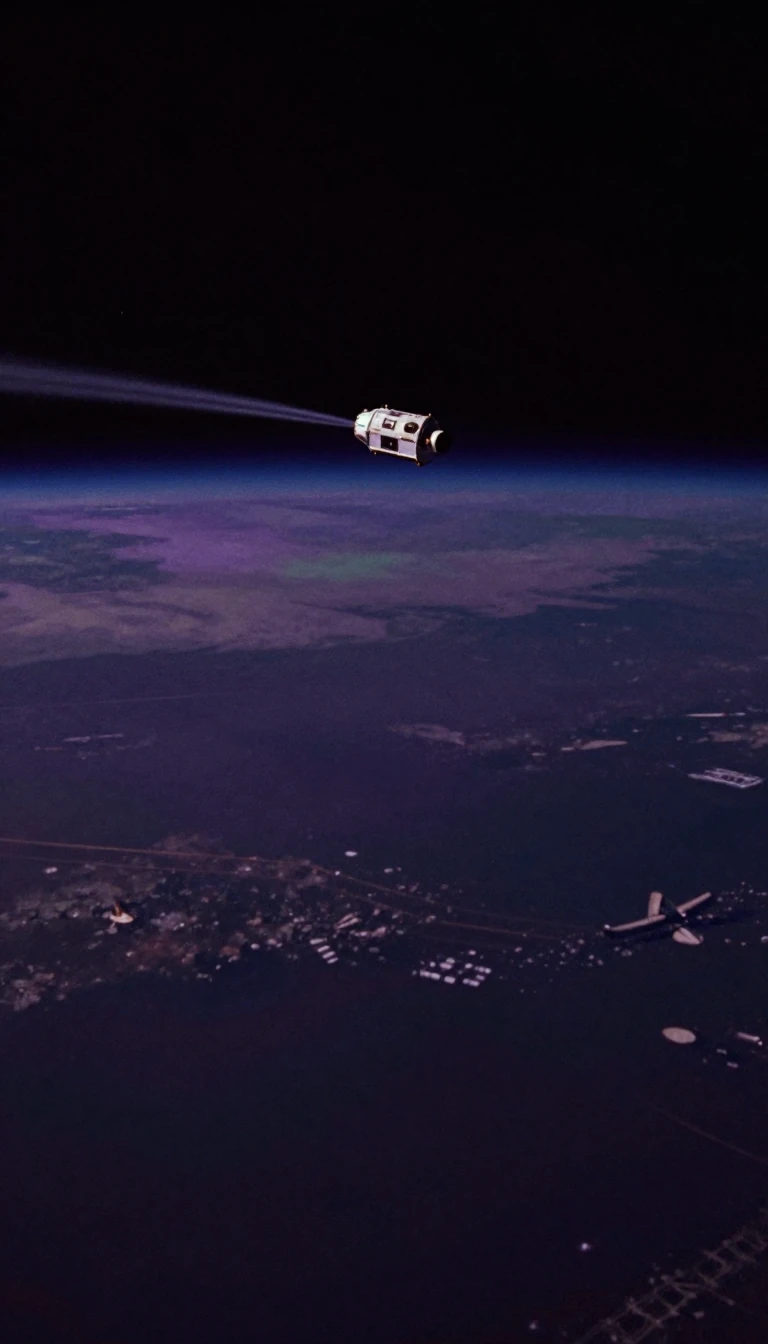
In short: On January 28, 1986, the Space Shuttle Challenger exploded 73 seconds after liftoff, claiming the lives of seven astronauts. The disaster, which grounded the U.S. space program, was traced to a failure in the vehicle's solid rocket booster seals, exacerbated by a severe cold wave in Florida.
The mission, designated 51-L, was intended to launch a tracking satellite and deploy the Spartan Halley spacecraft to observe Halley’s Comet. Among the crew was Christa McAuliffe, a teacher from Concord, New Hampshire, selected to conduct lessons from orbit to inspire students. However, the launch had already faced delays due to the previous mission, Columbia, and the morning of the flight was marked by unusually frigid temperatures that coated the launch pad in ice.
The technical failure centered on two rubber O-rings designed to seal the joints of the right-hand solid rocket booster. During a commission hearing, physicist Richard Feynman demonstrated that these rings lost their resiliency in freezing water. On the morning of the launch, this lack of flexibility caused a phenomenon known as joint rotation, which allowed hot exhaust gases to escape. As the shuttle ascended, this leak grew into a massive flame that eroded the strut securing the booster to the external fuel tank.
When the strut finally failed, the booster swiveled, piercing the external tank and triggering a catastrophic explosion. The Rogers Commission, chaired by William Rogers and including figures like Neil Armstrong and Sally Ride, later faulted both NASA and the contractor, Morton Thiokol, for poor management and engineering. The investigation revealed an institutional culture that had grown dangerously accustomed to ignoring minor mishaps, pushing the shuttle system beyond its intended safety limits to meet ambitious operational goals.
The crew cabin, severed in one piece, continued to climb before plummeting into the Atlantic. While it is believed the crew survived the initial breakup, they likely lost consciousness within seconds due to a lack of pressure suits and oxygen deficiency. The disaster forced a complete redesign of the solid rocket boosters and a fundamental reassessment of NASA's risk management, marking a somber turning point in the history of human spaceflight.
Opens the Intellect+ feed with this card first. Swipe up for the next one.
Sources
- Summary by Intellect · source: Challenger disaster | Summary, Date, Cause, & Facts | Britannica
- Also: Challenger STS-51L Accident - NASA
- Also: Space Shuttle Challenger
To cite this card, link to https://intellectplus.co.uk/app/space-space-shuttle-challenger.
How we source, check and correct cards: Editorial standards.
General information, not professional advice. Spotted an error? Flag the card or see corrections and complaints.
Intellect Plus is a visual educational discovery platform for exploring fascinating facts and ideas. Brain Food, Not Brain Rot. What is Intellect Plus?
Related
More in Space · More in Space · Latest · A–Z · All topics
