The Space Shuttle Columbia disaster was caused by a piece of falling foam
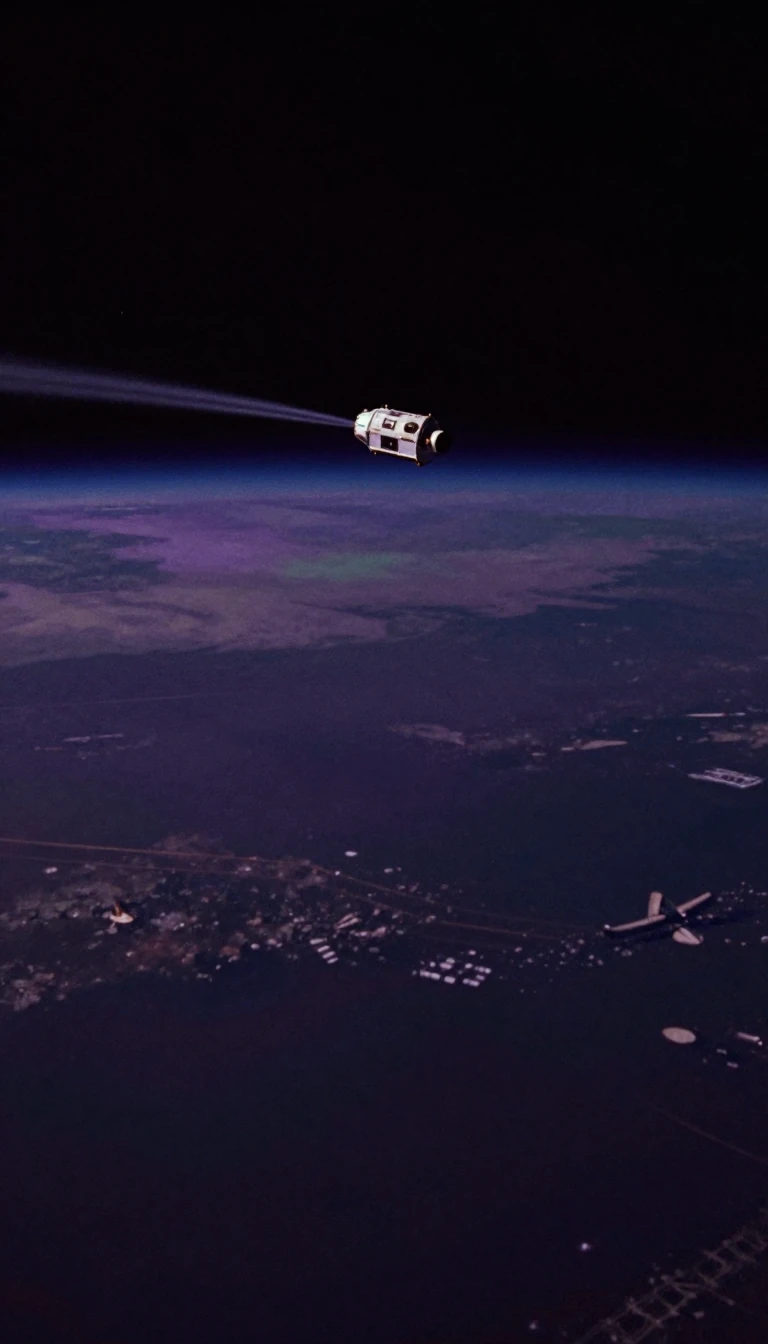
In short: On February 1, 2003, the Space Shuttle Columbia disintegrated during reentry, killing all seven crew members. While the tragedy occurred in the final minutes of a 16-day research mission, investigators traced the fatal flaw back to the very beginning of the flight, when insulating foam struck the orbiter's wing.
Columbia, the first orbiter in NASA's fleet, launched on January 16, 2003, for its 28th mission, STS-107. The flight was a dedicated scientific marathon, carrying seven crew members—including the first Israeli astronaut—to conduct microgravity research. Experiments ranged from combustion physics and zeolite crystal formation to biological studies on cell cultures and protein crystallization. The crew worked around the clock, managing payloads for NASA, the European Space Agency, and various international partners.
The disaster was set in motion just 81 seconds after liftoff. A piece of insulating foam detached from the external propellant tank and impacted the leading edge of the left wing. Although foam shedding had occurred on previous missions without catastrophic results, NASA engineers at the time underestimated the potential damage. Post-accident testing confirmed that the foam possessed enough momentum to breach the reinforced carbon-carbon tiles designed to shield the shuttle from the extreme heat of atmospheric reentry.
During the return to Earth on February 1, the damaged wing allowed superheated gases to penetrate the orbiter's structure. Sensors recorded rising temperatures in the left wing at 8:52 a.m. EST, and the vehicle broke apart over Texas at approximately 9:00 a.m., just 16 minutes before its scheduled landing. The subsequent investigation by the Columbia Accident Investigation Board highlighted both technical failures and managerial shortcomings, leading to a temporary grounding of the shuttle fleet and a significant pause in the assembly of the International Space Station.
In the aftermath, NASA recovered nearly 85,000 pieces of debris, representing about 38 percent of the orbiter. These artifacts are now preserved at the Kennedy Space Center. The loss of Columbia prompted a major shift in NASA's human spaceflight strategy, eventually leading to the retirement of the Space Shuttle program in 2011. Today, the crew is honored through numerous memorials, including the Columbia Hills on Mars, explored by the Spirit rover.
Opens the Intellect+ feed with this card first. Swipe up for the next one.
Sources
- Summary by Intellect · source: STS-107 - NASA
- Also: Space Shuttle Columbia
- Also: Columbia disaster | 2003, Crew, Cause, History, & Facts | Britannica
To cite this card, link to https://intellectplus.co.uk/app/space-space-shuttle-columbia.
How we source, check and correct cards: Editorial standards.
General information, not professional advice. Spotted an error? Flag the card or see corrections and complaints.
Intellect Plus is a visual educational discovery platform for exploring fascinating facts and ideas. Brain Food, Not Brain Rot. What is Intellect Plus?
Related
More in Space · More in Space · Latest · A–Z · All topics
