Why some galaxies are burning through their fuel at an unsustainable, frantic pace
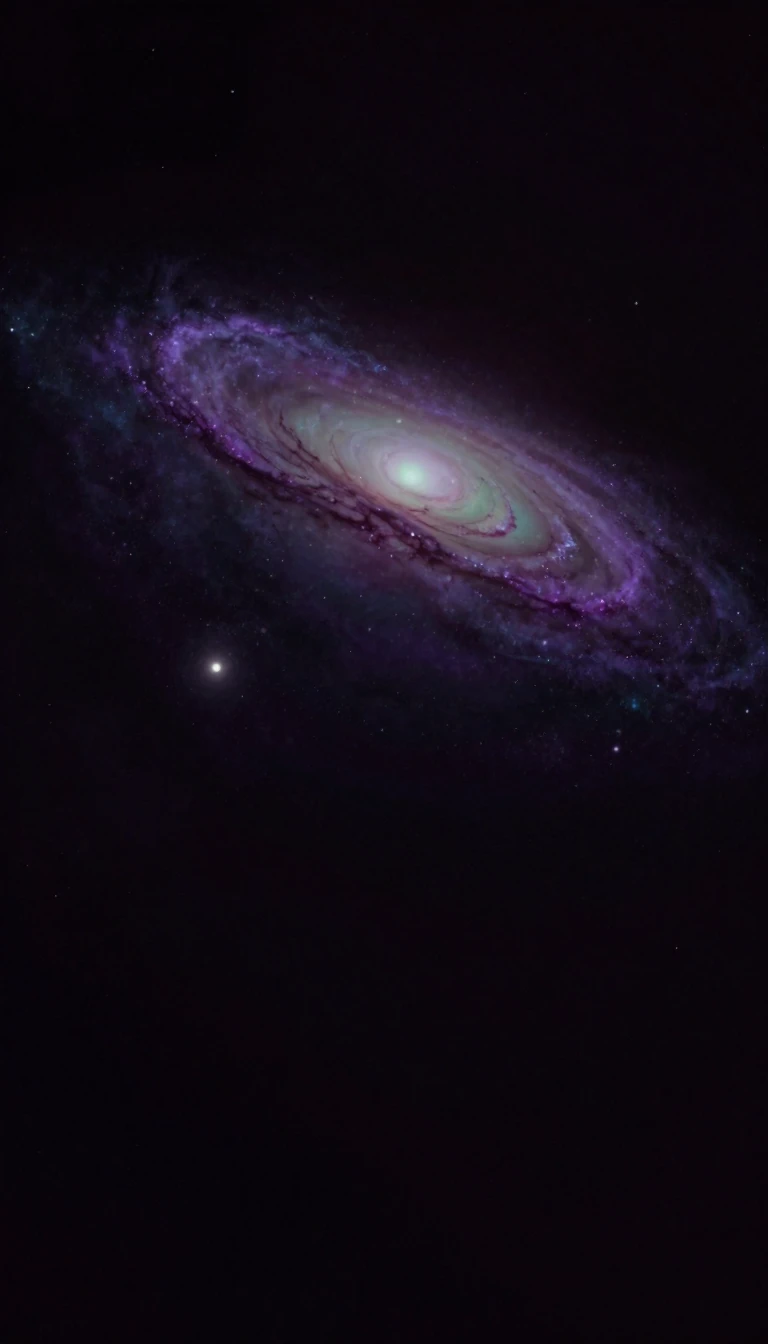
In short: A starburst region is a cosmic nursery operating at breakneck speed. While typical star formation is a slow, steady process, these regions ignite stars at rates that threaten to exhaust their entire gas supply in a cosmic blink of an eye. It is a brilliant, fleeting, and violent celestial phenomenon.
At the heart of a starburst lies a simple but intense imbalance: the rate of star birth is vastly higher than what is observed in standard galactic environments. This rapid creation of stars consumes interstellar gas so quickly that the process cannot be sustained for the lifetime of a galaxy. Instead, these regions burn through their available fuel in a timeframe significantly shorter than the age of their host systems, often characterized by extreme internal conditions such as heightened gas pressure and distinct chemical signatures in their emission lines.
These phenomena are not limited to specific scales; they can manifest as localized nebulae or encompass an entire galaxy. For instance, the Tarantula Nebula in the Large Magellanic Cloud stands out as one of the most active regions within our Local Group. When an entire galaxy enters this state, the results are dramatic. Messier 82, a famous starburst galaxy, exhibits gas pressure roughly 100 times higher than that found in our local neighborhood. Within a core spanning only 600 parsecs, it generates stars at a pace comparable to the entire Milky Way, a feat driven by massive, tightly packed star clusters.
The mechanics behind these events often involve external triggers, most notably galaxy mergers like the Antennae Galaxies. During these collisions, the gravitational disruption forces gas into dense regions, sparking widespread star formation. In galaxies like Messier 82, the process is further amplified by a galactic superwind—a powerful outflow generated by the intense heat and radiation of young stars. This wind compresses surrounding gas, creating a feedback loop that fuels the birth of millions more stars. However, this intensity is finite; Messier 82 is projected to deplete its 200 million solar masses of hydrogen in approximately 100 million years, marking the eventual end of its current, fiery evolution.
Understanding these regions is vital for mapping the history of the universe. Because starbursts are common during the violent interactions of early galaxy formation, they serve as laboratories for observing the most extreme star-forming environments. Whether appearing as a ring within a galaxy like Messier 94 or as a chaotic, plume-filled center in Messier 82, these regions represent the most aggressive phase of stellar development.
Opens the Intellect+ feed with this card first. Swipe up for the next one.
Sources
- Summary by Intellect · source: Starburst region
- Also: Starburst - NASA Science
To cite this card, link to https://intellectplus.co.uk/app/space-starburst-region.
How we source, check and correct cards: Editorial standards.
General information, not professional advice. Spotted an error? Flag the card or see corrections and complaints.
Intellect Plus is a visual educational discovery platform for exploring fascinating facts and ideas. Brain Food, Not Brain Rot. What is Intellect Plus?
Related
More in Stellar astronomy · More in Space · Latest · A–Z · All topics
