How massive stars carve out vast, empty voids in the heart of galaxies
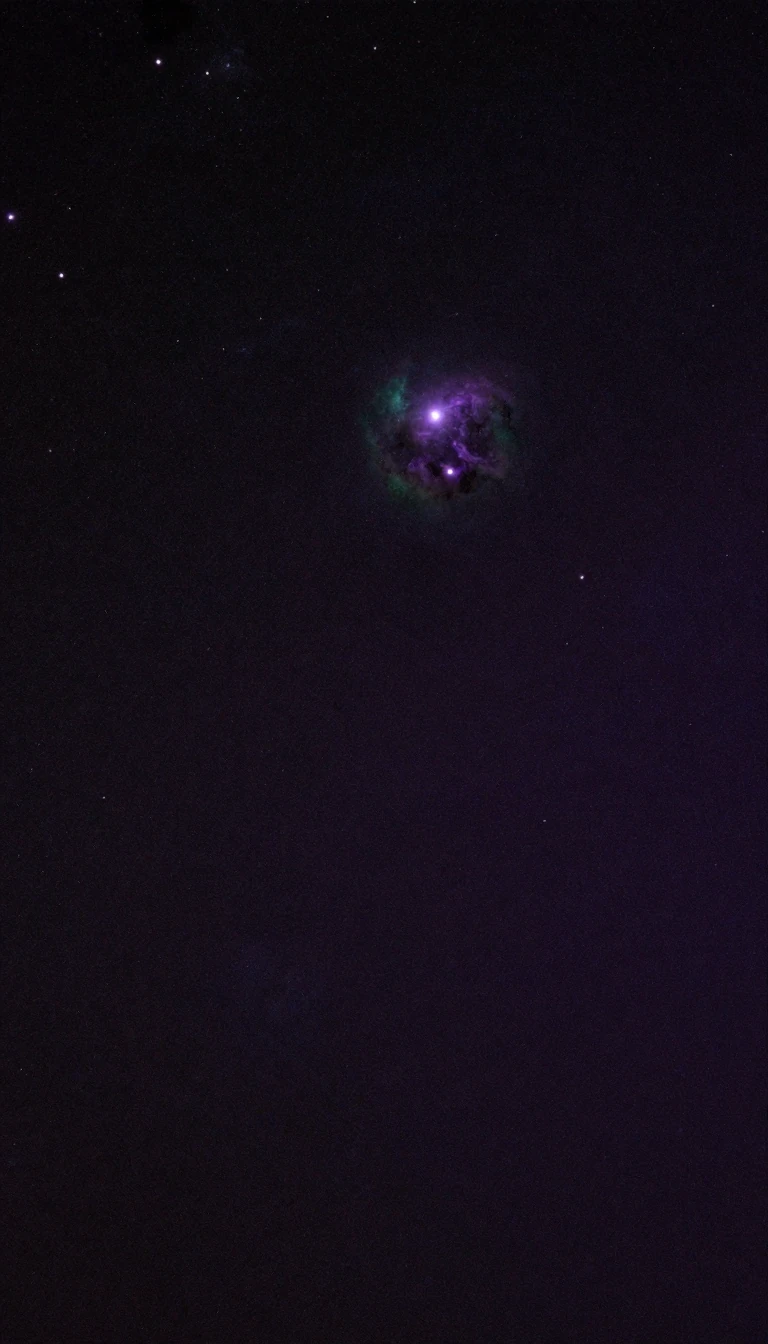
In short: In the Large Magellanic Cloud, a sprawling nebula named N44 hides a massive, empty void. This superbubble, stretching over 200 light-years, was not always a vacuum. It was hollowed out by the intense energy of newborn stars, which violently pushed away the very gas clouds that gave them life.
A superbubble is a colossal cavity within a galaxy, often spanning hundreds of light-years. The structure in N44, located 160,000 light-years away, serves as a prime example of this phenomenon. At its core, a cluster of glittering, massive stars generates powerful stellar winds and undergoes explosive supernovae. These combined forces act like a cosmic broom, sweeping away the surrounding gas and dust to create a vast, hollowed-out central void.
The expelled material does not simply vanish; it is compressed into a dense, dusty shell that encircles the bubble. This shell acts as a nursery for new stellar bodies, as the compressed gas provides the necessary environment for further star formation. Astronomers study these regions to better understand the timeline of star birth, specifically the duration between the collapse of cold gas clouds into dense knots and the ignition of nuclear fusion within a nascent star.
The N44 complex is particularly useful for research because it resides in the Large Magellanic Cloud, an environment with a lower concentration of elements heavier than helium compared to our own galaxy. By using the Hubble Space Telescope to catalog nearly half a million stars in this region, including 30,000 pre-main-sequence stars, researchers can observe star formation in conditions that mirror those found in the early universe. The glowing edges of the shell, illuminated by ultraviolet radiation from massive stars, provide a clear view of these ongoing processes, revealing both the destructive power of stellar winds and the creative potential of the resulting debris.
Opens the Intellect+ feed with this card first. Swipe up for the next one.
Sources
- Summary by Intellect · source: NASA Science — NASA's Hubble Spies Superbubble Scene - NASA Science
- Also: Superbubble
- Also: Superbubble in the Large Magellanic Cloud - NASA
To cite this card, link to https://intellectplus.co.uk/app/space-superbubble.
How we source, check and correct cards: Editorial standards.
General information, not professional advice. Spotted an error? Flag the card or see corrections and complaints.
Intellect Plus is a visual educational discovery platform for exploring fascinating facts and ideas. Brain Food, Not Brain Rot. What is Intellect Plus?
Related
More in Galactic and extragalactic astronomy · More in Space · Latest · A–Z · All topics
