McLaren-Honda's 1988 dominance redefined the limits of Formula One engineering and driver performance.
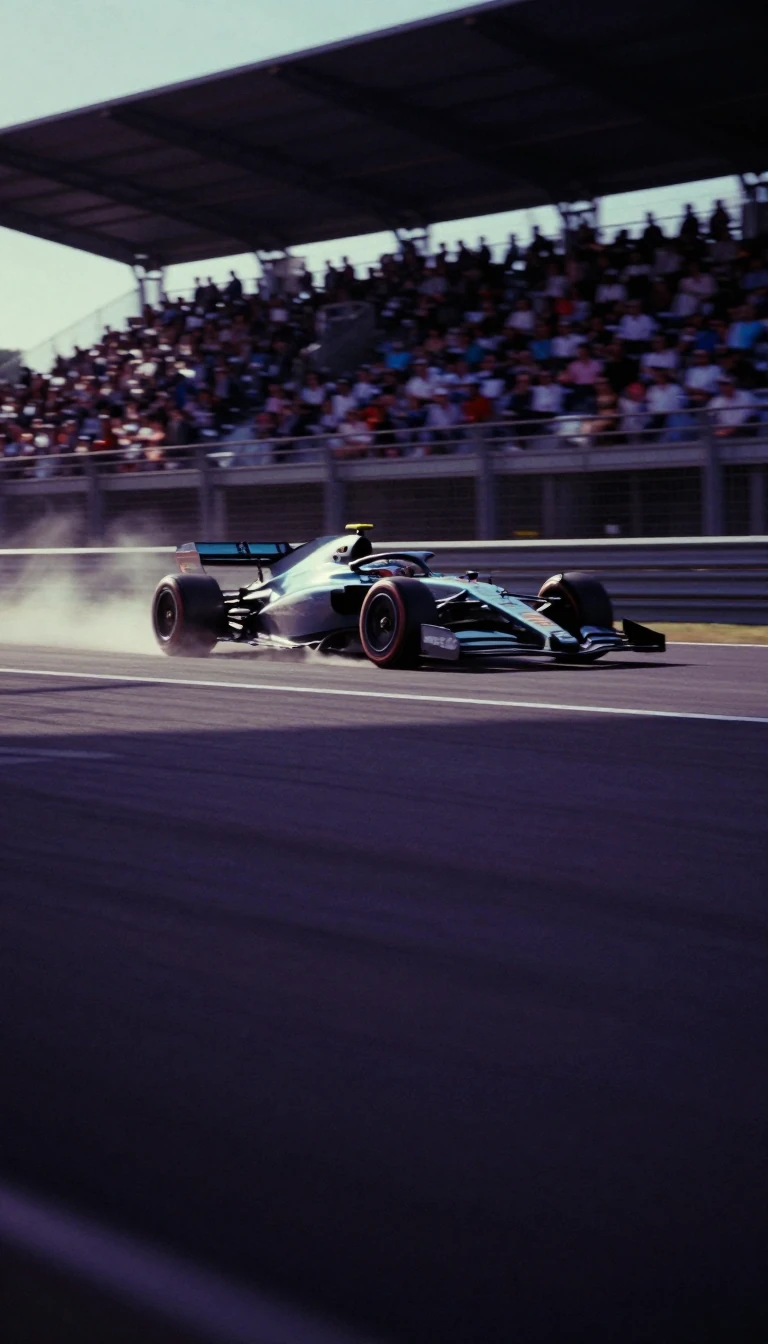
In short: In a season defined by severe turbo restrictions, McLaren-Honda secured fifteen of sixteen race victories. While the rest of the grid struggled with the transition to naturally aspirated engines, the MP4/4 chassis and the partnership of Ayrton Senna and Alain Prost created a performance gap that remains legendary in motorsport history.
The 1988 FIA Formula One World Championship marked the 42nd season of the sport, serving as a transitional year before the total ban on turbocharged engines in 1989. To prepare for this shift, the FIA implemented strict regulations, including limiting turbo boost to 2.5 bar and reducing fuel capacity for turbo cars to 155 liters. Naturally aspirated engines, by contrast, faced no such fuel restrictions, leading several teams like Williams to adopt them early in hopes of gaining a developmental advantage.
Despite these efforts to level the playing field, McLaren-Honda proved untouchable. Their MP4/4, powered by the RA168E engine, was so superior that at the Imola Grand Prix, Senna and Prost lapped the entire field. The team finished the season with 199 points, a record that stood until 2002. The only race they failed to win was the Italian Grand Prix, where Ferrari's Gerhard Berger secured an emotional victory shortly after the death of team founder Enzo Ferrari.
Internal dynamics within McLaren added to the season's intensity. The rivalry between Senna and Prost was marked by extreme competitiveness, famously exemplified at Monaco. After dominating the weekend, Senna crashed while leading by 50 seconds, a mistake he reportedly contemplated in isolation at his home. Meanwhile, other teams faced significant hurdles; Williams, the 1987 constructors' champion, struggled with an underpowered Judd V8 engine and a heavy reactive suspension system, failing to win a single race throughout the year.
The season also introduced new safety measures, such as requiring drivers' feet to be positioned behind the front axis and mandating static crash tests for survival cells. As the sport moved toward a new era, the 1988 season stood as a testament to the power of aerodynamic efficiency and the dominance of a perfectly matched driver-car combination, leaving the rest of the field to compete for the title of 'best of the rest'.
Opens the Intellect+ feed with this card first. Swipe up for the next one.
Sources
- Summary by Intellect · source: 1988 Formula One World Championship
To cite this card, link to https://intellectplus.co.uk/app/sport-1988-formula-one-world-championship.
How we source, check and correct cards: Editorial standards.
General information, not professional advice. Spotted an error? Flag the card or see corrections and complaints.
Intellect Plus is a visual educational discovery platform for exploring fascinating facts and ideas. Brain Food, Not Brain Rot. What is Intellect Plus?
Related
More in Motorsport · More in Sport & Games · Latest · A–Z · All topics
