The 1977 Formula One season was a record-breaking year defined by both innovation and tragedy.
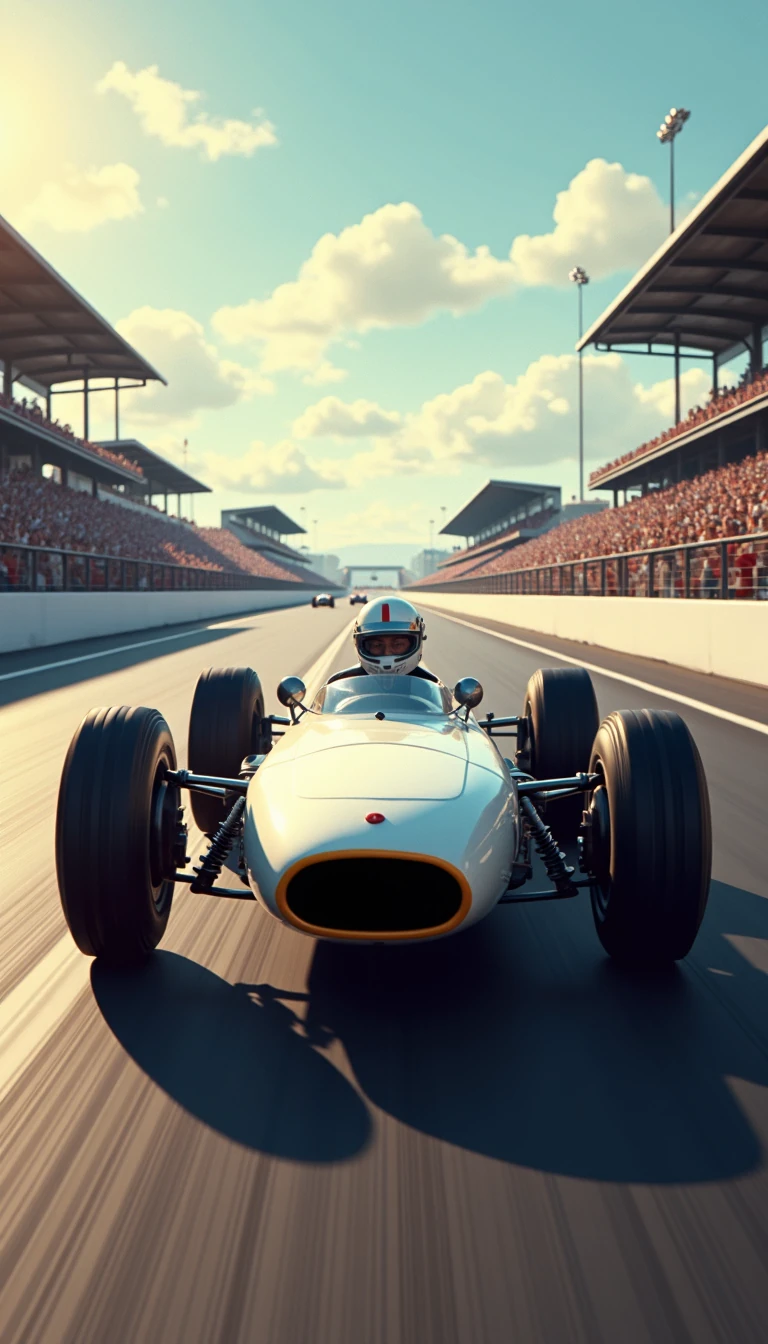
In short: Spanning seventeen races, the 1977 season was the longest in Formula One history at the time. While Niki Lauda secured his second world title, the year was marked by high-stakes technical shifts, including the debut of Renault's turbocharged engine, and a series of harrowing accidents that reshaped safety standards.
The 1977 season represented a pivotal moment for Formula One, balancing rapid technical evolution against a sobering reality of danger. It was the 31st season of the sport, featuring seventeen races that stretched from January to October. Amidst the competition, Renault introduced a factory-developed 1.5-litre turbocharged engine, marking the first time a constructor invested in this technology despite it being permitted since 1960. This era also saw the FIA implement its first official safety standards for helmets, a direct response to the inherent risks of the sport.
Tragedy frequently overshadowed the racing. The South African Grand Prix saw a horrific collision where Tom Pryce struck a 19-year-old marshal, Frederik Jansen van Vuuren, who was crossing the track; both were killed instantly. Shortly after, Carlos Pace died in a light aircraft accident in Brazil. The final race in Japan saw another fatal incident involving Gilles Villeneuve, whose car became airborne and struck a marshal and a photographer. These events underscored the perilous nature of the circuits, leading to significant changes, such as moving the German Grand Prix from the Nürburgring to the Hockenheimring due to safety concerns.
On the track, Niki Lauda dominated the championship for Ferrari, securing his second title before departing the team with two races remaining. Despite Mario Andretti winning more individual races, Lauda’s consistency proved decisive. The season was also notable for its logistical shifts, including the return of the Argentine Grand Prix and the introduction of new circuits and event-sharing arrangements. By the time the season concluded, the sport had been irrevocably altered, with teams and organizers forced to confront the lethal consequences of high-speed competition and inadequate track management.
Opens the Intellect+ feed with this card first. Swipe up for the next one.
Sources
- Summary by Intellect · source: 1977 Formula One season
- Also: Wikidata — 1977 Formula One season · CC0
To cite this card, link to https://intellectplus.co.uk/app/sport-1977-formula-one-season.
How we source, check and correct cards: Editorial standards.
General information, not professional advice. Spotted an error? Flag the card or see corrections and complaints.
Intellect Plus is a visual educational discovery platform for exploring fascinating facts and ideas. Brain Food, Not Brain Rot. What is Intellect Plus?
Related
More in Motorsport · More in Sport & Games · Latest · A–Z · All topics
