The 1989 Formula One season redefined racing with V10 engines and intense rivalries
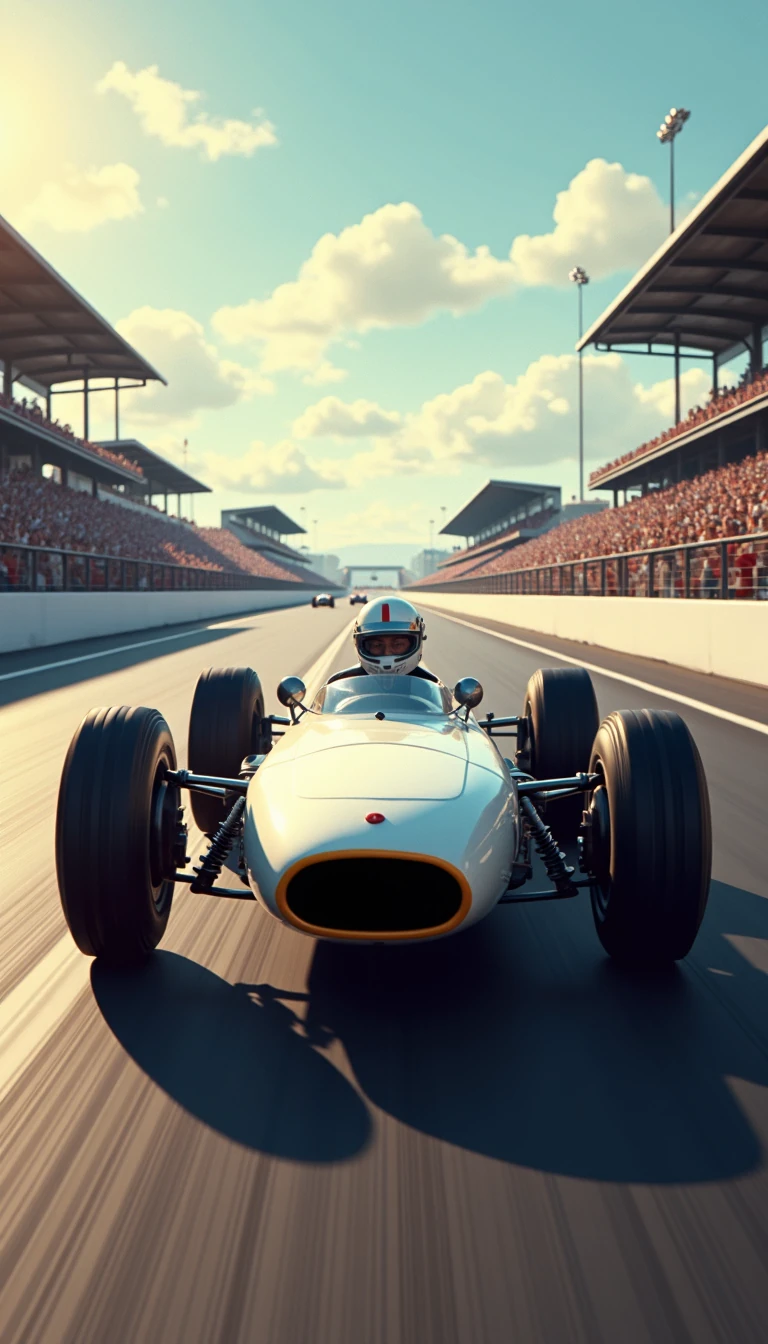
In short: The 1989 Formula One championship was a year of radical technical shifts and legendary friction. As turbocharged engines were banned, teams pivoted to experimental V10 and V12 configurations. Amidst this mechanical evolution, the fierce internal battle between McLaren teammates Alain Prost and Ayrton Senna pushed the sport to its breaking point.
The 1989 season marked a pivotal transition for Formula One, defined by the FIA's mandate to replace turbocharged engines with 3.5-litre naturally aspirated units. This regulation change triggered an unprecedented influx of entries, with 20 constructors fielding 39 cars—the largest field in the modern era. To manage this density, the sport expanded its pre-qualifying system, requiring 13 cars to compete for just four spots in the main qualifying session.
Technological experimentation flourished under the new rules. Renault and Honda introduced V10 engines, a configuration never before seen in the sport, while Ferrari debuted the 640, featuring the first semi-automatic electronic gearbox. These advancements came at a cost to driver comfort; to maximize aerodynamics, cockpits were narrowed, forcing drivers into cramped positions that caused severe physical strain. Safety concerns were further highlighted by the high-speed crash of Philippe Streiff during pre-season testing in Rio, which left him paralyzed.
The season is best remembered for the volatile relationship between McLaren drivers Alain Prost and Ayrton Senna. Their rivalry reached a boiling point at Imola, where Prost accused Senna of violating a pre-race agreement regarding corner etiquette. The tension culminated at the penultimate race in Japan, where a collision between the two resulted in Senna's disqualification for an improper track rejoin, effectively handing the Drivers' Championship to Prost. This victory was Prost's third and his final title with McLaren before his move to Ferrari.
Beyond the championship battle, the year was marked by significant team shifts. Williams secured an exclusive deal for Renault's new V10 engines, while Brabham returned to the grid after a one-year hiatus. Meanwhile, the Onyx team made its debut, and established teams like Benetton and Tyrrell navigated driver changes and technical hurdles. The season ultimately served as a bridge between the turbo era and the modern technical landscape of the sport.
Opens the Intellect+ feed with this card first. Swipe up for the next one.
Sources
- Summary by Intellect · source: 1989 Formula One World Championship
To cite this card, link to https://intellectplus.co.uk/app/sport-1989-formula-one-world-championship.
How we source, check and correct cards: Editorial standards.
General information, not professional advice. Spotted an error? Flag the card or see corrections and complaints.
Intellect Plus is a visual educational discovery platform for exploring fascinating facts and ideas. Brain Food, Not Brain Rot. What is Intellect Plus?
Related
More in Motorsport · More in Sport & Games · Latest · A–Z · All topics
