Amsterdam's metro system rose from the ashes of 1970s urban planning riots
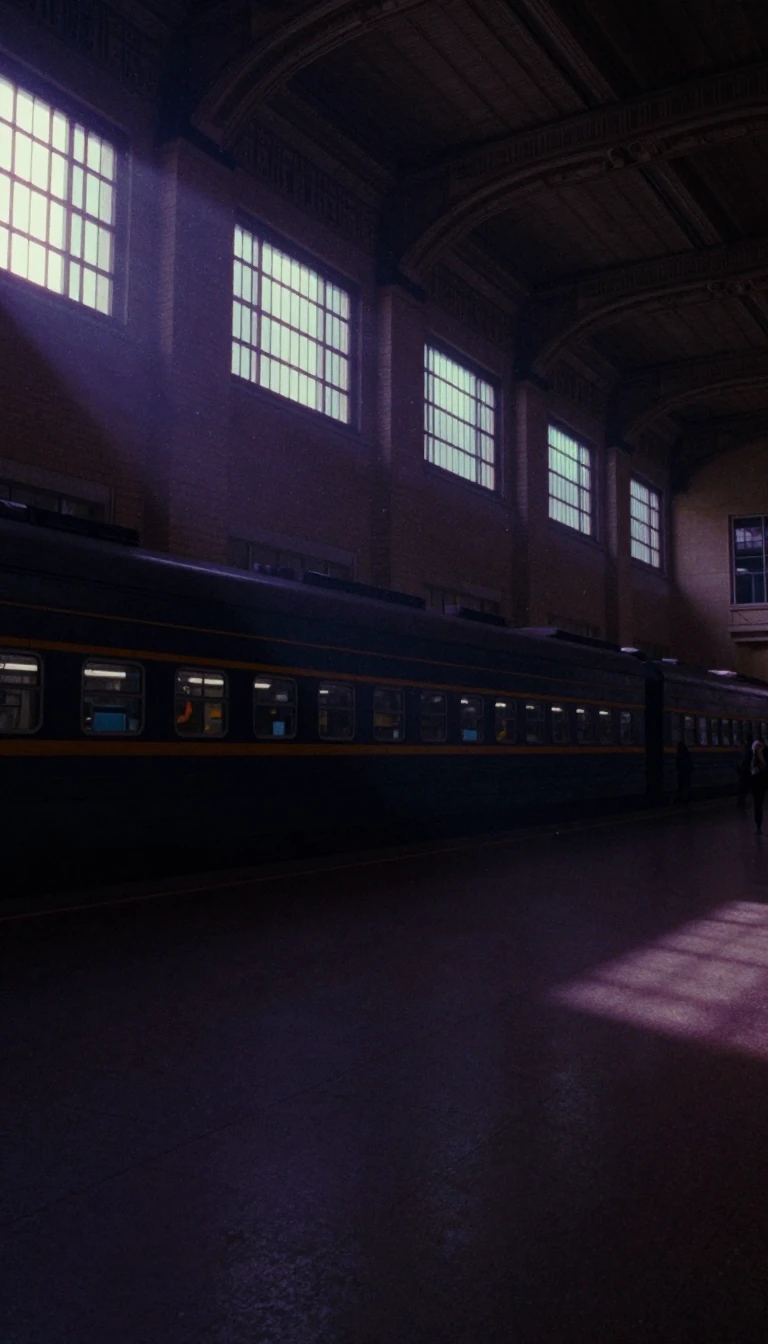
In short: Amsterdam's rapid transit network is a relatively modern invention, born from post-war traffic congestion and intense public pushback. While early 1920s proposals for underground rail stalled for decades, the eventual construction of the East Line triggered historic civil unrest, forever altering the city's approach to subterranean infrastructure and urban development.
The journey toward an Amsterdam metro began in the 1920s, but it was not until the 1950s that population growth and rising car traffic made underground rail a serious consideration. By 1968, the municipal council approved a comprehensive network plan, with the East Line breaking ground in 1970. This project aimed to link the city center with the Bijlmermeer district, yet the construction process—which involved demolishing buildings to sink massive concrete caissons—ignited the 1975 Nieuwmarkt riots. This fierce public opposition successfully halted further plans for additional tunnels and highways through the historic city center.
The system’s architecture reflects its era, with the East Line stations designed by Ben Spängberg and Sier van Rhijn. Their Brutalist aesthetic, characterized by vast concrete halls and bold color schemes, earned the 1979 Merkelbach Award and the 1981 Concrete Award. Over time, the network evolved through hybrid solutions, such as the former Line 51, which functioned as a metro in the city and an express tram in Amstelveen. This compromise allowed for expansion while navigating the political sensitivities that lingered after the 1970s protests.
Recent decades have seen the system shift toward modern, dedicated infrastructure. The North–South Line, which opened in 2018 after significant delays and a budget ballooning from €1.46 billion to €3.1 billion, represents the city's most ambitious recent engineering feat. Today, the network spans 52 kilometers across 33 stations. Despite its growth, the legacy of the early planning phase remains visible; for instance, an unused level beneath Weesperplein station still holds a Cold War-era bomb shelter, serving as a quiet reminder of the city's complex and contested transit history.
Opens the Intellect+ feed with this card first. Swipe up for the next one.
Sources
- Summary by Intellect · source: Amsterdam Metro
- Also: Wikidata — Amsterdam Metro · CC0
To cite this card, link to https://intellectplus.co.uk/app/sport-amsterdam-metro.
How we source, check and correct cards: Editorial standards.
General information, not professional advice. Spotted an error? Flag the card or see corrections and complaints.
Intellect Plus is a visual educational discovery platform for exploring fascinating facts and ideas. Brain Food, Not Brain Rot. What is Intellect Plus?
Related
More in Specific transportation systems · More in Sport & Games · Latest · A–Z · All topics
