The evolution of the soccer ball from animal bladders to high-tech aerodynamic instruments.
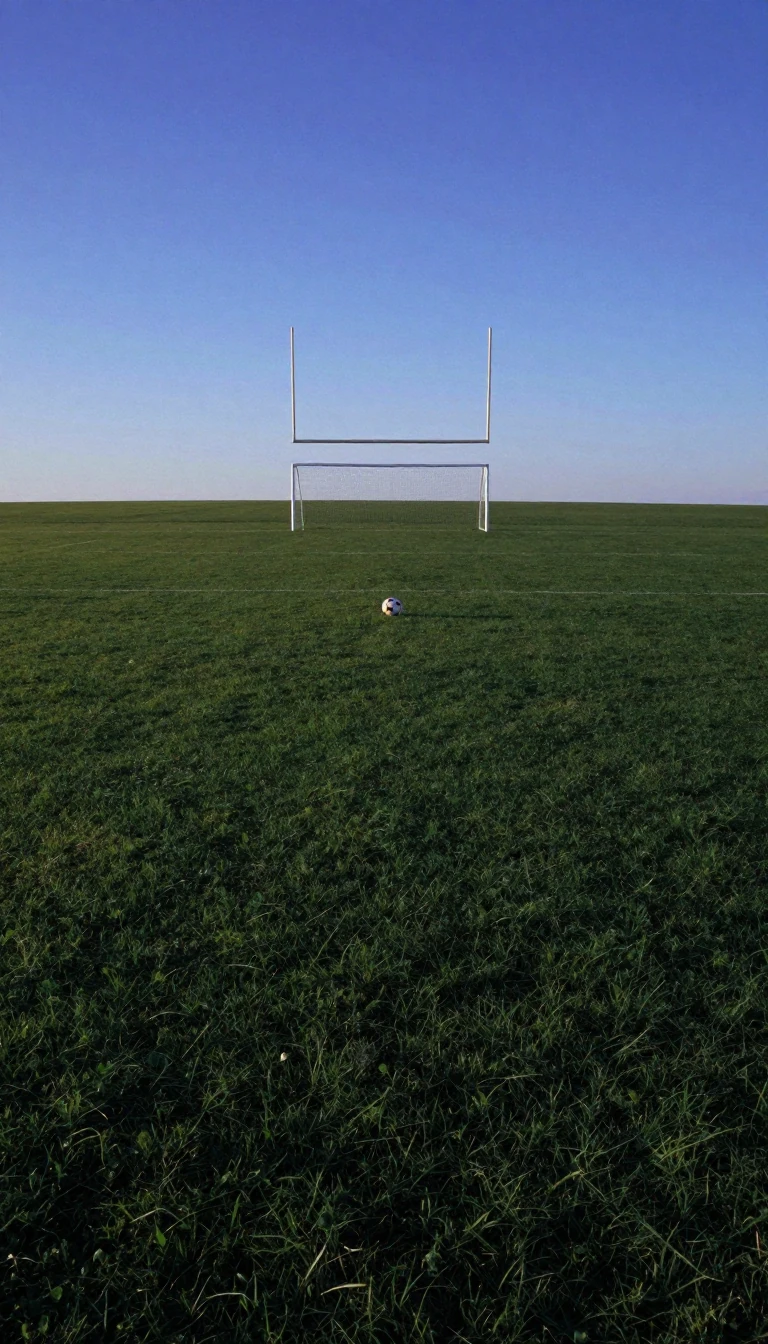
In short: Modern footballs are marvels of engineering, but their history is surprisingly chaotic. From leather-laced bladders that caused head injuries to the controversial, knuckle-balling Jabulani, the ball has evolved through vulcanized rubber and complex panel geometry. Today, these objects are precision-tested, chip-embedded tools that define the pace of professional play.
Early footballs were rudimentary, often crafted from animal bladders or leather shells filled with cork. These designs were prone to puncturing and water absorption, which significantly increased the ball's mass during rain, leading to painful heading and potential long-term health risks for players. A major turning point arrived in 1838 when Charles Goodyear introduced vulcanized rubber. This innovation improved elasticity, strength, and water resistance, providing a more reliable bounce and a consistent shape that revolutionized the sport.
The iconic 32-panel design, popularized by the 1970 Adidas Telstar, became the global standard for decades. However, the pursuit of performance has led to diverse configurations, including balls with as few as four panels. Modern balls are now complex, often utilizing a truncated icosahedron geometry of twelve pentagons and twenty hexagons. Manufacturers now employ advanced techniques like thermo-bonding to prevent water absorption and use synthetic materials like polyurethane to ensure precise control and touch.
The quest for perfection has occasionally sparked intense debate. The 2010 World Cup ball, the Jabulani, faced widespread criticism from players who described its flight as unpredictable. NASA scientists later analyzed the phenomenon, attributing the ball's volatile movement to a 'knuckle-ball effect' caused by its smooth seams. When struck without spin, these seams create asymmetric airflow, resulting in sudden, unbalanced side forces. This highlights the delicate balance between aerodynamics and design in modern sports.
Today, the ball is increasingly becoming a digital device. While early World Cup matches often relied on local suppliers and lacked standardized equipment, FIFA now exerts strict control over match balls. Future iterations, such as those planned for the 2026 World Cup, will integrate mounted chip systems to assist video assistant referees. With 70% of the world's footballs currently manufactured in Sialkot, Pakistan, the humble ball remains a global industrial and technological focal point.
Opens the Intellect+ feed with this card first. Swipe up for the next one.
Sources
- Summary by Intellect · source: Ball (association football)
To cite this card, link to https://intellectplus.co.uk/app/sport-ball-association-football.
How we source, check and correct cards: Editorial standards.
General information, not professional advice. Spotted an error? Flag the card or see corrections and complaints.
Intellect Plus is a visual educational discovery platform for exploring fascinating facts and ideas. Brain Food, Not Brain Rot. What is Intellect Plus?
Related
More in Sports · More in Sport & Games · Latest · A–Z · All topics
