The surprising evolution of the tennis ball from human hair to optic yellow
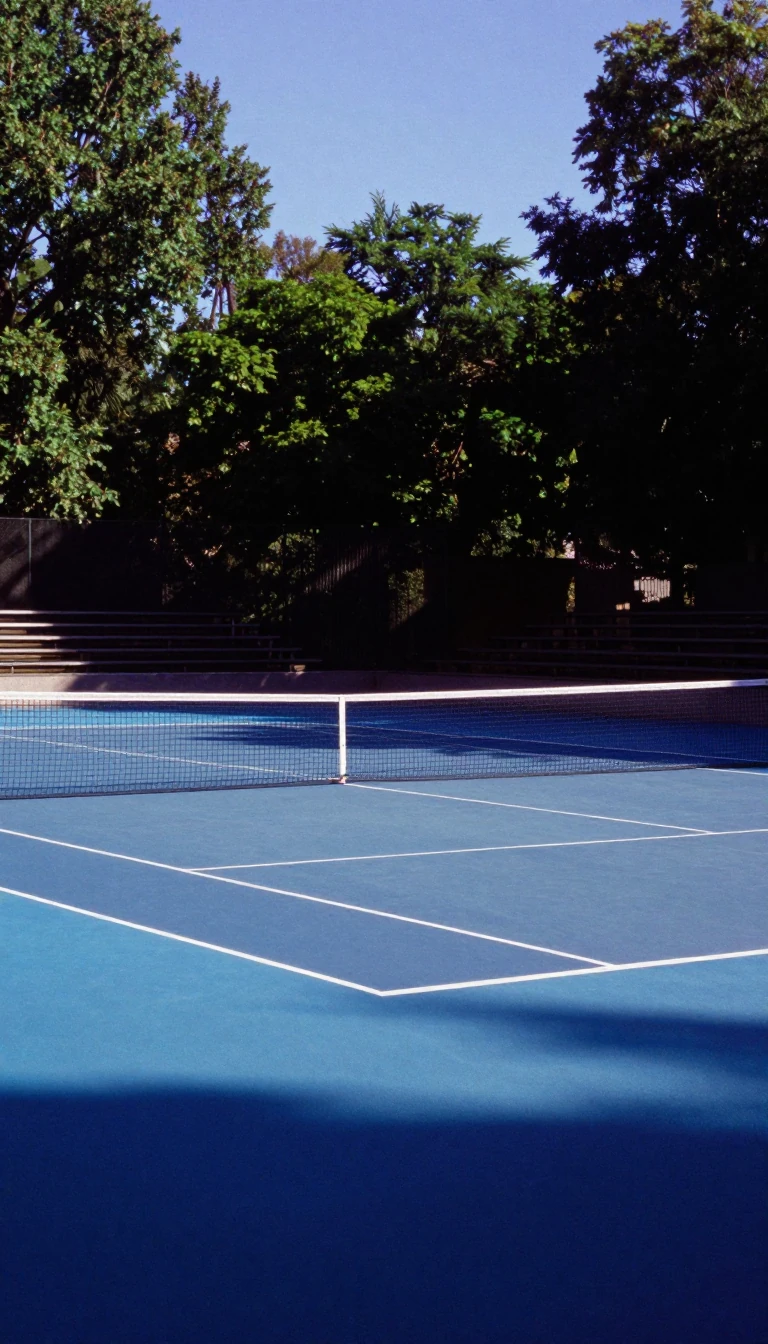
In short: Modern tennis balls are marvels of aerodynamics, but their history is surprisingly strange. Before today's pressurized, felt-covered spheres, early versions were crafted from materials as diverse as human hair, putty, and animal intestines. Today, these balls generate 20,000 tonnes of waste annually, prompting creative new efforts in environmental recycling.
The tennis ball has undergone a radical transformation since the 16th century, when Scottish craftsmen fashioned them from animal fur, rope, and pine wood. Archaeological finds from Westminster Hall, dating to the reign of Henry VIII, reveal that some early balls were even stuffed with a mixture of putty and human hair. By the 18th century, construction shifted toward tightly wound wool strips wrapped in cloth, a far cry from the high-tech, pressurized rubber spheres used in professional play today.
The modern game, known as lawn tennis, emerged in the 1870s thanks to pioneers like Walter Clopton Wingfield and Harry Gem. Initially, these balls were simple, unclad vulcanized rubber imported from Germany. It was John Moyer Heathcote who introduced the now-standard flannel covering, which modifies aerodynamic properties by delaying flow separation in the boundary layer, thereby reducing drag. The transition to hollow, gas-pressurized cores allowed for the consistent bounce required for regulation play, with balls now tested by dropping them from a height of 254 cm.
Visual technology drove the most iconic change in the ball's appearance. While white or black balls were the norm for decades, the International Tennis Federation introduced 'optic yellow' in 1972 to improve visibility on television broadcasts. Despite this shift, the color remains a point of mild controversy, with polls suggesting a slight majority of people perceive the color as green. Wimbledon, known for its adherence to tradition, did not adopt the yellow ball until 1986.
Today, the industry produces approximately 325 million balls annually, creating a significant environmental challenge due to non-biodegradable rubber waste. While recycling has historically been rare, some organizations have begun repurposing used balls from major tournaments like Wimbledon to create habitats for the Eurasian harvest mouse. This marks a shift from the ball's historical role as a mere sporting tool or, as famously depicted in Shakespeare’s Henry V, a symbolic insult between monarchs.
Opens the Intellect+ feed with this card first. Swipe up for the next one.
Sources
- Summary by Intellect · source: Tennis ball
- Also: Wikidata — Tennis Ball · CC0
- Also: Wikidata — tennis ball · CC0
To cite this card, link to https://intellectplus.co.uk/app/sport-tennis-ball.
How we source, check and correct cards: Editorial standards.
General information, not professional advice. Spotted an error? Flag the card or see corrections and complaints.
Intellect Plus is a visual educational discovery platform for exploring fascinating facts and ideas. Brain Food, Not Brain Rot. What is Intellect Plus?
Related
More in Sports · More in Sport & Games · Latest · A–Z · All topics
