The hidden history of the paths beneath our feet and why they matter
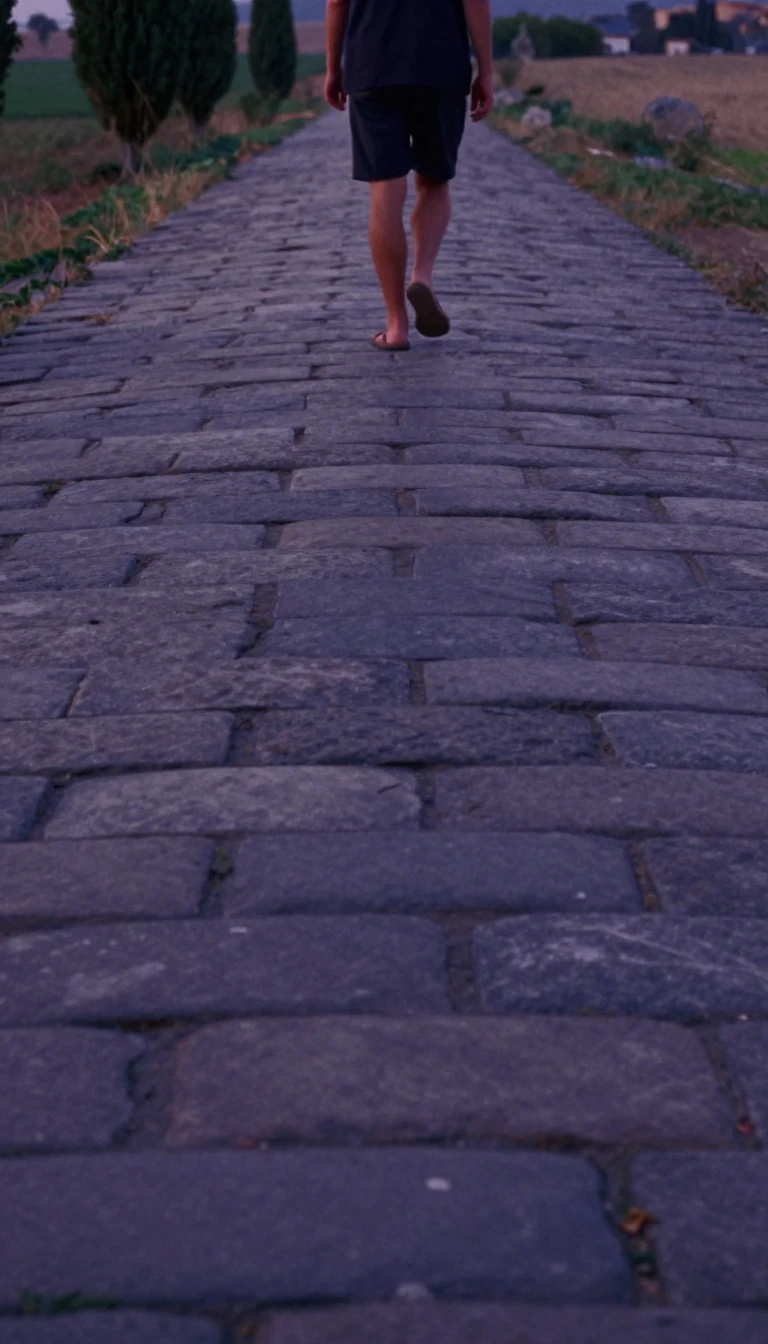
In short: Public footpaths are more than simple walkways; they are ancient rights of way forged by centuries of travel to markets, churches, and burial grounds. Today, these routes face modern pressures, from urban development and private land disputes to the complex legal battles required to keep them open for everyone.
Public footpaths originated as essential conduits for rural life, connecting communities to work, school, and worship. Among the most historically significant are mass paths, which led parishioners to Sunday services, and corpse roads, which provided a solemn, practical route for transporting the deceased to distant cemeteries. These paths often traversed private farmland, necessitating the use of stiles and plank bridges to navigate boundaries. While many have evolved into recreational trails, their survival often depends on legal protections that vary significantly by region.
In England and Wales, the legal status of a path is defined by the definitive map, a statutory record maintained by local authorities. This system emerged from a long history of advocacy, notably by the Open Spaces Society, which formed in 1899 and successfully campaigned for paths to be officially documented. Today, the UK boasts over 427,000 footpaths, covering more than 105,000 miles. However, this vast network is not without friction. Landowners have frequently clashed with the public over access, leading to high-profile legal battles, such as the 13-year struggle to reopen a path blocked by property tycoon Nicholas Van Hoogstraten in 1999.
Modern challenges extend beyond simple access. In rural areas, paths can be obstructed by overgrown vegetation, illegal fencing, or conflicts with livestock, while urban footpaths face issues like litter and maintenance. Meanwhile, in North America, initiatives like the Grand Concourse in Newfoundland demonstrate a contemporary shift toward integrating walkways into urban infrastructure to improve livability. Whether they are ancient corpse roads or modern urban alleys, these paths remain vital, serving as both a physical connection to our history and a necessary component of accessible, non-motorized transportation in the modern world.
Opens the Intellect+ feed with this card first. Swipe up for the next one.
Sources
- Summary by Intellect · source: Footpath
- Also: Wikidata — footpath · CC0
To cite this card, link to https://intellectplus.co.uk/app/sport-footpath.
How we source, check and correct cards: Editorial standards.
General information, not professional advice. Spotted an error? Flag the card or see corrections and complaints.
Intellect Plus is a visual educational discovery platform for exploring fascinating facts and ideas. Brain Food, Not Brain Rot. What is Intellect Plus?
Related
More in Ground transport · More in Sport & Games · Latest · A–Z · All topics
