Why cities lifted their trains above the streets to keep traffic moving
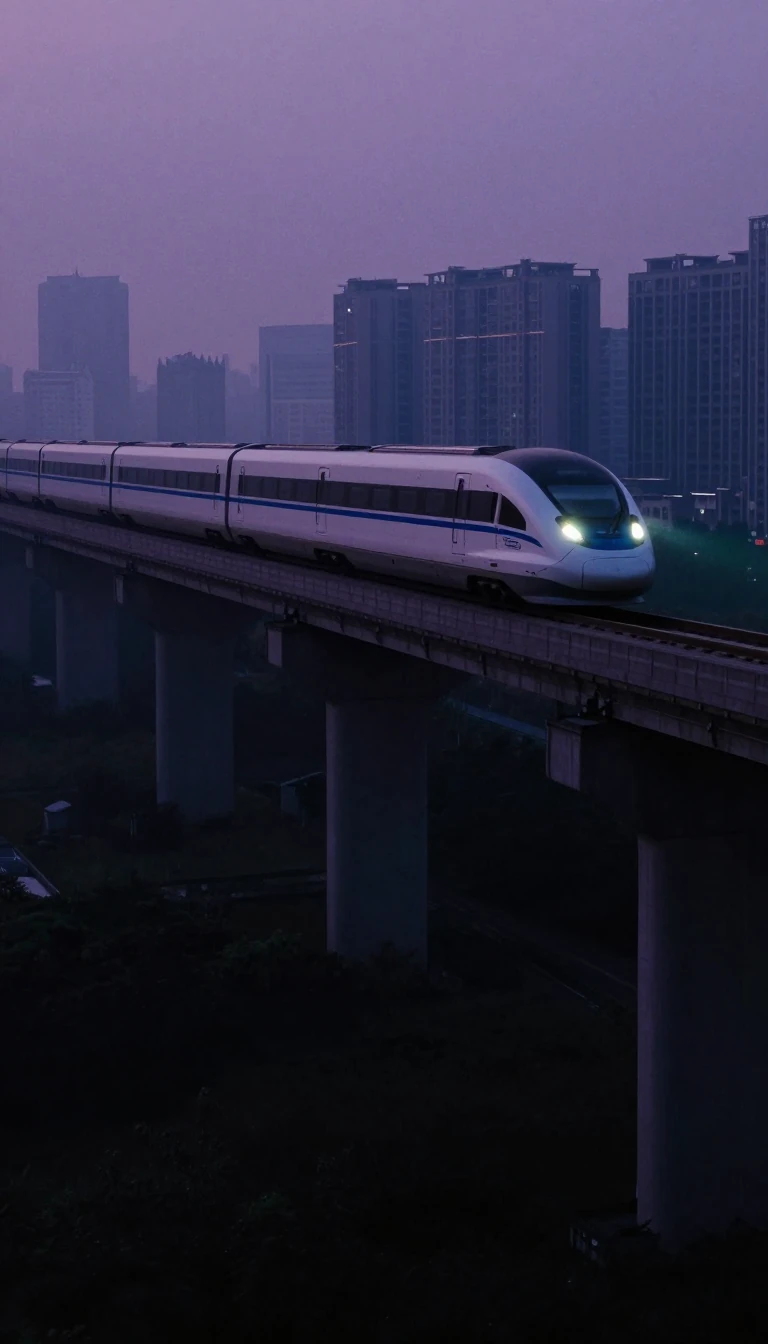
In short: Elevated railways transformed urban transit by moving tracks above street level, solving the chaos of level crossings. From the brick arches of 19th-century London to the driverless, automated systems of today, these structures have evolved from steam-powered relics into the backbone of modern, high-speed metropolitan mobility across the globe.
The concept of the elevated railway emerged as a solution to the logistical nightmare of urban congestion. The London and Greenwich Railway, completed in 1838, pioneered this approach by utilizing a massive brick viaduct consisting of 878 arches. This early success demonstrated that separating rail traffic from street-level activity was essential for efficiency in densely populated areas where level crossings were simply impractical.
By the late 1860s, the technology gained significant traction in the United States. New York’s West Side and Yonkers Patent Railway, which opened in 1868, initially relied on cable-hauling before transitioning to locomotives in 1871. This era of rapid expansion saw the rise of iconic systems like the Chicago L, which began construction in 1892, and the Boston Elevated Railway in 1901. These systems were typically constructed from steel, cast iron, or concrete, creating a distinct visual presence that could be observed directly from the streets below.
Technological innovation continued to push the boundaries of elevated transit throughout the 20th century. The Liverpool Overhead Railway, launched in 1893, became the first electric elevated line, setting a precedent for the electrified networks that dominate today. Modern systems have since moved toward automation; for instance, the Docklands Light Railway in London and the Yurikamome line in Tokyo operate as driverless, automated services. Today, elevated infrastructure encompasses diverse forms, including monorails, suspension railways, and automated people movers, proving that the strategy of lifting transit above the ground remains a vital mechanism for managing the flow of people in the world's most complex cities.
Opens the Intellect+ feed with this card first. Swipe up for the next one.
Sources
- Summary by Intellect · source: Elevated railway
- Also: Wikidata — elevated railway · CC0
- Also: Wikidata — Elevated Railway in the Streets of New York · CC0
To cite this card, link to https://intellectplus.co.uk/app/sport-elevated-railway.
How we source, check and correct cards: Editorial standards.
General information, not professional advice. Spotted an error? Flag the card or see corrections and complaints.
Intellect Plus is a visual educational discovery platform for exploring fascinating facts and ideas. Brain Food, Not Brain Rot. What is Intellect Plus?
Related
More in Ground transport · More in Sport & Games · Latest · A–Z · All topics
