The GP2 Series was designed to prove driver talent by standardizing every single machine.
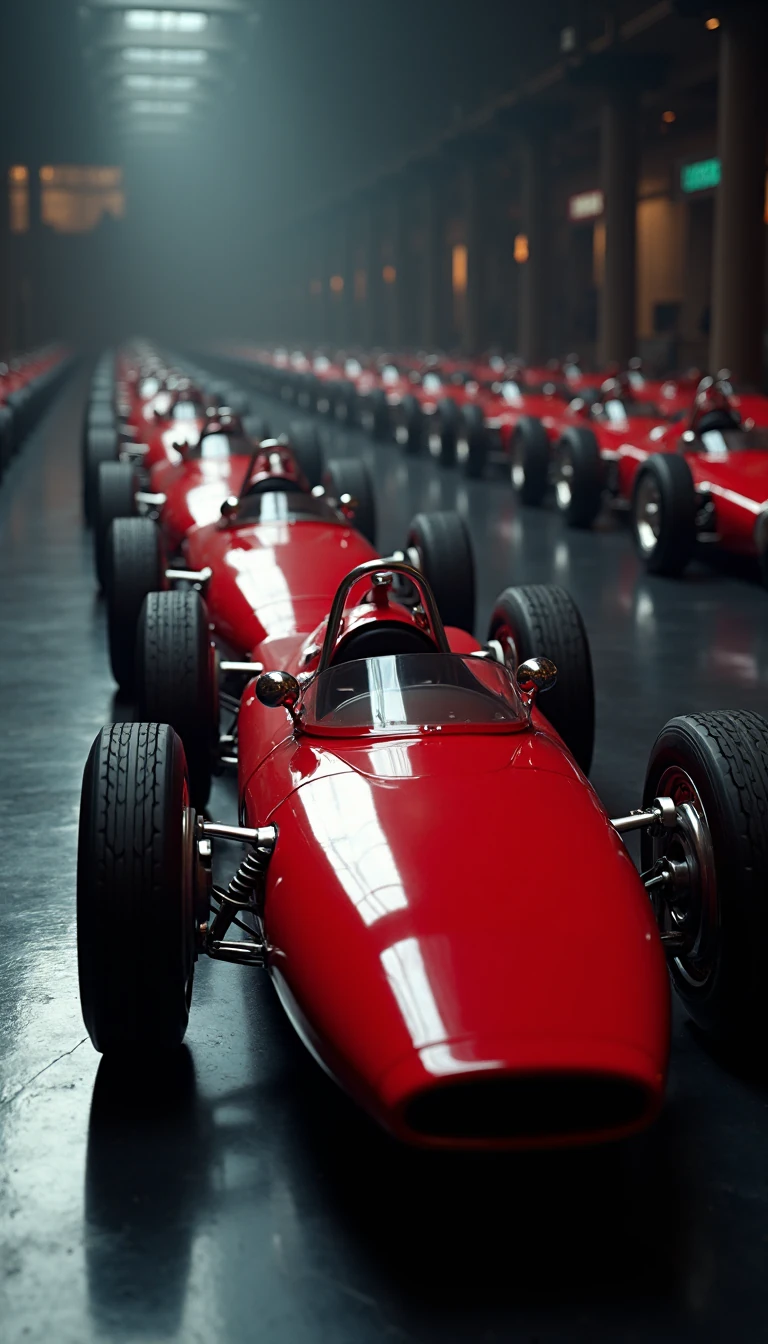
In short: To identify the next generation of Formula One stars, the GP2 Series stripped away mechanical advantages. By mandating identical chassis, engines, and tyres for every team, the series ensured that success depended on driver ability rather than engineering budgets, turning the track into a pure laboratory for future world champions.
Launched in 2005 to replace the defunct Formula 3000, the GP2 Series was conceived by Bernie Ecclestone and Flavio Briatore to serve as a rigorous training ground for Formula One. Organized by Bruno Michel, the series operated on a philosophy of strict technical parity. Every team utilized the same Dallara carbon-fiber monocoque chassis and Mecachrome 4.0-litre V8 engines, which were leased and distributed on a serial-number basis to ensure absolute fairness. This standardization extended to components like O.Z. Racing wheel rims, Brembo brakes, and Pirelli tyres, effectively forcing teams to compete on setup and driver skill rather than hardware superiority.
The series was strategically integrated into the Formula One calendar, with most races held as support events during Grand Prix weekends. This allowed drivers to gain vital experience in the professional environment of F1 infrastructure, including medical facilities and marshals. The format was demanding, featuring a feature race on Saturday and a shorter sprint race on Sunday, where the top eight finishers from the previous day started in reverse order. This structure tested versatility, as drivers had to manage tyre degradation and pit stops under intense pressure, often reaching top speeds of 332 km/h in later specifications.
The success of the series as a pipeline is evidenced by its alumni. By the end of the 2016 season, 75% of the series' champions had secured Formula One seats. Drivers like Lewis Hamilton, who won the F1 World Championship in his second year, and Nico Rosberg demonstrated the efficacy of the GP2 training model. While some drivers reached F1 through other paths, the series remained a primary proving ground, eventually rebranding as the FIA Formula 2 Championship in 2017. Its legacy remains defined by its ability to produce highly competitive racers who could transition seamlessly into the highest level of motorsport.
Opens the Intellect+ feed with this card first. Swipe up for the next one.
Sources
- Summary by Intellect · source: GP2 Series
- Also: Wikidata — GP2 Series · CC0
- Also: Wikidata — GP2 Series · CC0
To cite this card, link to https://intellectplus.co.uk/app/sport-gp2-series.
How we source, check and correct cards: Editorial standards.
General information, not professional advice. Spotted an error? Flag the card or see corrections and complaints.
Intellect Plus is a visual educational discovery platform for exploring fascinating facts and ideas. Brain Food, Not Brain Rot. What is Intellect Plus?
Related
More in Motorsport · More in Sport & Games · Latest · A–Z · All topics
