The golden goal: why football's most dramatic tie-breaker was abandoned after a decade
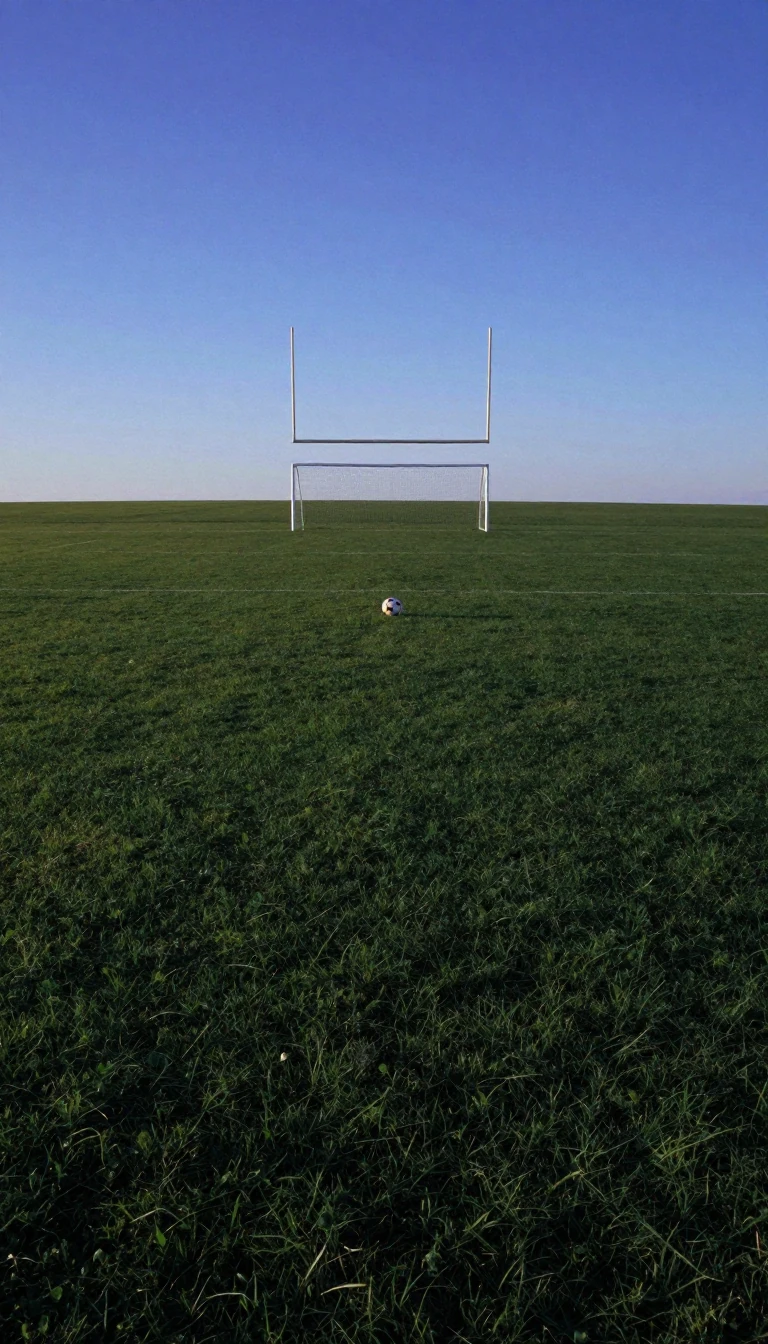
In short: Introduced by FIFA in 1993 to discourage defensive extra-time play, the golden goal ended matches instantly upon a score. While it produced iconic moments, the rule failed to increase attacking intensity and often caused more caution. By 2004, football authorities abolished the experiment, reverting to traditional extra-time and penalty shootouts.
The golden goal was a sudden-death tie-breaker designed to resolve drawn matches in knockout tournaments. FIFA formally adopted the rule in 1993, hoping to incentivize aggressive play during extra time and reduce the reliance on penalty shootouts, which were frequently criticized as unrepresentative of the sport. The concept was not entirely new; organized football had experimented with similar sudden-death rules as early as the 1867 Youdan Cup, where Norfolk FC defeated Broomhall FC in extra time.
Throughout the 1990s and early 2000s, the golden goal defined several major international moments. Germany secured the 1996 European Championship with an Oliver Bierhoff goal, and France claimed the 2000 European Championship title through David Trezeguet. However, the rule also invited controversy and manipulation. In a 1994 Caribbean Cup qualifier, Barbados intentionally scored an own goal to force extra time against Grenada, exploiting a bizarre rule that counted golden goals as double in goal difference calculations.
By 2003, UEFA introduced the silver goal as a compromise, allowing teams to finish the first 15-minute period of extra time if a goal was scored. This was intended to mitigate the immediate jeopardy of the golden goal, but it proved similarly unpopular. Both methods were ultimately removed from the Laws of the Game by the IFAB in 2004. While the golden goal vanished from FIFA-authorized football, the concept persists in various forms across other sports, such as the NHL's sudden-death overtime and the National Rugby League's golden point.
The legacy of the golden goal remains complex. While it created high-stakes drama, it failed to achieve its primary objective of fostering more attacking football. Instead, teams often played with increased caution, fearing the immediate, irreversible impact of conceding. Today, most major football tournaments have returned to the standard format of two full 15-minute periods of extra time followed by a penalty shootout if the score remains level.
Opens the Intellect+ feed with this card first. Swipe up for the next one.
Sources
- Summary by Intellect · source: Golden goal
- Also: Wikidata — golden goal · CC0
- Also: Wikidata — Golden goal Dmel_CG32227 · CC0
To cite this card, link to https://intellectplus.co.uk/app/sport-golden-goal.
How we source, check and correct cards: Editorial standards.
General information, not professional advice. Spotted an error? Flag the card or see corrections and complaints.
Intellect Plus is a visual educational discovery platform for exploring fascinating facts and ideas. Brain Food, Not Brain Rot. What is Intellect Plus?
Related
More in Sports and recreation · More in Sport & Games · Latest · A–Z · All topics
