Why India’s ambitious Formula One dream stalled after just three years of racing
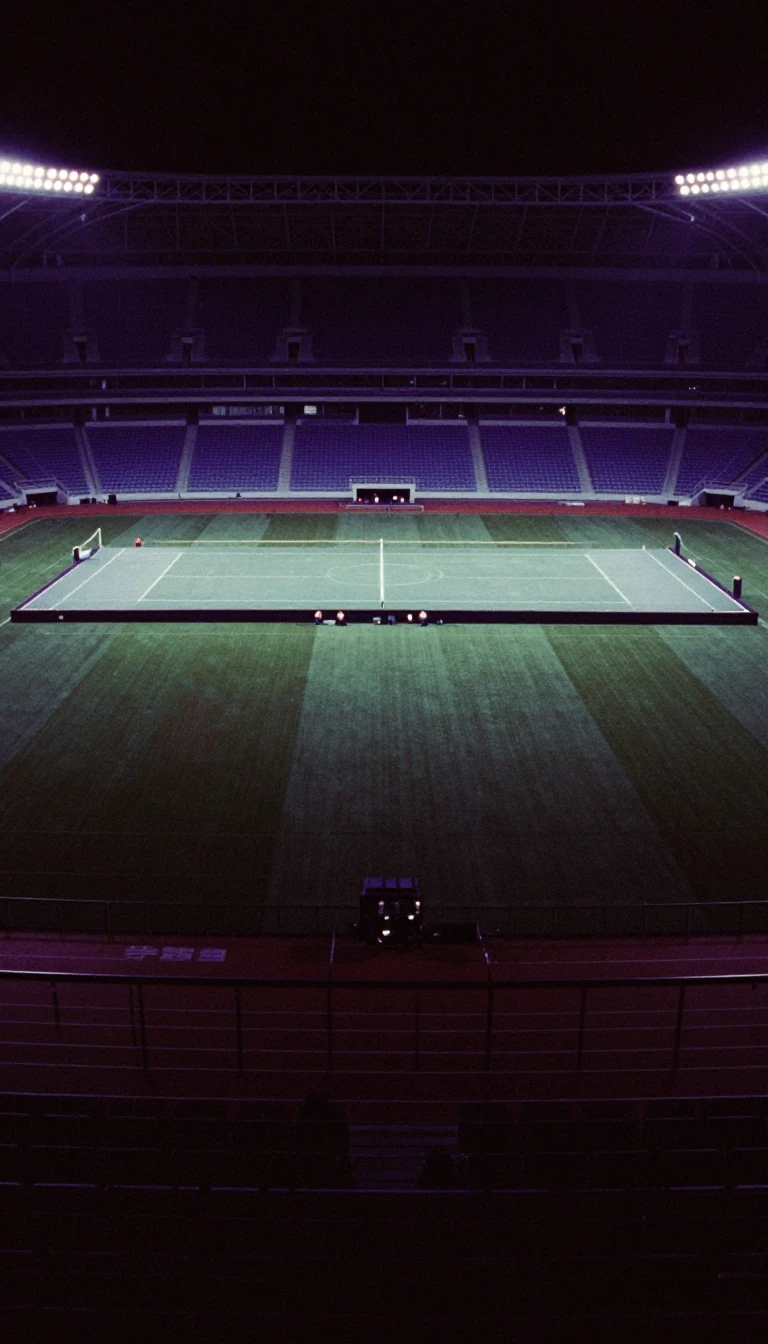
In short: Between 2011 and 2013, the Buddh International Circuit hosted India's only Formula One races. Despite high hopes for economic growth and global prestige, the event vanished from the calendar. A complex mix of bureaucratic hurdles, shifting government policies, and financial disagreements ultimately brought the high-speed experiment to a permanent halt.
The journey to bring Formula One to India was long and fraught with competition between states. As early as 1997, plans were floated for a race in Calcutta, followed by serious interest from Hyderabad, Bangalore, and Mumbai. By 2007, the field had narrowed to five potential locations, including Gurgaon and Lucknow. Eventually, the Buddh International Circuit in Greater Noida, Uttar Pradesh, was selected as the permanent home for the event.
Designed by German architect Hermann Tilke, the 5.125 km track required moving four million cubic tons of earth to create its signature elevation changes. The project was managed by Jaypee Sports International Limited, which signed a five-year contract with Formula One Management. Organizers anticipated significant economic benefits, projecting $170 million in revenue and the creation of 10,000 jobs. Unlike many other venues at the time, the race was not government-subsidized, requiring the organizers to pay $40 million annually to host the championship.
The event’s downfall was triggered by a fundamental disagreement over its classification. The Uttar Pradesh government, under Chief Minister Akhilesh Yadav, argued that Formula One was entertainment rather than a sport, leading to the imposition of heavy taxes. This fiscal friction, combined with broader disputes between the FIA and local authorities, led to the cancellation of the 2014 and 2015 editions. Although there were initial hopes for a 2016 return, no resolution was reached, and the circuit has not hosted a Grand Prix since.
The legacy of the Indian Grand Prix remains a case study in the challenges of hosting elite global sports. While the track was built to world-class standards, the inability to reconcile commercial interests with local government policy effectively ended India's tenure on the F1 calendar. Today, the circuit stands as a reminder of the ambitious, yet ultimately unsustainable, effort to establish a permanent home for motorsport in the country.
Opens the Intellect+ feed with this card first. Swipe up for the next one.
Sources
- Summary by Intellect · source: Indian Grand Prix
- Also: Wikidata — Indian Grand Prix · CC0
To cite this card, link to https://intellectplus.co.uk/app/sport-indian-grand-prix.
How we source, check and correct cards: Editorial standards.
General information, not professional advice. Spotted an error? Flag the card or see corrections and complaints.
Intellect Plus is a visual educational discovery platform for exploring fascinating facts and ideas. Brain Food, Not Brain Rot. What is Intellect Plus?
Related
More in Motorsport · More in Sport & Games · Latest · A–Z · All topics
