Why the humble passenger train remains the ultimate master of efficient mass transit
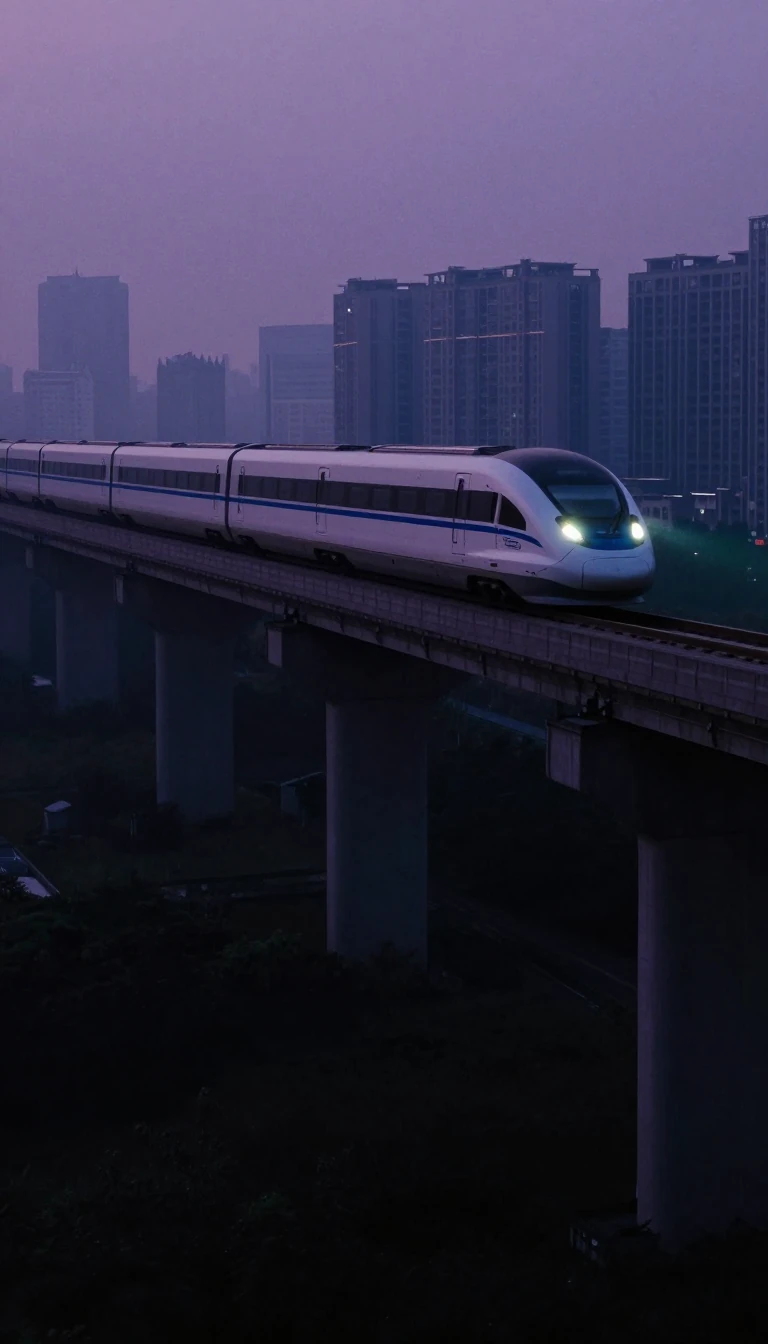
In short: While modern aviation dominates long-distance travel, the passenger train remains a technological marvel of efficiency. By operating on dedicated rights-of-way, these systems bypass road congestion and move thousands of commuters with ease. From high-speed bullet trains to heritage lines, rail travel continues to redefine how we navigate our world.
The evolution of passenger rail began in 1804 at the Penydarren Ironworks in Wales, where Richard Trevithick’s engine hauled 70 employees over nine miles. By 1825, the Stockton and Darlington Railway introduced the first public steam-powered passenger service, reaching speeds of 15 miles per hour. This early momentum accelerated through the 19th century, with the first electric passenger train debuting at the 1879 Berlin Industrial Exposition, followed by the successful Gross-Lichterfelde commercial line in 1880.
Today, high-speed rail represents the pinnacle of this technology, generally defined as systems operating at speeds exceeding 200 km/h. Japan’s Shinkansen, launched in 1964, set the standard for the modern bullet train. These systems are often more cost-effective and time-efficient than air travel for distances under 600 km, as they avoid the lengthy check-in and boarding delays inherent in aviation. Furthermore, innovations like tilting technology—seen in the Acela and Pendolino—allow trains to maintain stability and passenger comfort even on curved tracks.
Beyond speed, the versatility of rail is unmatched. Commuter services utilize bi-level cars to transport over 1,000 passengers per train, dwarfing the capacity of road vehicles. Meanwhile, the environmental impact is significantly lower than other modes of transit, with rail emitting only 2% to 27% of the carbon dioxide produced by air travel per mile. Whether through high-speed inter-city connections or regional lines that serve smaller communities, the passenger train remains a vital, sustainable, and highly efficient backbone of global transportation infrastructure.
Opens the Intellect+ feed with this card first. Swipe up for the next one.
Sources
- Summary by Intellect · source: Passenger train
- Also: Wikidata — passenger train · CC0
- Also: Wikidata — passenger train · CC0
To cite this card, link to https://intellectplus.co.uk/app/sport-passenger-train.
How we source, check and correct cards: Editorial standards.
General information, not professional advice. Spotted an error? Flag the card or see corrections and complaints.
Intellect Plus is a visual educational discovery platform for exploring fascinating facts and ideas. Brain Food, Not Brain Rot. What is Intellect Plus?
Related
More in Ground transport · More in Sport & Games · Latest · A–Z · All topics
