Why the world's heaviest trains are the key to efficient global logistics
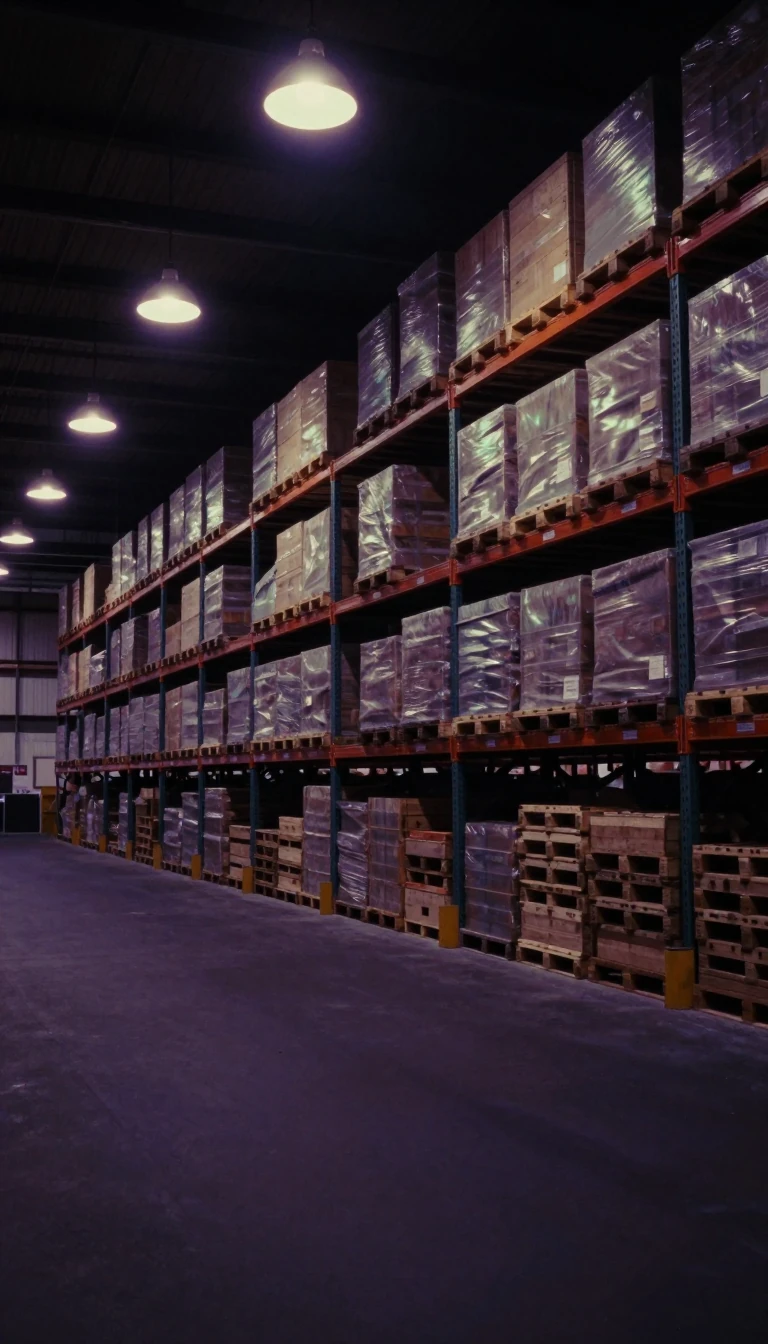
In short: Rail freight is the backbone of global trade, moving massive quantities of bulk commodities and intermodal containers across continents. By leveraging economies of scale, railways offer an energy-efficient alternative to road transport. From double-stack trains to automated hopper cars, the industry is constantly evolving to reduce costs and speed delivery.
Rail freight operates on the principle of economies of scale, where moving large volumes of goods over long distances significantly lowers operating costs. Bulk commodities like coal, ore, and grain form the majority of tonnage, often transported in specialized hopper cars that allow for rapid loading and discharge. In extreme cases, such as China's Daqin Railway, trains can carry tens of thousands of tonnes of cargo daily, with individual wagons bearing loads of up to 130 tonnes.
The rise of containerization has revolutionized the industry by standardizing cargo handling across ships, trucks, and trains. This system allows for seamless transshipment, even across different rail gauges. A major innovation in this space is the double-stack train, pioneered in the United States by the Southern Pacific Railroad in 1977. By stacking two containers vertically, operators can double their capacity on a single train. While this requires generous vertical clearances, it has become the dominant method for intermodal transport in the U.S. and is increasingly utilized in countries like India and China.
Despite these advancements, rail networks face significant hurdles, including geographical barriers, political conflicts, and technical incompatibilities like varying track gauges and coupling systems. In Europe, the 2019 European Green Deal highlights the environmental necessity of shifting freight from roads to rail. However, historical infrastructure often limits efficiency; many manufacturing towns were built before the railway, necessitating costly transshipment. Modern efforts focus on computerized scheduling, automated coupling, and the expansion of high-capacity corridors to maintain rail's competitive edge against trucking and barge transport in an era of rapid online commerce.
Opens the Intellect+ feed with this card first. Swipe up for the next one.
Sources
- Summary by Intellect · source: Rail freight transport
- Also: Wikidata — rail freight transport · CC0
- Also: Wikidata — rail freight transport route · CC0
To cite this card, link to https://intellectplus.co.uk/app/sport-rail-freight-transport.
How we source, check and correct cards: Editorial standards.
General information, not professional advice. Spotted an error? Flag the card or see corrections and complaints.
Intellect Plus is a visual educational discovery platform for exploring fascinating facts and ideas. Brain Food, Not Brain Rot. What is Intellect Plus?
Related
More in Ground transport · More in Sport & Games · Latest · A–Z · All topics
