How heating materials without air unlocked the chemical secrets of the natural world
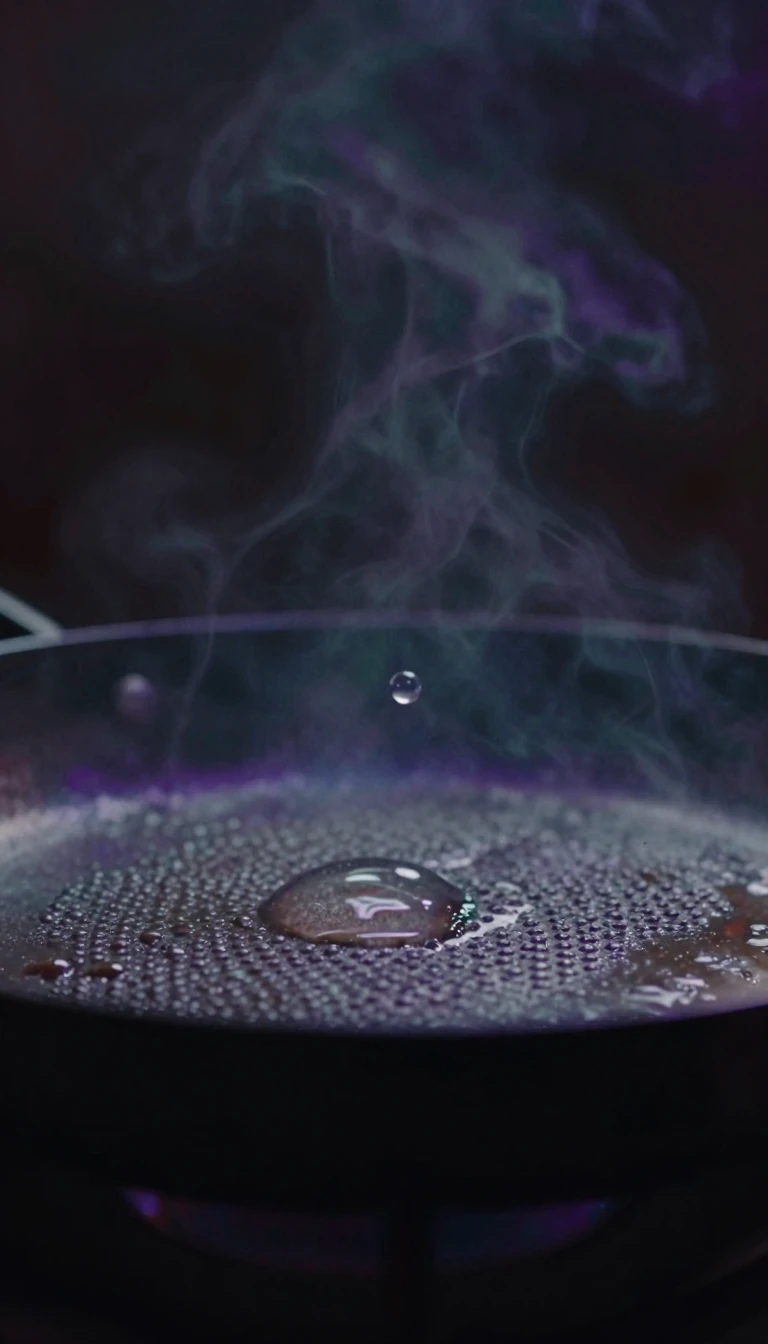
In short: Destructive distillation is an ancient technique that breaks down complex organic matter by heating it in the absence of air. By cracking large molecules into smaller, volatile compounds, this process helped early chemists deduce the structure of natural materials and remains a cornerstone of modern industrial recycling and chemical synthesis.
At its core, destructive distillation is a form of pyrolysis. By subjecting unprocessed organic material to high temperatures without oxygen, the process forces large, complex molecules to break apart. While inorganic feedstocks typically yield a limited range of products, organic materials can produce hundreds of distinct compounds. These range from low-molecular-weight gases and liquids to dense, heat-stable tars and solid chars. Unlike combustion, which consumes most organic matter, destructive distillation leaves behind significant solid residues, making it a precise tool for isolating specific chemical components.
The historical roots of this process are deep, tracing back to traditional charcoal burning and the ancient production of wood-derived substances. Pliny the Elder, writing in his Natural History between 23/24 and 79 CE, documented how pine wood could be distilled into aromatic oils and pitch. These early methods were not merely primitive; they provided the foundational knowledge for modern chemistry. By analyzing the products of these destructive processes, early researchers were able to identify the structures of complex molecules like pyranoses and furanoses long before they could synthesize them directly in a laboratory.
Today, the process has evolved into a sophisticated industrial operation. Coal remains a primary feedstock, yielding coke, ammonia liquor, coal tar, and coal gas in specific proportions. Beyond coal, the technique is vital for producing methanol and acetic acid from wood, and it played a pivotal role in the discovery of isoprene, which paved the way for synthetic rubbers like neoprene. As industry shifts toward sustainability, destructive distillation is gaining renewed attention as a promising method for recycling monomers from waste polymers, proving that this ancient method of thermal decomposition remains essential to modern material science.
Opens the Intellect+ feed with this card first. Swipe up for the next one.
Sources
- Summary by Intellect · source: Destructive distillation
To cite this card, link to https://intellectplus.co.uk/app/science-destructive-distillation.
How we source, check and correct cards: Editorial standards.
General information, not professional advice. Spotted an error? Flag the card or see corrections and complaints.
Intellect Plus is a visual educational discovery platform for exploring fascinating facts and ideas. Brain Food, Not Brain Rot. What is Intellect Plus?
Related
More in Reactions and synthesis · More in Science · Latest · A–Z · All topics
