How a Japanese Arcade Giant Conquered American Living Rooms With a Cobalt Blue Hedgehog
In short: Sega transformed from a niche importer of coin-operated machines into a global console powerhouse. By embracing an edgy, aggressive marketing strategy and a lightning-fast mascot, the company briefly toppled industry titans in the 1990s, forever changing how video games were marketed, rated, and played in the home.
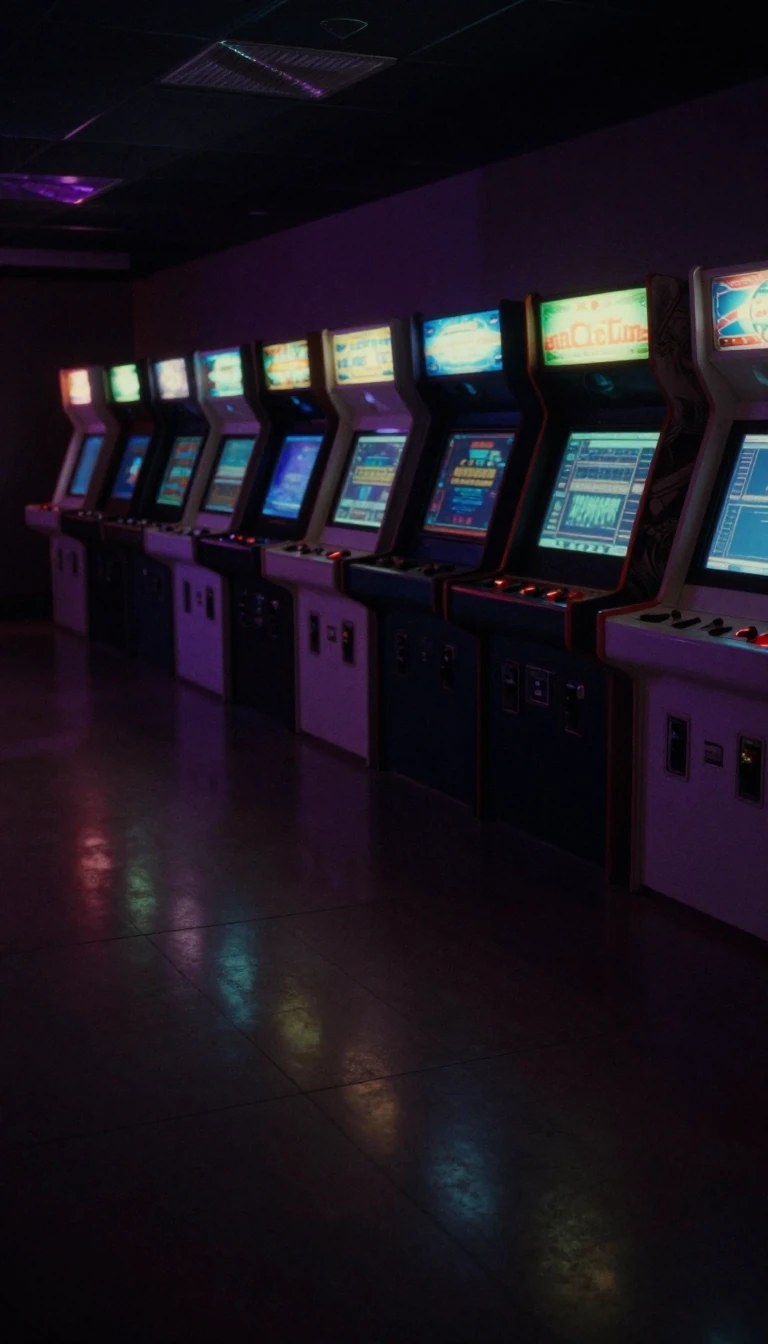
Founded in 1960 as Nihon Goraku Bussan, Sega initially focused on coin-operated amusement machines, including slot machines for military bases. The company's pivot toward video games began in the late 1960s with the electro-mechanical simulator Periscope, which helped establish the standard 25-cent arcade play cost in the United States. By the late 1970s, Sega had become a dominant force in the arcade industry, bolstered by hits like the isometric Zaxxon and the dot-eating Head On.
The 1980s marked a transition into home hardware. After struggling with the SG-1000 and Master System, Sega found its stride with the 1988 launch of the Mega Drive, known as the Genesis in North America. Under the leadership of Tom Kalinske, Sega of America adopted a bold, razor-and-blades business model. By bundling the console with Sonic the Hedgehog—a character designed to embody a can-do attitude—Sega captured roughly two-thirds of the 16-bit console market by early 1992, effectively challenging Nintendo's long-standing ubiquity.
Sega's dominance was short-lived, however, as internal friction and missteps with hardware like the 32X and Saturn hampered its momentum. The company's aggressive "attitude" also drew scrutiny, leading to the creation of the Videogame Rating Council in 1993, a precursor to the industry-wide Entertainment Software Rating Board. By 2001, following commercial struggles with the Dreamcast, Sega ceased manufacturing consoles to focus entirely on third-party software development and publishing.
Today, Sega remains a prolific developer, operating under the Sega Sammy Group. While its hardware era ended, its legacy persists through iconic franchises like Sonic, Yakuza, and Total War. The company continues to manage a diverse portfolio of studios, including Creative Assembly and Atlus, maintaining its presence in both the arcade market and the global digital gaming landscape.
Opens the Intellect+ feed with this card first. Swipe up for the next one.
Sources
- Summary by Intellect · source: Sega
- Also: Wikidata — Sega · CC0
To cite this card, link to https://intellectplus.co.uk/app/sport-sega.
How we source, check and correct cards: Editorial standards.
General information, not professional advice. Spotted an error? Flag the card or see corrections and complaints.
Intellect Plus is a visual educational discovery platform for exploring fascinating facts and ideas. Brain Food, Not Brain Rot. What is Intellect Plus?
Related
More in Motorsport · More in Sport & Games · Latest · A–Z · All topics
