Why Sega's Master System conquered the world everywhere except Japan and North America
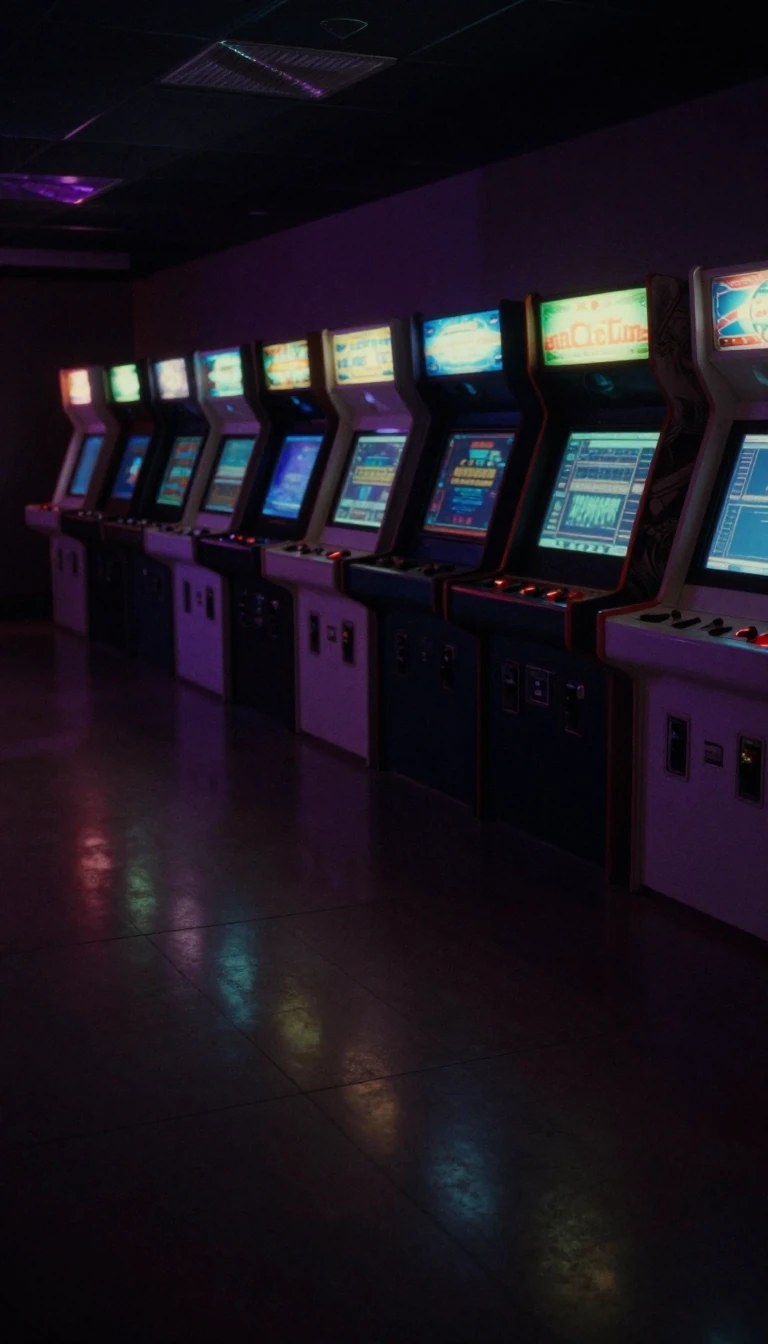
In short: While Nintendo dominated the living rooms of the United States and Japan, Sega’s Master System found an unlikely second life. From Brazil to the United Kingdom, the console became a cultural phenomenon, outlasting its competitors and spawning a unique, localized library that kept the 8-bit era alive for decades.
Launched in 1985 as the Mark III in Japan and rebranded as the Master System for Western markets in 1986, Sega’s console was a technical powerhouse. It boasted four times the system memory and eight times the video memory of the Nintendo Entertainment System (NES). Despite this superior hardware, Sega struggled to overcome Nintendo’s aggressive licensing policies, which prevented third-party developers from publishing games on competing consoles. By 1988, Nintendo held 83 percent of the North American market, relegating the Master System to a distant second place.
The console’s trajectory shifted dramatically outside of the NTSC regions. In Europe, Virgin Mastertronic positioned the system as a high-quality alternative to home computers like the Commodore 64. By 1990, the Master System was the best-selling console in Europe, and it maintained a significant lead in markets like the United Kingdom, Belgium, and Spain well into the 1990s. Similarly, in South Korea, the console was marketed by Samsung as the Gam*Boy and later the Aladdin Boy, outselling the local version of the NES until 1993.
Brazil represents the most remarkable chapter in the console's history. Distributed by the local startup Tectoy, the Master System became a dominant force, capturing 80 percent of the Brazilian market. Tectoy’s strategy went beyond simple distribution; they developed in-house titles, translated games into Portuguese, and even rebranded existing games to match local cultural icons, such as Monica's Gang. This commitment was so profound that Tectoy continued to manufacture and sell licensed Master System variants, including portable and plug-and-play models, long after the console had been discontinued elsewhere. By 2016, Tectoy reported selling 8 million units in Brazil alone, cementing the Master System as a rare example of a console that refused to die.
The legacy of the Master System is defined by its regional disparity. While retrospective critics often highlight its limited library in North America, the PAL-region library—boasting over 300 licensed games—is celebrated for its depth and variety. From the benchmark RPG Phantasy Star to the influential Wonder Boy III: The Dragon's Trap, the console proved that technical superiority could be overshadowed by market dynamics, yet still find enduring success through local adaptation and community support.
Opens the Intellect+ feed with this card first. Swipe up for the next one.
Sources
- Summary by Intellect · source: Master System
- Also: Wikidata — Sega Master System · CC0
To cite this card, link to https://intellectplus.co.uk/app/sport-master-system.
How we source, check and correct cards: Editorial standards.
General information, not professional advice. Spotted an error? Flag the card or see corrections and complaints.
Intellect Plus is a visual educational discovery platform for exploring fascinating facts and ideas. Brain Food, Not Brain Rot. What is Intellect Plus?
Related
More in Games · More in Sport & Games · Latest · A–Z · All topics
