How Sega used a blue hedgehog and reverse engineering to challenge Nintendo's gaming empire
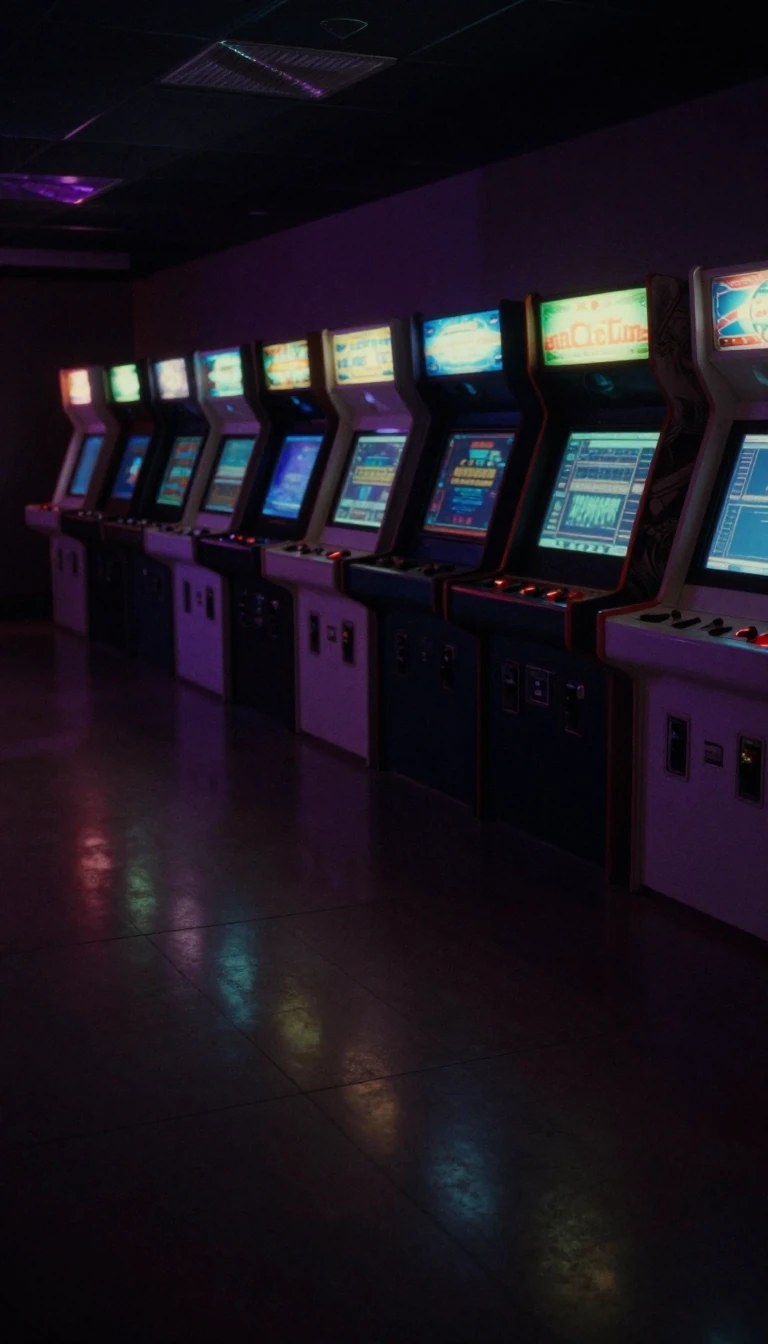
In short: In the early 1990s, Sega transformed from a struggling arcade manufacturer into a global gaming powerhouse. By aggressively marketing its Genesis console as the cool alternative to Nintendo, and leveraging a high-speed mascot named Sonic, Sega briefly seized the majority of the 16-bit market, forever changing the industry's competitive landscape.
The Sega Genesis, known globally as the Mega Drive, emerged from a period of corporate transition. After a downturn in the arcade business in 1982, Sega shifted its focus toward home consoles. Under the leadership of Hayao Nakayama, the company adapted its powerful System 16 arcade architecture into a home system. The design team, overseen by Hideki Sato and Masami Ishikawa, utilized a Motorola 68000 processor to deliver superior performance. Despite a lackluster debut in Japan, the console found immense success in North America and Europe, fueled by a library of arcade ports and a distinct, mature aesthetic inspired by high-end audio equipment.
Sega’s North American strategy relied on aggressive marketing and a shift in leadership. When initial sales targets were missed, Tom Kalinske took the helm, implementing a bold plan that included lowering prices and bundling the console with Sonic the Hedgehog. This move proved decisive, as the fast-paced platformer resonated with adolescents, helping Sega capture 65% of the 16-bit market in the United States by early 1992. The console's popularity sparked a fierce 'console war' with Nintendo, characterized by intense competition and, occasionally, questionable claims regarding sales figures and market dominance.
The rise of the Genesis also forced a re-evaluation of third-party licensing. Electronic Arts, frustrated by restrictive terms, successfully reverse-engineered the console to bypass Sega’s controls, eventually securing a more favorable agreement. Meanwhile, Sega’s legal battles with Accolade over the Trademark Security System—a mechanism designed to block unlicensed software—highlighted the evolving tension between hardware manufacturers and software developers. These conflicts ultimately led to the creation of the Videogame Rating Council, a precursor to the modern industry-standard rating system, as Sega navigated the complexities of rapid growth and public scrutiny over game content.
Opens the Intellect+ feed with this card first. Swipe up for the next one.
Sources
- Summary by Intellect · source: Sega Genesis
- Also: Wikidata — Sega Genesis · CC0
- Also: Wikidata — Sega Genesis Collection · CC0
To cite this card, link to https://intellectplus.co.uk/app/sport-sega-genesis.
How we source, check and correct cards: Editorial standards.
General information, not professional advice. Spotted an error? Flag the card or see corrections and complaints.
Intellect Plus is a visual educational discovery platform for exploring fascinating facts and ideas. Brain Food, Not Brain Rot. What is Intellect Plus?
Related
More in Games · More in Sport & Games · Latest · A–Z · All topics
