How a technical glitch turned a simple arcade game into a global cultural phenomenon
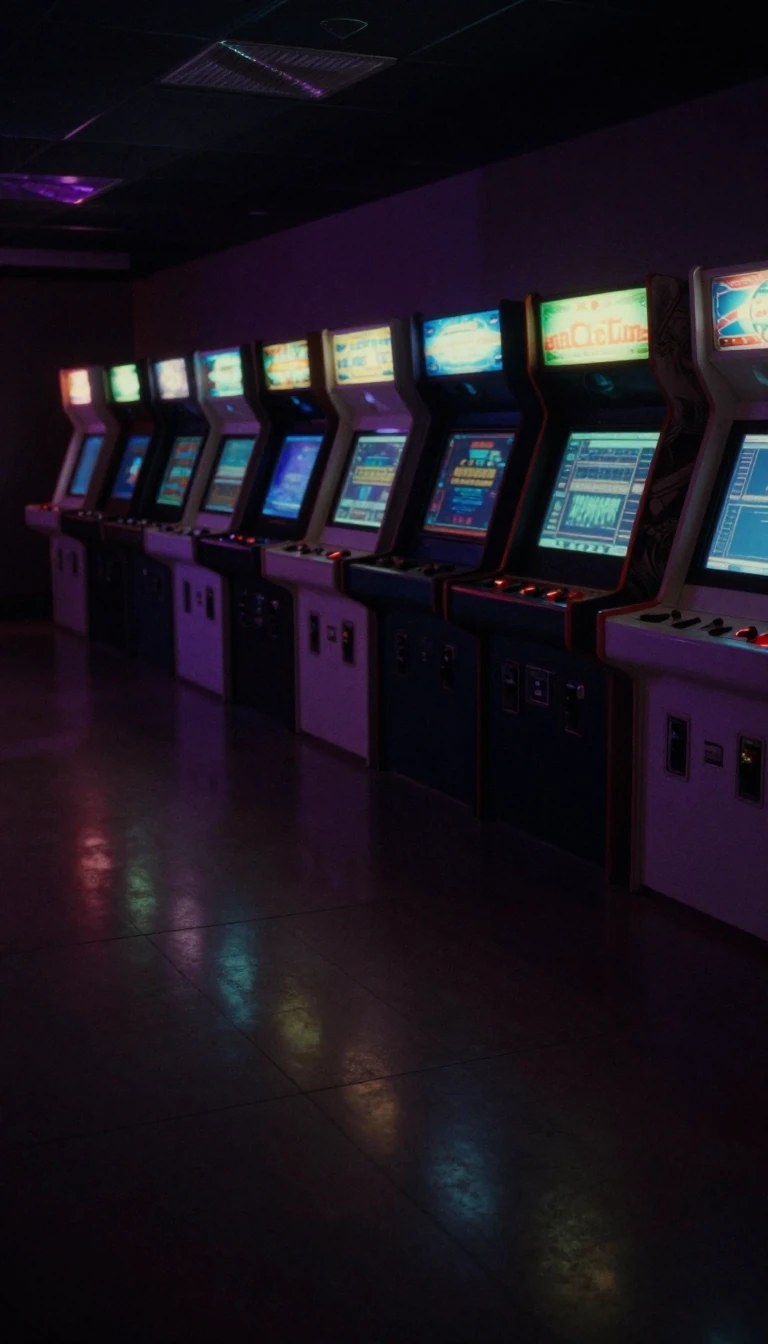
In short: When Tomohiro Nishikado designed Space Invaders, he struggled with the hardware limitations of his era. He accidentally discovered that fewer enemies on screen allowed the processor to run faster, creating an unintended difficulty curve. This glitch became the game's defining feature, sparking a worldwide obsession that redefined the entertainment industry.
Released by Taito in 1978, Space Invaders was the brainchild of Tomohiro Nishikado, who spent a year developing custom hardware to bring his vision to life. Inspired by science fiction narratives like The War of the Worlds and Star Wars, Nishikado sought to create a game that offered the same sense of achievement found in target shooting, but with moving enemies. Because he worked alone and built his own tools, the development process was remarkably cost-effective, though he was initially denied credit due to his contract.
The game's most iconic mechanic—the increasing speed of the aliens—was actually a happy accident. Nishikado realized that the processor could render frames faster as the number of aliens decreased. Instead of fixing this, he embraced the speed-up as a core gameplay element. He also replaced the traditional arcade timer with the descending alien formation, forcing players to act before the invaders reached the bottom of the screen. These innovations, combined with the addition of defense bunkers and a bonus mystery ship, created a level of tension that was unprecedented at the time.
Space Invaders became a massive commercial success, grossing billions in adjusted terms and becoming the highest-earning entertainment product of its era. Its influence was profound; it ushered in the golden age of arcade games and established Japan as a powerhouse in the industry. The game was so popular that it spawned dedicated arcades and even influenced the growth of the semiconductor industry in South Korea. In 2016, the title received formal recognition for its historical significance through its inclusion in the World Video Game Hall of Fame.
Despite its initial mixed reception from Taito management, who favored other projects, the game's legacy is undeniable. It was the first title to feature endless gameplay and served as the template for the fixed shooter genre. Even Nishikado, who felt little attachment to the project for two decades, eventually came to view it as his greatest achievement after witnessing its enduring impact on global pop culture.
Opens the Intellect+ feed with this card first. Swipe up for the next one.
Sources
- Summary by Intellect · source: Space Invaders
- Also: Wikidata — Space Invaders · CC0
- Also: Wikidata — Space Invaders · CC0
To cite this card, link to https://intellectplus.co.uk/app/sport-space-invaders.
How we source, check and correct cards: Editorial standards.
General information, not professional advice. Spotted an error? Flag the card or see corrections and complaints.
Intellect Plus is a visual educational discovery platform for exploring fascinating facts and ideas. Brain Food, Not Brain Rot. What is Intellect Plus?
Related
More in Games · More in Sport & Games · Latest · A–Z · All topics
