How a French Navy officer’s invention changed human movement through the water forever
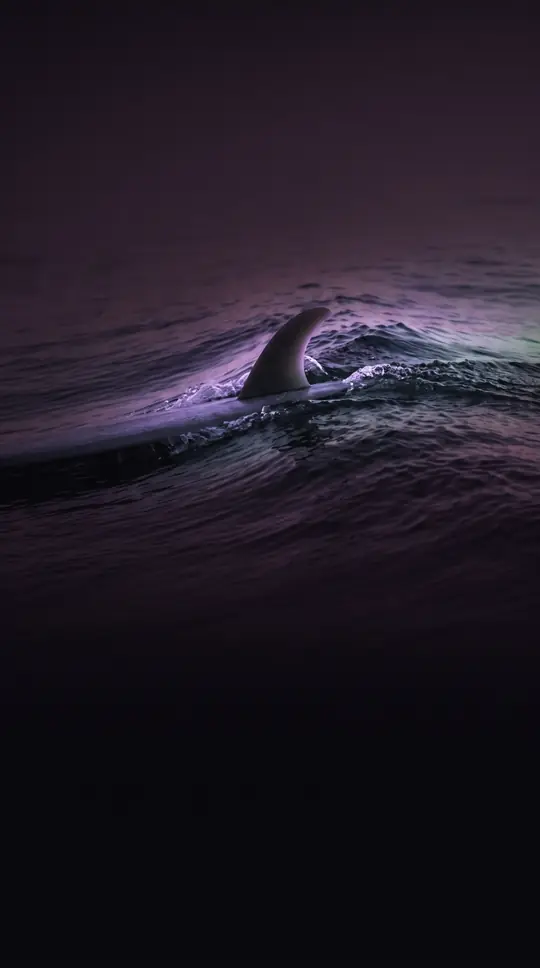
In short: Human feet are notoriously inefficient at generating thrust underwater. To solve this, Louis de Corlieu developed the modern swimfin, a breakthrough that enabled the Normandy landings and transformed recreational diving. From early wooden prototypes to high-tech carbon fiber blades, these tools have evolved into specialized equipment for every aquatic environment.
The modern swimfin traces its lineage to 1933, when French Navy Lieutenant Commander Louis de Corlieu patented his propulseurs de natation et de sauvetage. After years of struggling to manufacture his invention, Corlieu began mass production in 1939 and licensed the design to Owen Churchill in the United States. Churchill rebranded the device as the swimfin, a term that became the standard English name. The US Navy subsequently adopted these fins for its Underwater Demolition Team, providing a critical tactical advantage that facilitated the 1944 Normandy landings.
While early inventors like Leonardo da Vinci and Benjamin Franklin experimented with fin-like concepts inspired by ducks, the post-war era saw rapid innovation in design. In 1948, Luigi Ferraro and Cressi-sub introduced the Rondine, the first full-foot fin. By the 1960s and 70s, specialized designs emerged, such as the vented Jetfin by Georges Beuchat and the Y-shaped Fixe-palmes retainers. Today, fins are engineered for specific tasks: freedivers utilize long, rigid blades to conserve oxygen, while scuba divers often prefer larger, wider fins to overcome the hydrodynamic drag of their gear.
The mechanics of finning are as varied as the equipment itself. Divers employ different techniques—such as the flutter, frog, or dolphin kick—depending on their goals and the environment. While manufacturers often claim that features like split blades or vents improve efficiency, research has sometimes challenged these assertions. For instance, a 2003 study by Pendergast et al. found no significant performance benefit for certain split fin designs or vented fins during flutter kicks. Ultimately, the choice of fin remains a balance between propulsive power, maneuverability, and the specific physical requirements of the diver.
Opens the Intellect+ feed with this card first. Swipe up for the next one.
Sources
- Summary by Intellect · source: Swimfin
- Also: Wikidata — swimfins · CC0
To cite this card, link to https://intellectplus.co.uk/app/sport-swimfin.
How we source, check and correct cards: Editorial standards.
General information, not professional advice. Spotted an error? Flag the card or see corrections and complaints.
Intellect Plus is a visual educational discovery platform for exploring fascinating facts and ideas. Brain Food, Not Brain Rot. What is Intellect Plus?
Related
More in Sports · More in Sport & Games · Latest · A–Z · All topics
