The Central Asian rivalry where football serves as a tool of statecraft
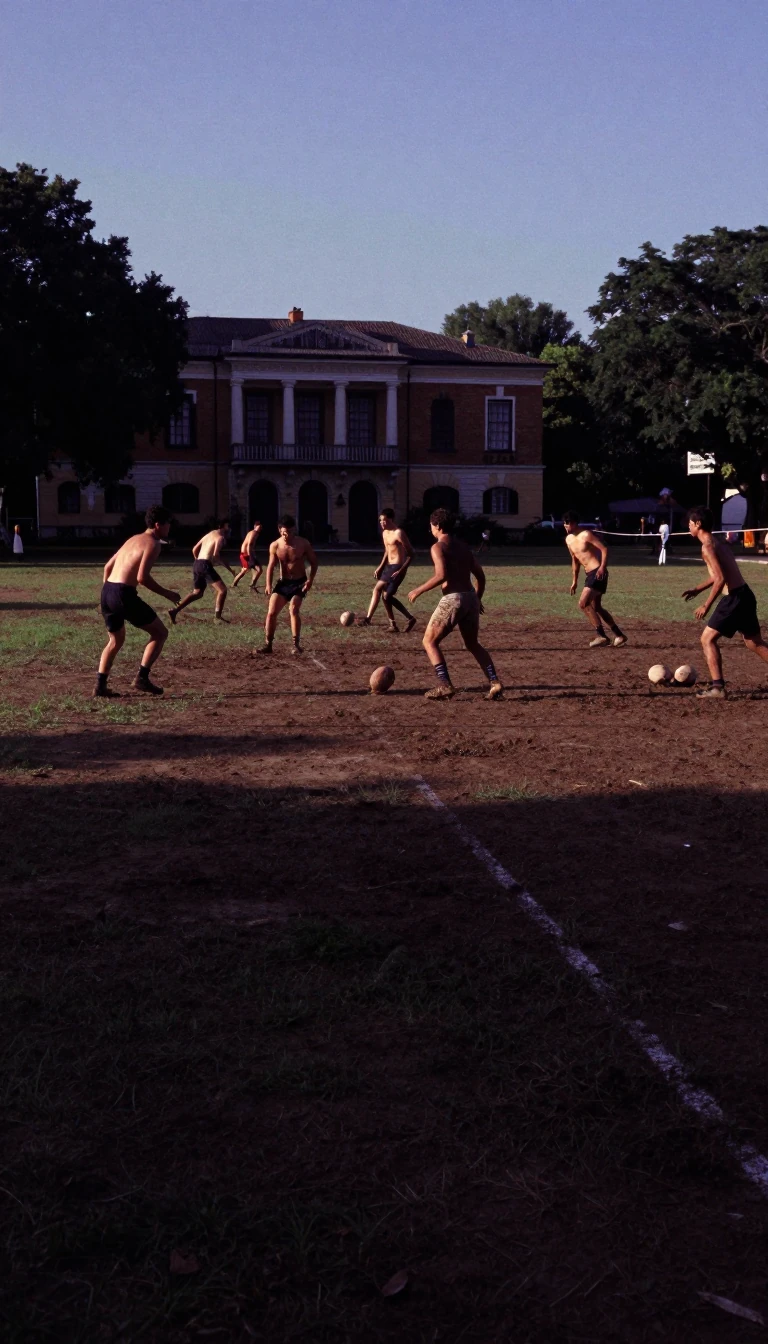
In short: For Turkmenistan, football is more than a sport; it is a primary instrument of regional rivalry. Matches against neighbors like Uzbekistan and Tajikistan are charged with geopolitical weight, turning the pitch into a stage where national identity and regional influence are contested in front of passionate fans.
Since gaining independence, Turkmenistan has established a distinct footballing identity within the Asian Football Confederation (AFC). The team's journey began with matches against Kazakhstan and Uzbekistan in 1992. A significant milestone occurred in December 2003, when the team reached the FIFA rankings' top 100 for the first time, peaking at 99th place following successes in the 2004 AFC Asian Cup and 2006 World Cup qualifiers. The national team first played a match against Kazakhstan on June 1, 1992. They also faced Uzbekistan on June 28 of that same year. In 2003, the squad achieved a massive 11–0 victory over Afghanistan in Ashgabat.
The team's history is marked by dramatic swings in performance and leadership. They reached the final of the 2010 AFC Challenge Cup, losing to North Korea on penalties, and again reached the final in 2012, also falling to North Korea. In 2013, they secured a second-ever qualification for the AFC Asian Cup by finishing second behind Bahrain. However, the 2019 tournament proved difficult, where they suffered a heavy 0–4 defeat to Uzbekistan—a nation cited as their most important rival. The team also secured a 3–0 win over Nepal in March 2012. They were awarded a default 3–0 victory against Brunei in 2014 after the opponent withdrew. In 2015, they managed a 1–1 draw against Iran in Dashoguz.
The infrastructure of Turkmen football has shifted over time. While the Kopetdag Stadium in Ashgabat (opened in 1997 and reconstructed in 2015) is the primary home ground, the team has historically utilized the larger Ashgabat Olympic Stadium, which held up to 45,000 spectators. The sport remains a vital cultural export, with the Football Federation of Turkmenistan recently looking toward international expertise, notably hiring Croatian coach Ante Miše in 2019 to develop the nation's overall footballing landscape. The team also played matches in cities like Balkanabat and Kathmandu. The Kopetdag Stadium currently has a capacity of 26,503 spectators. The federation also hired Sandro Tomić to assist with training.
Opens the Intellect+ feed with this card first. Swipe up for the next one.
Sources
- Summary by Intellect · source: Turkmenistan national football team
- Also: Wikidata — Turkmenistan men's national football team · CC0
- Also: Wikidata — Turkmenistan national football team results · CC0
To cite this card, link to https://intellectplus.co.uk/app/sport-turkmenistan-national-football-team.
How we source, check and correct cards: Editorial standards.
General information, not professional advice. Spotted an error? Flag the card or see corrections and complaints.
Intellect Plus is a visual educational discovery platform for exploring fascinating facts and ideas. Brain Food, Not Brain Rot. What is Intellect Plus?
Related
More in Football · More in Sport & Games · Latest · A–Z · All topics
