The Soviet submarine that shocked Western intelligence and redefined underwater stealth technology.
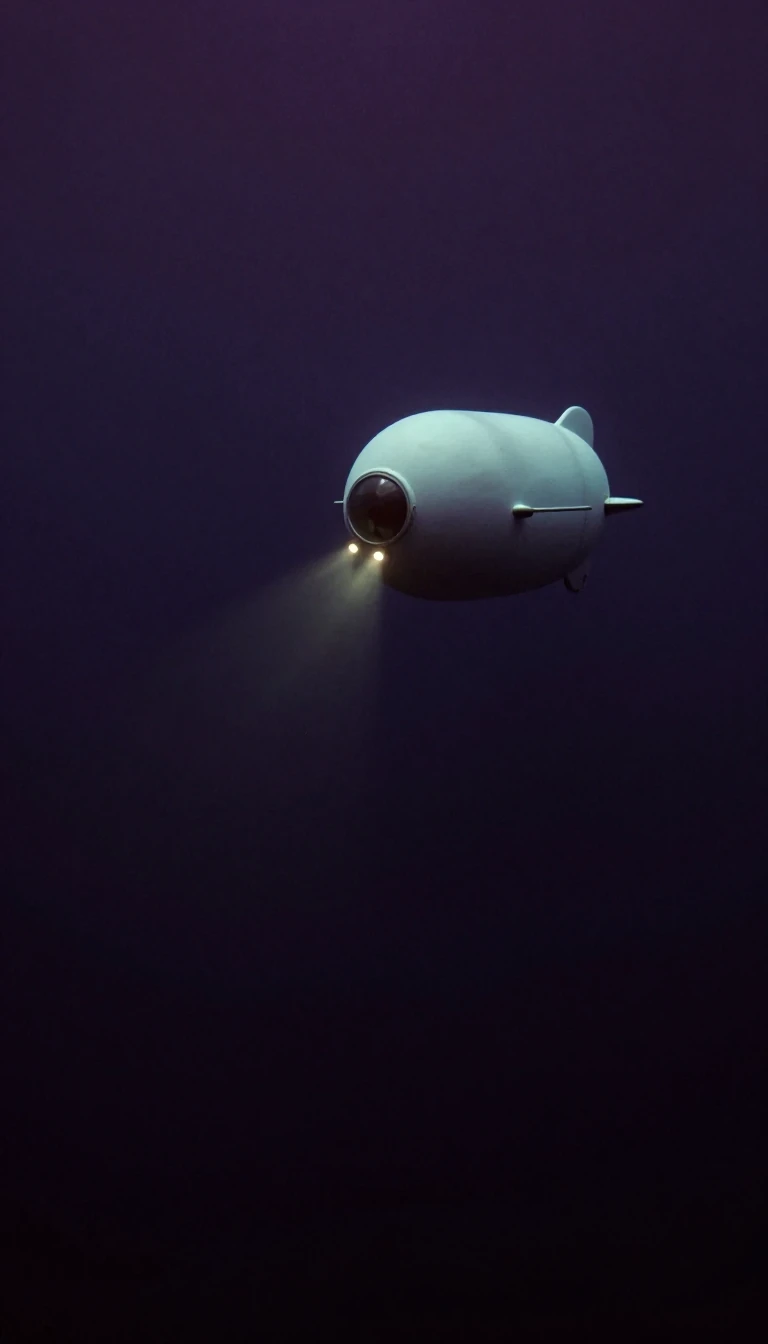
In short: When the first Akula-class submarine launched in 1985, it caught Western analysts completely off guard, arriving a decade earlier than intelligence had predicted. This nuclear-powered predator featured a double-hull design and advanced quieting measures that forced the U.S. Navy to rethink its long-standing acoustic advantage in the deep.
The Akula class, known in Russia as Project 971 Shchuka-B, represents a series of fourth-generation nuclear-powered attack submarines. First deployed in 1986, the class evolved through four distinct flights, including the original Akula I, Improved Akula I, Akula II, and the advanced Akula III. These vessels were engineered with a double-hull system—an inner pressure hull protected by an outer light hull—providing superior reserve buoyancy compared to Western counterparts. Their signature look includes a distinctive bulb on the rudder housing a towed sonar array and hydrodynamic sensors known as SOKS, which detect subtle changes in water salinity and temperature.
A major turning point for the class involved the Toshiba–Kongsberg scandal in the early 1980s. The illegal sale of sophisticated nine-axis milling equipment and computer controls from Japan and Norway allowed Soviet engineers to produce significantly quieter, more accurate propellers. This technological leap caused immense concern in the West, where acoustic superiority had been a cornerstone of U.S. naval dominance. By the time the Akula II K-157 Vepr was commissioned, it was reportedly quieter than the improved Los Angeles-class submarines then in service with the U.S. Navy.
The operational history of the Akula is marked by both strategic projection and tragic accidents. In 2009 and 2012, reports of Akula-class submarines operating undetected off the U.S. East Coast and in the Gulf of Mexico sparked significant political and military controversy. Meanwhile, the class has played a role in international defense diplomacy, most notably through India’s lease of the K-152 Nerpa, renamed INS Chakra. However, the vessel’s service was marred by a 2008 accident during sea trials where a fire-extinguishing system malfunction killed 20 people. Despite these challenges, the Akula remains a potent symbol of Soviet and Russian naval engineering, with ongoing efforts to modernize the fleet and maintain its relevance in modern maritime warfare.
Opens the Intellect+ feed with this card first. Swipe up for the next one.
Sources
- Summary by Intellect · source: Akula-class submarine
- Also: www.britannica.com — Akula | Soviet submarine class | Britannica
To cite this card, link to https://intellectplus.co.uk/app/technology-akula-class-submarine.
How we source, check and correct cards: Editorial standards.
General information, not professional advice. Spotted an error? Flag the card or see corrections and complaints.
Intellect Plus is a visual educational discovery platform for exploring fascinating facts and ideas. Brain Food, Not Brain Rot. What is Intellect Plus?
Related
More in Military technology · More in Technology · Latest · A–Z · All topics
