Is art a bourgeois invention that we should abandon to reclaim our lives?
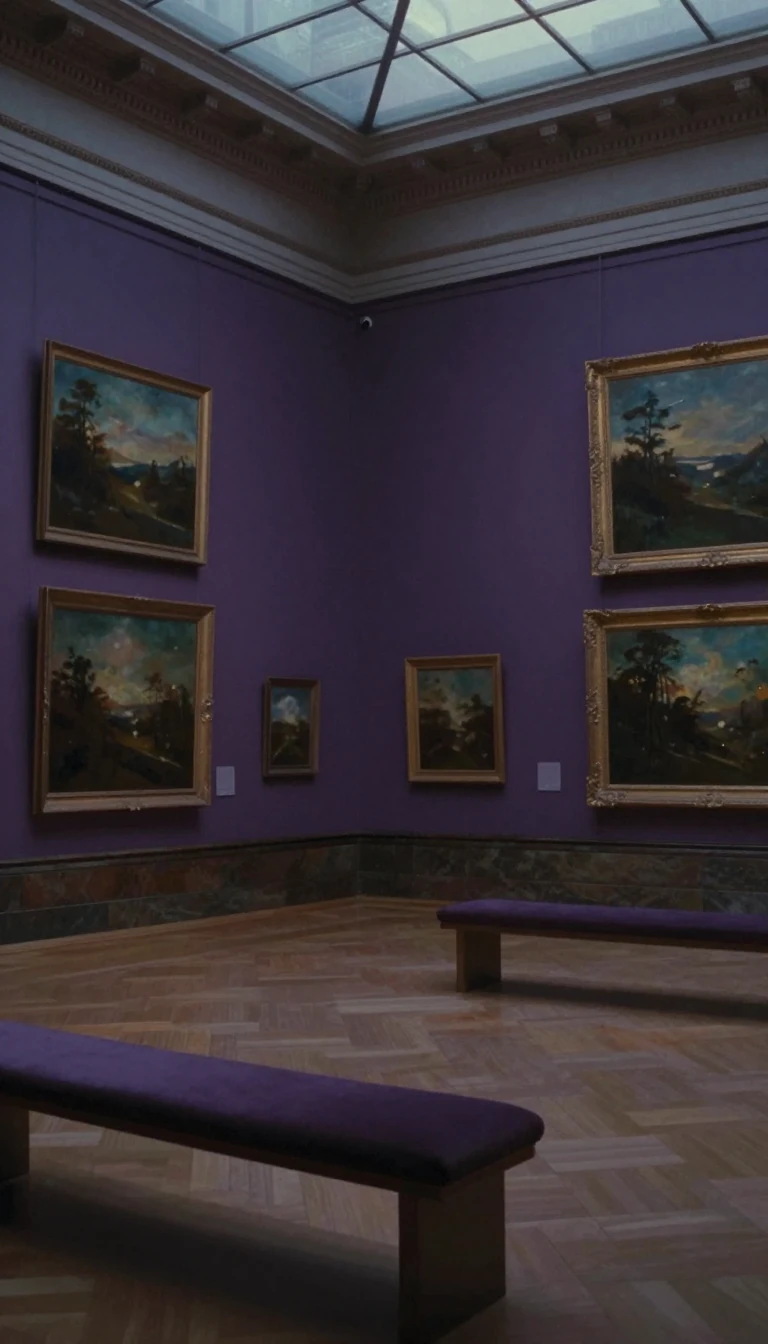
In short: Anti-art is not a single movement but a persistent, paradoxical rebellion from within the art world itself. Since the early 20th century, artists have used readymades, destruction, and performance to challenge the idea that art is a separate, sacred realm. They ask: what if art is just a social construct?
The term anti-art is widely attributed to Marcel Duchamp around 1914, when he began presenting found objects as art. Rather than a distinct movement, it functions as a critical vantage point, questioning the institutions and traditions that define what art is. While some anti-artists aim to expand the properties of art, others seek to abolish it entirely, viewing the modern system of art as a European invention barely two hundred years old. Scholars like Larry Shiner and Roger Taylor argue that art is a social construction tied to bourgeois ideology and capitalism, rather than a universal human necessity.
The Dada movement, beginning in Switzerland during World War I, is often cited as the first to formalize this opposition, using satire and offense to reject cultural conformity. This spirit evolved through various groups, including the Russian Constructivists, who in 1919 sought to replace art with practices useful to everyday life, and the Situationist International, which reached its peak during the 1968 protests in France. These movements often utilized industrial processes, anonymity, and even the destruction of their own works to undermine the cult of individual creativity and the commercial art market.
Anti-art strategies are diverse, ranging from monochrome paintings and silence as music to the total renouncement of art-making in favor of revolutionary activism. In the 1960s, figures like George Maciunas of Fluxus advocated for a 'non-art reality' where anyone could participate, while Henry Flynt campaigned to replace avant-garde art with pure recreation. Even today, the tension remains: while the art world has largely absorbed these radical gestures, groups like the Stuckists continue to reject them, labeling themselves 'anti-anti-art' in a cycle of critique that Theodor W. Adorno noted is inherently respectful of art's truth claims.
Opens the Intellect+ feed with this card first. Swipe up for the next one.
Sources
- Summary by Intellect · source: Anti-art
To cite this card, link to https://intellectplus.co.uk/app/technology-anti-art.
How we source, check and correct cards: Editorial standards.
General information, not professional advice. Spotted an error? Flag the card or see corrections and complaints.
Intellect Plus is a visual educational discovery platform for exploring fascinating facts and ideas. Brain Food, Not Brain Rot. What is Intellect Plus?
Related
More in Philosophy · More in Ideas & Philosophy · Latest · A–Z · All topics
