Atomic batteries offer decades of power without ever needing a recharge or maintenance
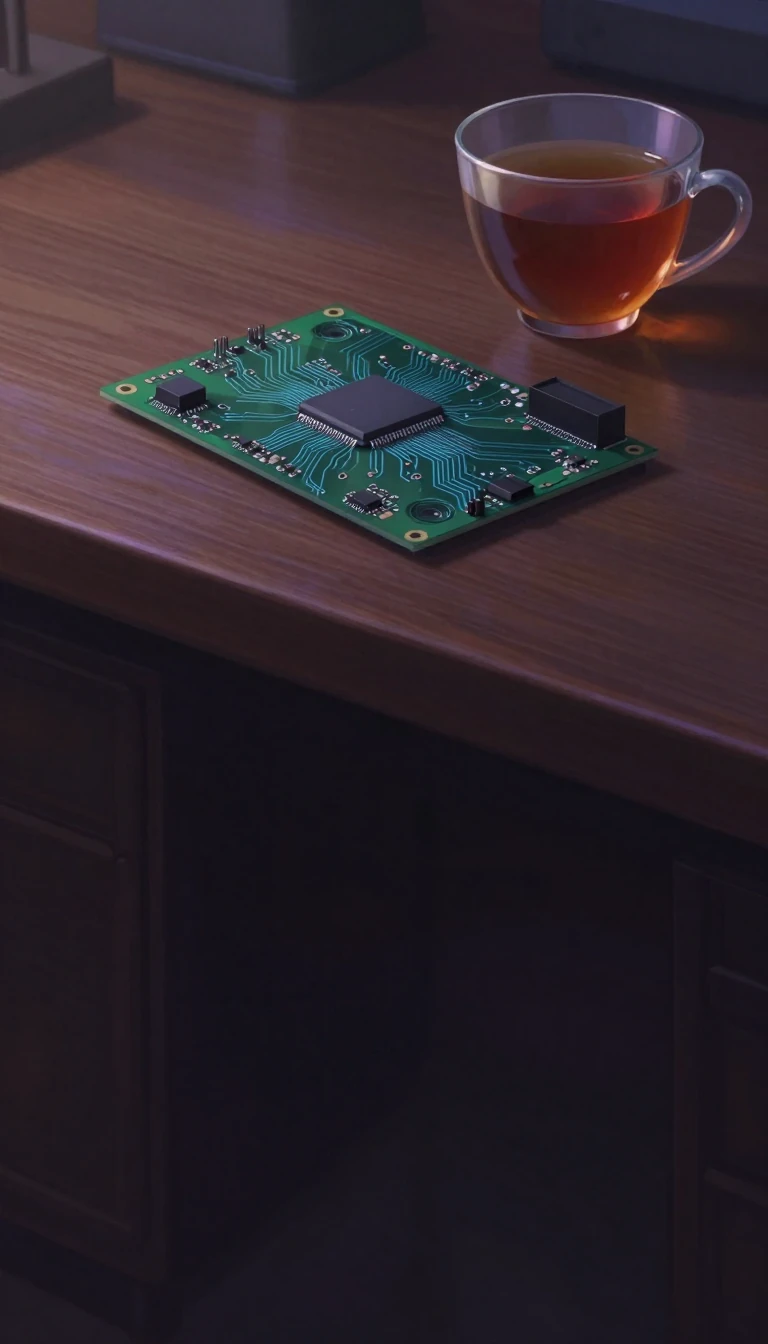
In short: Unlike chemical batteries, atomic batteries generate electricity through the decay of radioactive isotopes rather than electrochemical reactions. While they are costly and currently limited to specialized fields like space exploration and medical implants, their extreme longevity and high energy density promise a future of maintenance-free, long-lasting power for tiny devices.
Atomic batteries, also known as nuclear or radioisotope batteries, convert energy from radioactive decay into electricity. Unlike nuclear reactors, they do not rely on chain reactions. Research began in 1913 when Henry Moseley demonstrated current from charged-particle radiation. By the 1950s, RCA developed prototypes for hearing aids, and in 1961, NASA utilized radioisotope thermoelectric generators (RTGs) for space missions. These devices are prized for being silent, reliable, and independent of position, though they are generally restricted to defense and space projects due to high costs and low efficiency.
Conversion methods fall into two categories: thermal and non-thermal. Thermal converters, such as RTGs, use thermocouples to turn heat from decay into electricity via the Seebeck effect. Non-thermal converters, including betavoltaic and alphavoltaic cells, extract energy directly from radiation before it degrades into heat. Betavoltaics, which use semiconductor junctions to capture beta particles, are particularly suited for low-power applications like pacemakers. In 1970, the first plutonium-powered pacemaker was implanted; these units were designed to last beyond the 88-year half-life of their fuel, far outperforming standard lithium batteries that require surgical replacement every decade.
Recent innovations are pushing the boundaries of miniaturization. In 2024, the startup Betavolt claimed a coin-sized device using nickel-63 that provides 100 microwatts of power for 50 years. Meanwhile, researchers at the University of Wisconsin, Madison, have explored micro-batteries for microelectromechanical systems (MEMS) using oscillating cantilevers. While challenges like material costs, shielding requirements, and regulatory hurdles remain, the ability to power nanodevices and remote sensors for decades without intervention makes atomic batteries a compelling frontier for long-term, autonomous energy solutions.
Opens the Intellect+ feed with this card first. Swipe up for the next one.
Sources
- Summary by Intellect · source: Atomic battery
To cite this card, link to https://intellectplus.co.uk/app/technology-atomic-battery.
How we source, check and correct cards: Editorial standards.
General information, not professional advice. Spotted an error? Flag the card or see corrections and complaints.
Intellect Plus is a visual educational discovery platform for exploring fascinating facts and ideas. Brain Food, Not Brain Rot. What is Intellect Plus?
Related
More in Energy · More in Technology · Latest · A–Z · All topics
