From backbreaking labor to industrial efficiency: the evolution of the modern farm baler
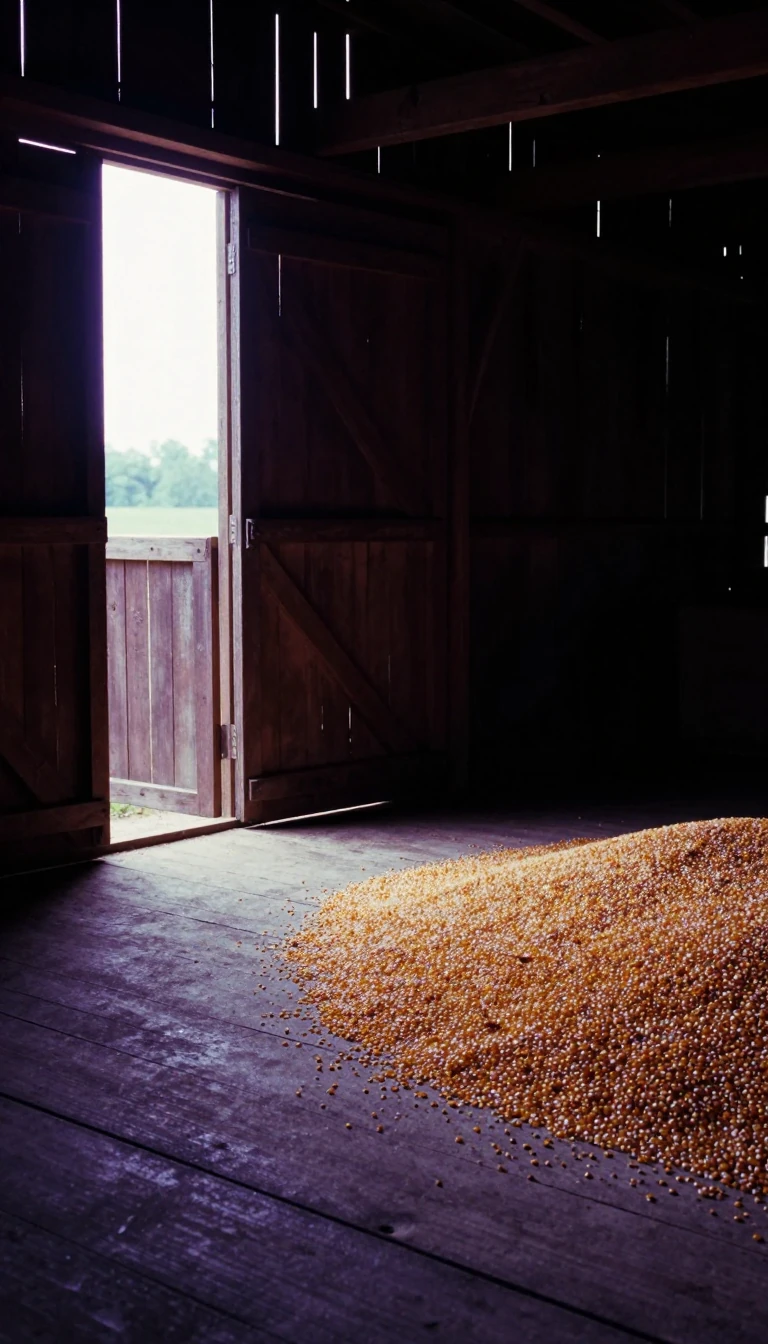
In short: Before the 19th century, farmers relied on manual labor to rake hay into heaps, risking rot or spontaneous combustion. Today, sophisticated balers compress crops into dense, weather-resistant packages. This transition from hand-forking to automated knotting and high-torque machinery revolutionized how we store, transport, and preserve feed for global livestock.
The journey of the baler began with the mechanization of harvesting in the 1860s. By 1872, Charles Withington invented a reaper that utilized a knotter to bind hay, a technology commercialized by Cyrus McCormick in 1874. The modern era of automatic baling truly took shape in 1936, when Innes developed a twine-tying baler using John Deere components, followed by Edwin Nolt’s 1938 patent for a more reliable version. These innovations replaced the grueling manual process of stacking hay, which had been the standard for centuries.
The round baler, now the most common type in industrialized nations, has a unique history. While early versions appeared in the late 19th century, the first production model was the Allis-Chalmers Roto-Baler, introduced in 1947. However, the design we recognize today—using rubberized belts to create cylindrical shapes—was popularized by Gary Vermeer in 1972. A significant leap in efficiency occurred in the 1960s at Iowa State University, where professor Wesley Buchele and student Virgil Haverdink developed a large round baler, later manufactured by The Hawkbilt Company in 1970. This innovation allowed farmers to move massive quantities of hay using tractors, effectively ending the era of manual bale handling.
Beyond round bales, the 1978 introduction of the large square baler by Hesston transformed commercial agriculture. These machines use heavy plungers, exerting up to 750 kilonewtons of force, to create dense, rectangular bales that are ideal for stacking and export. Meanwhile, small-scale operations continue to use traditional small square balers, which date back to Arthur S. Young’s 1938 Automaton Baler. Whether producing silage wrapped in plastic or dry hay for stables, modern balers rely on complex engineering, including CV joints and automated knotting systems, to maintain the nutritional value of crops while ensuring the safety and efficiency of modern farming operations.
Opens the Intellect+ feed with this card first. Swipe up for the next one.
Sources
- Summary by Intellect · source: Baler
To cite this card, link to https://intellectplus.co.uk/app/technology-baler.
How we source, check and correct cards: Editorial standards.
General information, not professional advice. Spotted an error? Flag the card or see corrections and complaints.
Intellect Plus is a visual educational discovery platform for exploring fascinating facts and ideas. Brain Food, Not Brain Rot. What is Intellect Plus?
Related
More in Machinery and tools · More in Technology · Latest · A–Z · All topics
