The microscopic fungus that built civilization and now powers modern genetic research
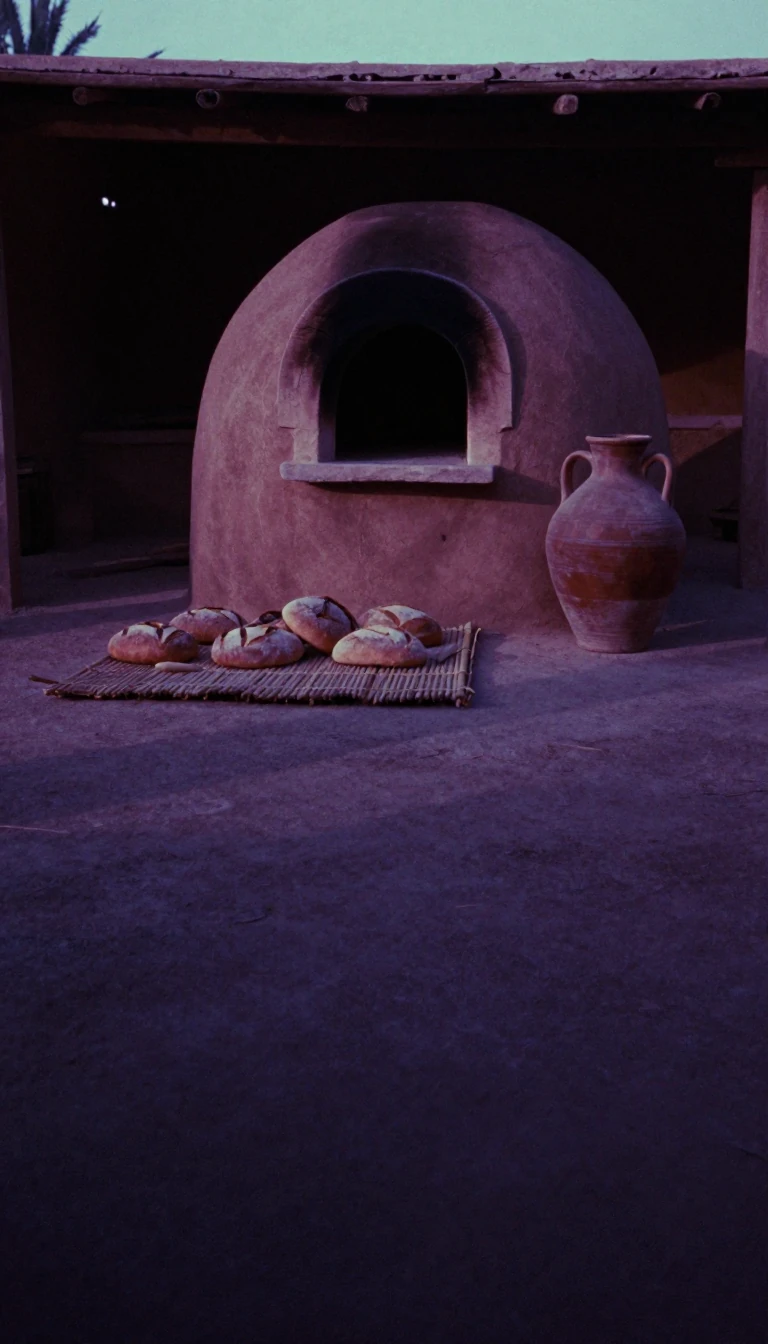
In short: Baker's yeast is more than a kitchen staple. This single-celled organism, Saccharomyces cerevisiae, has been domesticated for millennia to leaven bread and brew beer. Beyond the bakery, it serves as a critical model for biological science, having become the first eukaryote to have its complete genetic code mapped in 1996.
The history of leavened bread likely began in Ancient Egypt, where bakers accidentally discovered that natural contaminants in flour could ferment dough, creating a lighter, tastier product than traditional flatbreads. For centuries, these cultures were maintained by transferring bits of old dough between batches. It was not until the 19th century, following the scientific breakthroughs of Louis Pasteur, that bakers began isolating and propagating pure yeast strains. This shift transformed yeast production from a local byproduct of beer brewing into a massive industrial enterprise.
Modern commercial yeast production is a precise, high-tech process. Manufacturers cultivate yeast in large-scale fermentors, carefully controlling oxygen and sugar levels to maximize cell growth while suppressing ethanol production by up to 95%. By the early 20th century, compressed yeast cakes became the standard, eventually giving way to more shelf-stable forms like active dry and instant yeast. Today, the industry is highly concentrated, with just five companies controlling roughly 80% of the global dry yeast market as of 2006.
Beyond the kitchen, S. cerevisiae is a cornerstone of laboratory science. Because it is easy to culture and shares fundamental cellular processes with more complex organisms, it has been instrumental in mapping the cell division cycle. Its utility extends to organic chemistry, where its enzymes facilitate complex biotransformations, and even to synthetic biology, where researchers have engineered specific strains to produce chemical precursors for substances like lysergic acid. Whether in a loaf of bread or a petri dish, this humble fungus remains one of humanity's most versatile biological tools.
Opens the Intellect+ feed with this card first. Swipe up for the next one.
Sources
- Summary by Intellect · source: Baker's yeast
- Also: www.britannica.com — Baker’s yeast | baking, Saccharomyces cerevisiae strain | Britannica
To cite this card, link to https://intellectplus.co.uk/app/technology-baker-s-yeast.
How we source, check and correct cards: Editorial standards.
General information, not professional advice. Spotted an error? Flag the card or see corrections and complaints.
Intellect Plus is a visual educational discovery platform for exploring fascinating facts and ideas. Brain Food, Not Brain Rot. What is Intellect Plus?
Related
More in Machinery and tools · More in Technology · Latest · A–Z · All topics
