How a wartime tomato shortage birthed the Philippines' favorite sweet and savory banana condiment
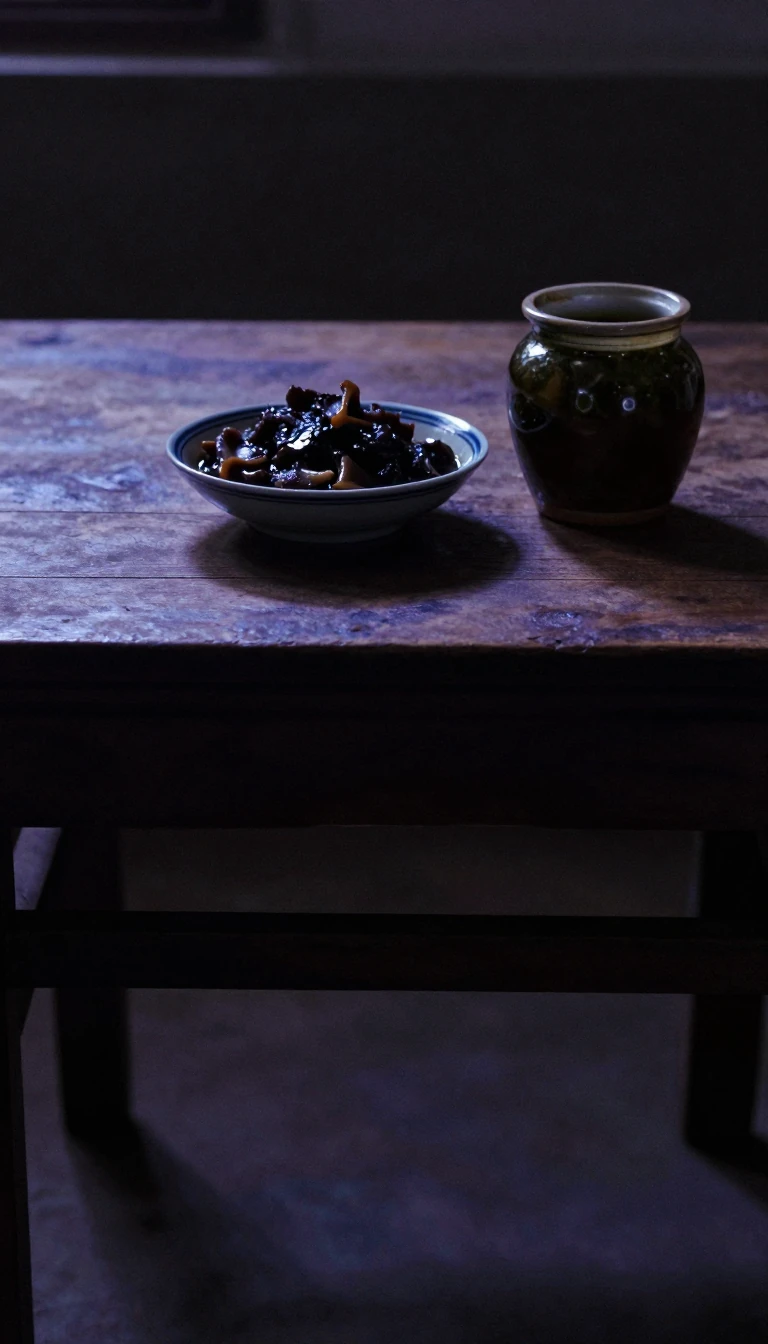
In short: During the chaos of World War II, the Philippines faced a severe scarcity of tomatoes, the essential ingredient for traditional ketchup. In a stroke of culinary ingenuity, food technologist Maria Y. Orosa transformed the abundant local banana harvest into a vibrant, tangy alternative that permanently changed the nation's flavor profile.
The invention of banana ketchup is a direct result of wartime necessity. With global supply chains disrupted during World War II, the Philippines found itself with a surplus of bananas but a critical lack of tomatoes. Maria Y. Orosa, a pioneering Filipina food technologist, recognized the potential to repurpose this fruit. By blending mashed bananas with vinegar, sugar, and a specific blend of spices, she created a condiment that mimicked the consistency and versatility of its tomato-based predecessor. While the natural hue of this mixture is a brownish-yellow, it is frequently dyed a bright red to visually align with conventional ketchup expectations.
The commercialization of this invention followed shortly after its inception. In 1942, Magdalo V. Francisco Sr. began mass-producing the sauce under the brand name Mafran, a clever portmanteau derived from his own name. This transition from a household experiment to a commercial staple solidified the product's place in the national diet. Today, the sauce is an essential component of Filipino cuisine, appearing on tables across the country as a standard accompaniment to a wide array of dishes.
Its culinary utility is remarkably broad, far exceeding the typical use cases for tomato ketchup. In Filipino households, it is a primary condiment for everything from breakfast omelettes and hot dogs to charcoal-grilled pork barbecue and fried chicken. It is also a defining ingredient in the unique local variation of spaghetti. The enduring popularity of this invention highlights how resourcefulness during periods of scarcity can lead to lasting cultural shifts. What began as a stopgap measure to address a specific supply issue has evolved into a permanent, beloved fixture of the Philippine culinary landscape, proving that innovation often thrives under the most challenging conditions.
Opens the Intellect+ feed with this card first. Swipe up for the next one.
Sources
- Summary by Intellect · source: Banana ketchup
To cite this card, link to https://intellectplus.co.uk/app/technology-banana-ketchup.
How we source, check and correct cards: Editorial standards.
General information, not professional advice. Spotted an error? Flag the card or see corrections and complaints.
Intellect Plus is a visual educational discovery platform for exploring fascinating facts and ideas. Brain Food, Not Brain Rot. What is Intellect Plus?
Related
More in Inventions · More in Technology · Latest · A–Z · All topics
