Barnard's Loop: The Ghostly Supernova Remnant Hidden in the Constellation of Orion
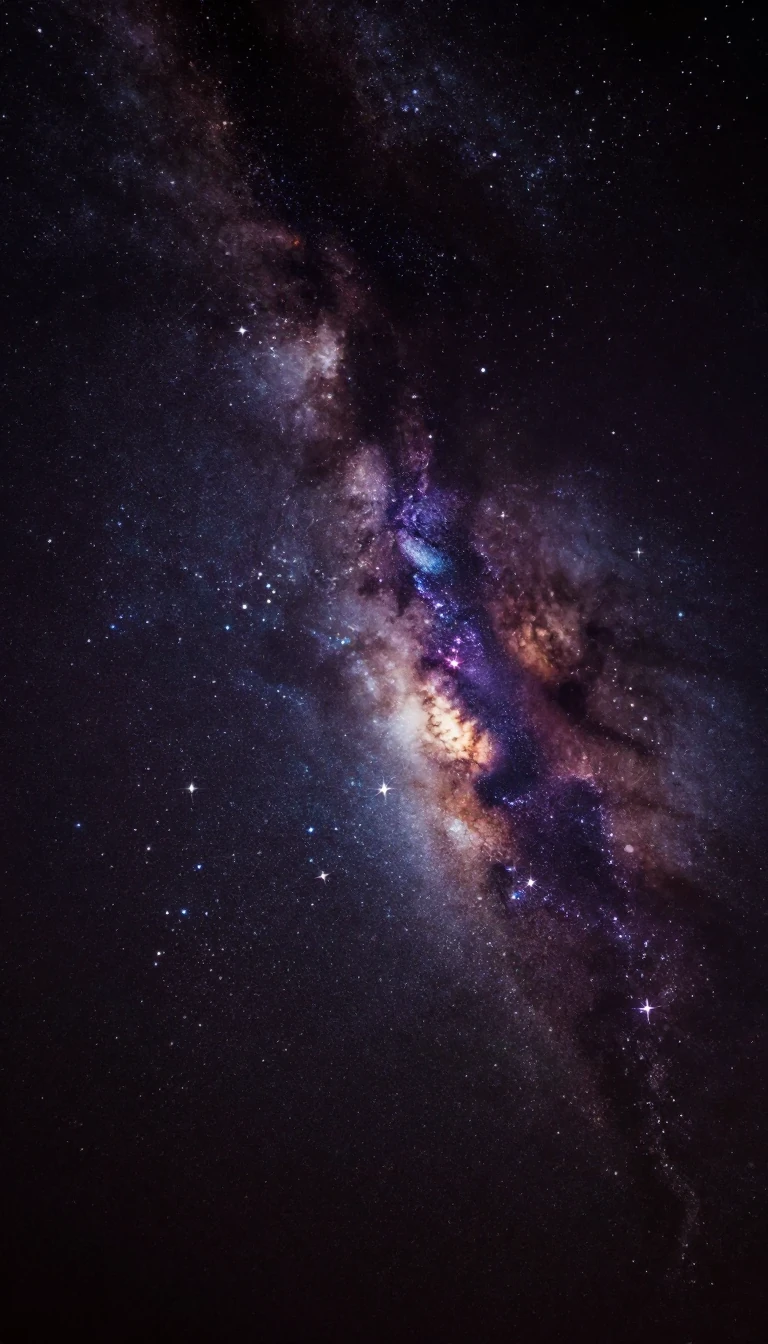
In short: Spanning ten degrees across the night sky, Barnard's Loop is a massive emission nebula that remains invisible to most casual observers. While it is technically part of the Orion molecular cloud complex, this faint arc tells a violent story of cosmic destruction that occurred millions of years before humanity ever looked up.
Designated as Sh 2-276, Barnard's Loop is an expansive emission nebula located within the constellation of Orion. It forms a distinct, large arc centered roughly around the iconic Orion Nebula and the dark Horsehead Nebula. While the loop is part of the broader Orion-Eridanus Superbubble, astronomers believe the intense radiation from stars within the Orion Nebula is responsible for ionizing the gas, causing it to glow. Despite its immense scale, the nebula is notoriously difficult to spot; it is best captured through long-exposure photography, though observers under exceptionally dark skies may occasionally discern it with the naked eye.
The structure is estimated to be approximately 440 parsecs, or 1,400 light-years, away from Earth and stretches about 110 parsecs, or 360 light-years, in length. Current scientific consensus suggests that the loop originated from a massive supernova explosion that occurred roughly 2 million years ago. This cataclysmic event likely shattered a multiple star system, ejecting several runaway stars—specifically AE Aurigae, Mu Columbae, and 53 Arietis—at high velocities into space, where they continue to travel today.
Although the nebula was undoubtedly observed by astronomers prior to the late 19th century, it is named after E. E. Barnard. A pioneer in the field of astrophotography, Barnard successfully photographed the structure and published a formal description of his findings in 1894. His work helped bring this faint, elusive feature of the Orion complex to the attention of the wider scientific community. Today, Barnard's Loop serves as a reminder of the violent, transformative processes that shape the architecture of our galaxy, leaving behind vast, glowing remnants that persist for millions of years as silent witnesses to the explosive deaths of ancient, massive stars.
Opens the Intellect+ feed with this card first. Swipe up for the next one.
Sources
- Summary by Intellect · source: Barnard's Loop
To cite this card, link to https://intellectplus.co.uk/app/technology-barnard-s-loop.
How we source, check and correct cards: Editorial standards.
General information, not professional advice. Spotted an error? Flag the card or see corrections and complaints.
Intellect Plus is a visual educational discovery platform for exploring fascinating facts and ideas. Brain Food, Not Brain Rot. What is Intellect Plus?
Related
More in Inventions · More in Technology · Latest · A–Z · All topics
