The Pacific's heaven-gazing banana that stands tall against the common drooping variety
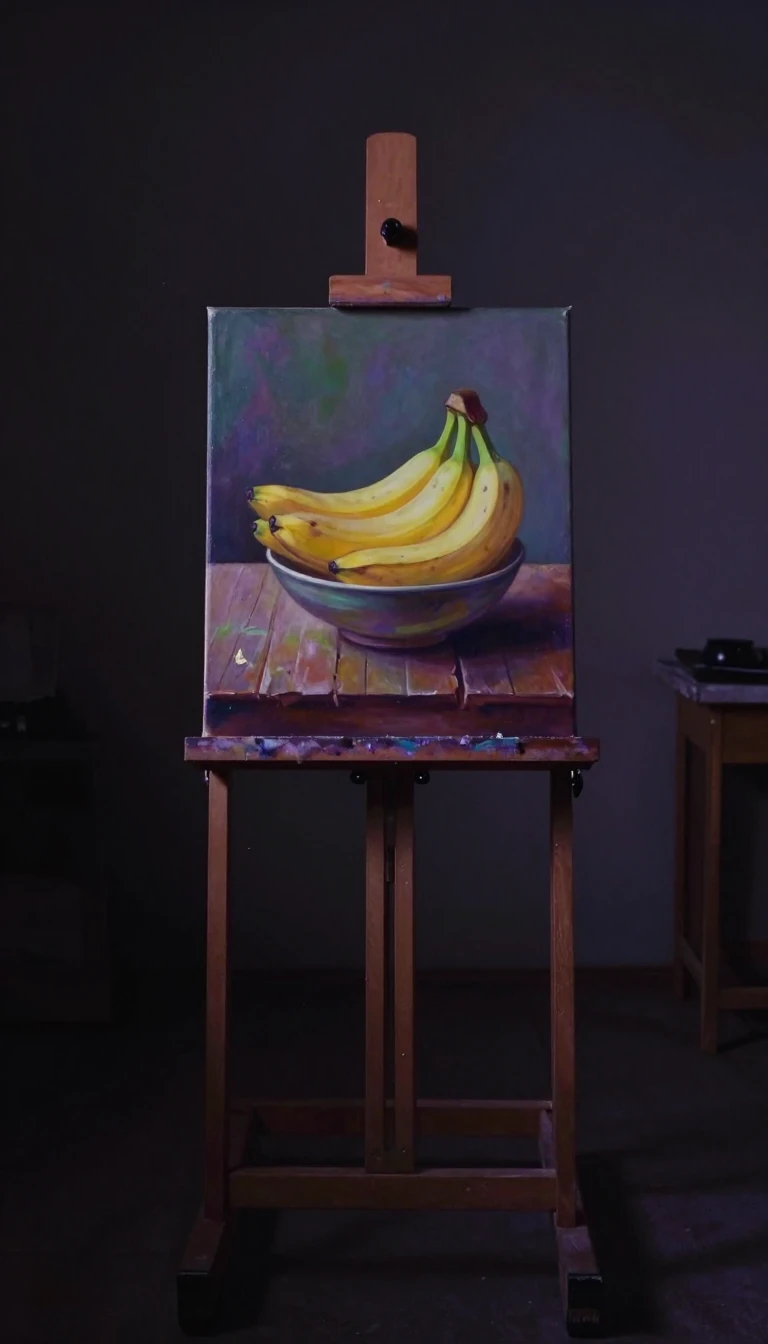
In short: Unlike the familiar drooping bananas in your grocery store, the Fe'i banana grows its fruit in an upright, defiant cluster. These vibrant, orange-fleshed fruits were once a vital Pacific staple, carrying deep cultural significance and high nutritional value, yet they remain largely absent from modern global commercial markets.
Fe'i bananas, botanically classified as Musa troglodytarum, are distinct from the common bananas derived from Musa acuminata and Musa balbisiana. Their most striking feature is their growth habit: while standard bananas droop, the Fe'i flowering stem grows vertically, holding its fruit bunches upright. This unique morphology inspired the name 'Musa uranoscopos,' or 'heaven-looking banana,' coined by the botanist Rumphius in his 1747 work, Herbarium amboinensis. A Samoan legend captures this trait, claiming the mountain-dwelling Fe'i banana won a fight against the lowland banana, causing it to hold its head high in victory ever since.
These plants are not wild but are ancient cultivars, likely originating in the New Guinea region. Pacific Islanders carried them across the ocean during their migrations, with cultivation traced back to 250 BC in the Marquesas and 800 AD in Tahiti. Beyond their use as food, the plants are remarkably versatile: their buoyant pseudostems serve as rafts, their leaves provide roofing or plates, and their distinct magenta-to-purple sap has been used as both dye and ink. Artists like Paul Gauguin famously captured their vibrant, reddish-orange skins in his 1891 paintings, including Le Repas and La Orana Maria.
Nutritionally, Fe'i bananas are rich in beta-carotene, a precursor to vitamin A. Despite this benefit, their popularity has waned due to a shift toward imported foods and a misunderstanding regarding their consumption. Eating them can turn urine yellow—a harmless effect caused by excess riboflavin—which historically led some to fear they were unsafe. Today, they are rarely found in commercial trade, though they remain culturally significant in places like Pohnpei, where specific cultivars like 'Karat' are still valued as traditional weaning foods. Their decline is a loss for both biodiversity and nutrition, as they often contain significantly higher levels of beta-carotene than common banana varieties.
Opens the Intellect+ feed with this card first. Swipe up for the next one.
Sources
- Summary by Intellect · source: Fe'i banana
- Also: Fe'I Banana (Musa troglodytarum)
To cite this card, link to https://intellectplus.co.uk/app/gardening-fe-i-banana.
How we source, check and correct cards: Editorial standards.
General information, not professional advice. Spotted an error? Flag the card or see corrections and complaints.
Intellect Plus is a visual educational discovery platform for exploring fascinating facts and ideas. Brain Food, Not Brain Rot. What is Intellect Plus?
Related
More in Plants · More in Gardening · Latest · A–Z · All topics
